
On 20 January 1942, high-ranking representatives of the Nazi regime gathered at a villa on Lake Wannsee in Berlin for a meeting that would become known in history as the Wannsee Conference. During this meeting, the administrative and organisational details for implementing the so-called “Final Solution to the Jewish Question” – the systematic murder of Europe’s Jews – were discussed and coordinated.
The 2022 film The Conference (Die Wannseekonferenz) depicts the course of this historic meeting, during which Nazi officials discussed deportations, concentration camps, and the mass murder of millions of people in a cold and bureaucratic language. Through the reconstruction of the conversations that took place at the Wannsee villa, the film reveals the mechanisms of Nazi crimes and the terrifying normalisation of hatred, discrimination, and dehumanisation.
The film serves as a powerful reminder of the importance of confronting the past, preserving the memory of Holocaust victims, and recognising the dangers posed by ideologies of hatred.
Film screening courtesy of the Goethe-Institut Croatia.
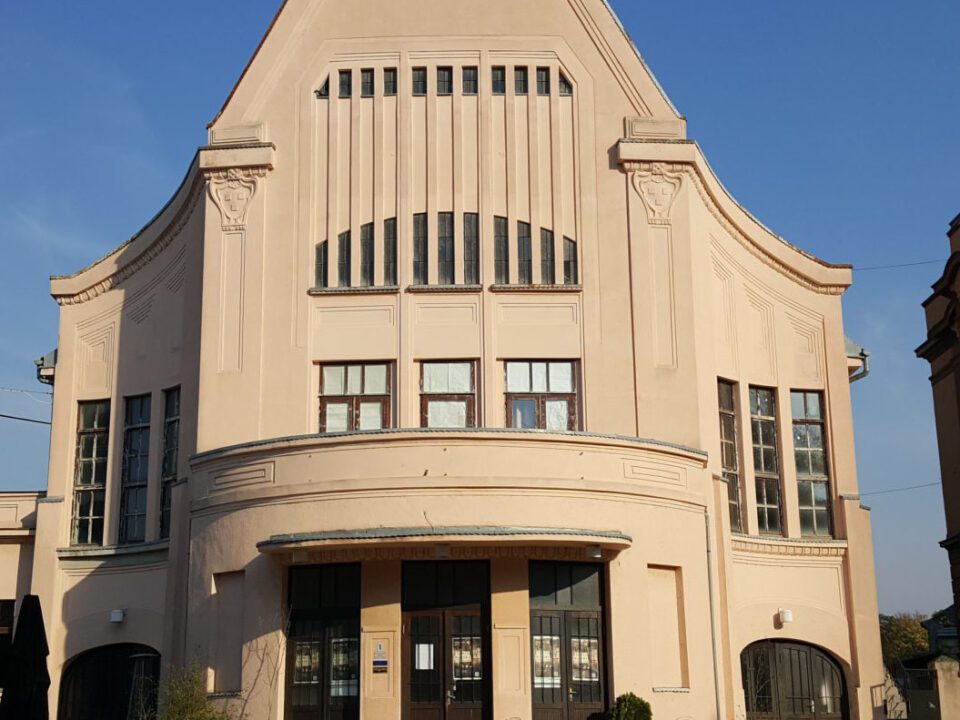
On 20 January 1942, high-ranking representatives of the Nazi regime gathered at a villa on Lake Wannsee in Berlin for a meeting that would become known in history as the Wannsee Conference. During this meeting, the administrative and organisational details for implementing the so-called “Final Solution to the Jewish Question” – the systematic murder of Europe’s Jews – were discussed and coordinated.
The 2022 film The Conference (Die Wannseekonferenz) depicts the course of this historic meeting, during which Nazi officials discussed deportations, concentration camps, and the mass murder of millions of people in a cold and bureaucratic language. Through the reconstruction of the conversations that took place at the Wannsee villa, the film reveals the mechanisms of Nazi crimes and the terrifying normalisation of hatred, discrimination, and dehumanisation.
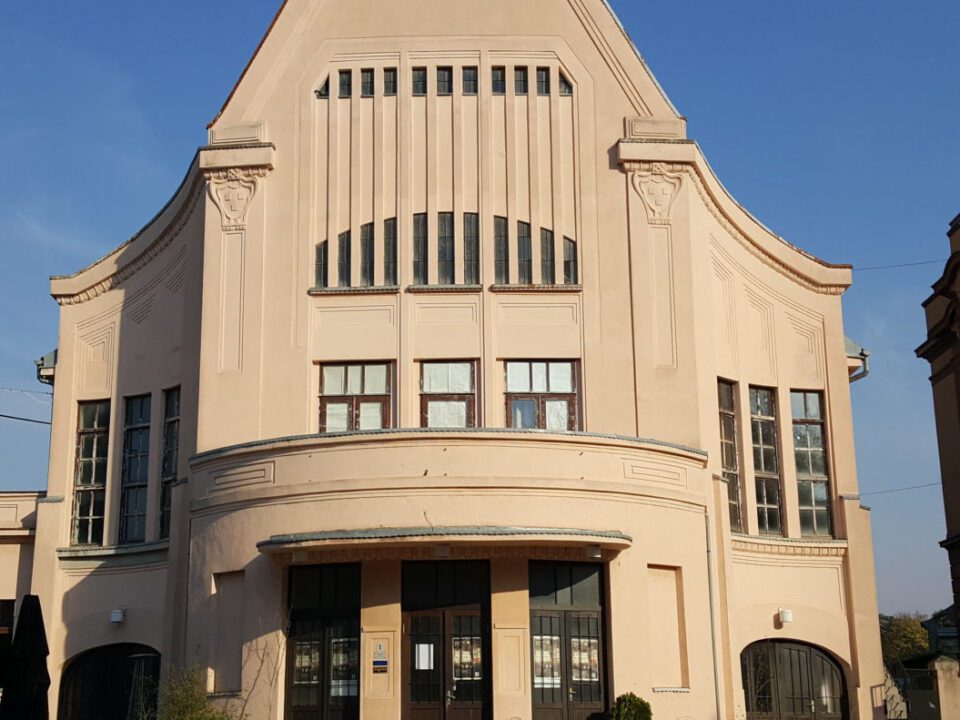
Fever at Dawn (Hajnali láz, 2015) is a touching Hungarian historical drama directed by Péter Gárdos, based on his own novel of the same title and inspired by the true story of his parents.
Set in 1945, shortly after the end of the Second World War, the film follows Miklós, a young Hungarian Jewish Holocaust survivor recovering in Sweden. Gravely ill and facing the prognosis that he has only a few months to live, Miklós refuses to accept his fate. Determined to find hope and a future, he writes letters to 117 young Hungarian women, all Holocaust survivors, hoping to find a life partner among them. One of them is Lili, with whom he begins a correspondence that develops into a love story, restoring their faith in life and the possibility of a future.
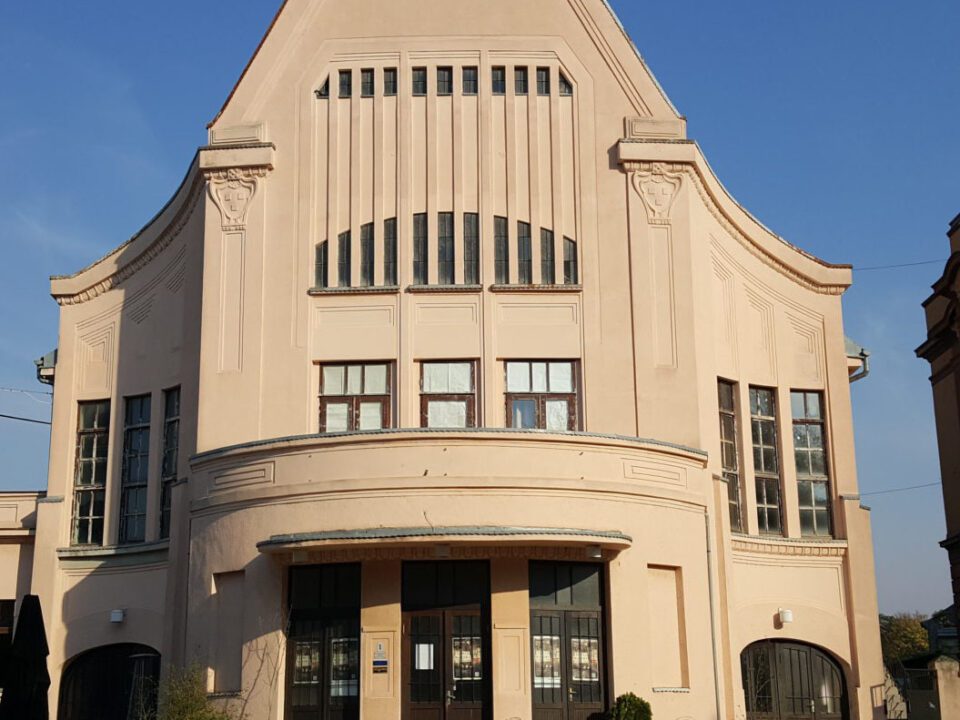
The Secret Floor (Das geheime Stockwerk, 2025) is a family adventure film directed by Norbert Lechner that brings the period before the Second World War closer to young audiences in a compelling and accessible way.
When twelve-year-old Karli discovers a mysterious lift in an old hotel that takes him back to the year 1938, he meets Hannah, a Jewish girl, and a boy named Georg. Together, they set out to solve a mysterious case, while the growing threat of Nazism begins to cast a shadow over their world.
Through an engaging story of friendship, courage, and solidarity, the film encourages viewers to reflect on the importance of standing up for truth and helping others, while introducing young audiences to one of the darkest periods of European history in a sensitive and age-appropriate way.

The lecture Tales of Love Without Darkness explores the history of romantic narratives, from David and Bathsheba, Mr Darcy and Elizabeth, through Disney couples to the many versions of Edward and Bella. It focuses on the contemporary industry of love stories, which, through the mass production of idealised romantic narratives, strips the Prince of his central role and places the White Horse at the forefront – a symbol of longing, entitlement, and female self-realisation.
The lecture therefore raises the question: does the contemporary pursuit of a standardised love without darkness represent an authentic hope, one whose source does not lie in the other person, or is it a form of escapism that only contributes to the darkness within someone’s love? Does such an imagination lead towards the fulfilment of a relationship, or towards a subtle yet real darkness devoid of love?
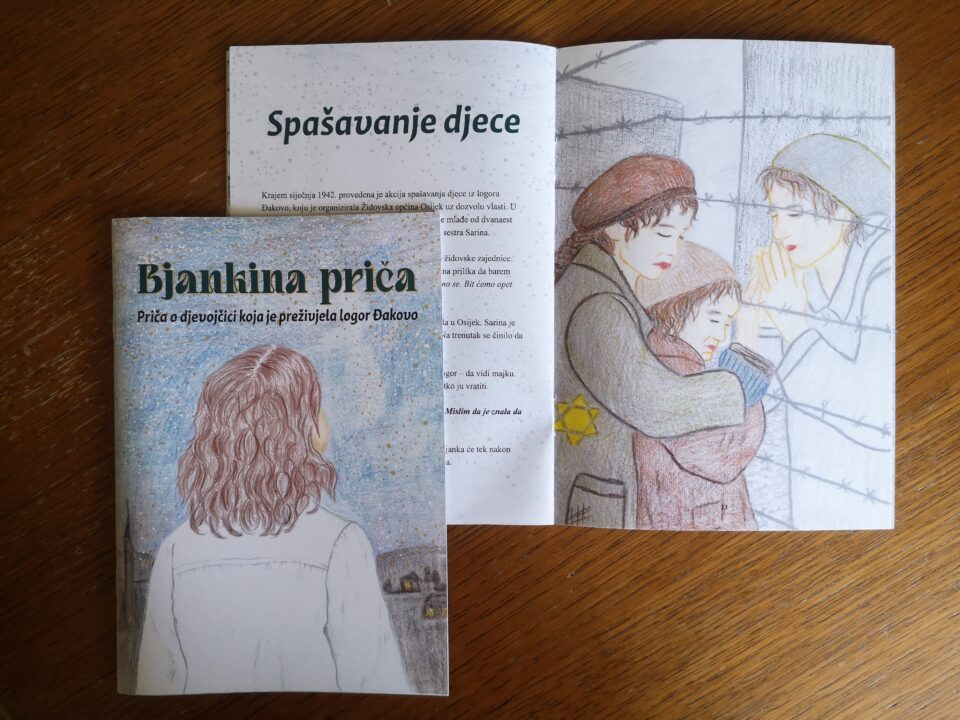
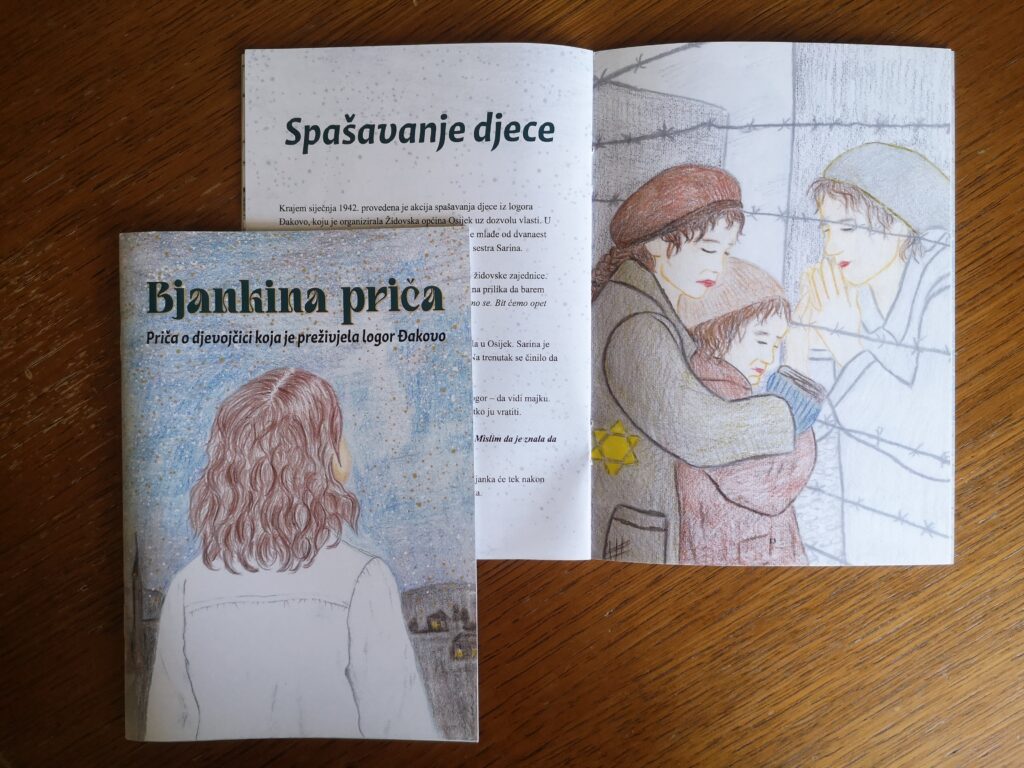
The picture book Bianka’s Story was created with the aim of preserving the memory of Bianka Levi Auslender, a girl from Sarajevo who, during the Second World War, was imprisoned together with her mother, grandmother, and sister in the Đakovo concentration camp. Bianka was the only member of her family to survive the war – her sister was murdered in Auschwitz, while her mother and grandmother were killed and buried in Đakovo under their own names.
Based on Bianka Levi Auslender’s authentic testimony, the picture book presents children and young people with a sensitive and age-appropriate story of a wartime childhood, loss, fear, but also hope, resilience, and the importance of remembrance.
The picture book was created as part of the project Bianka’s Story – A Memory That Teaches Us, through the joint work of students and teachers from Vladimir Nazor Primary School and A.
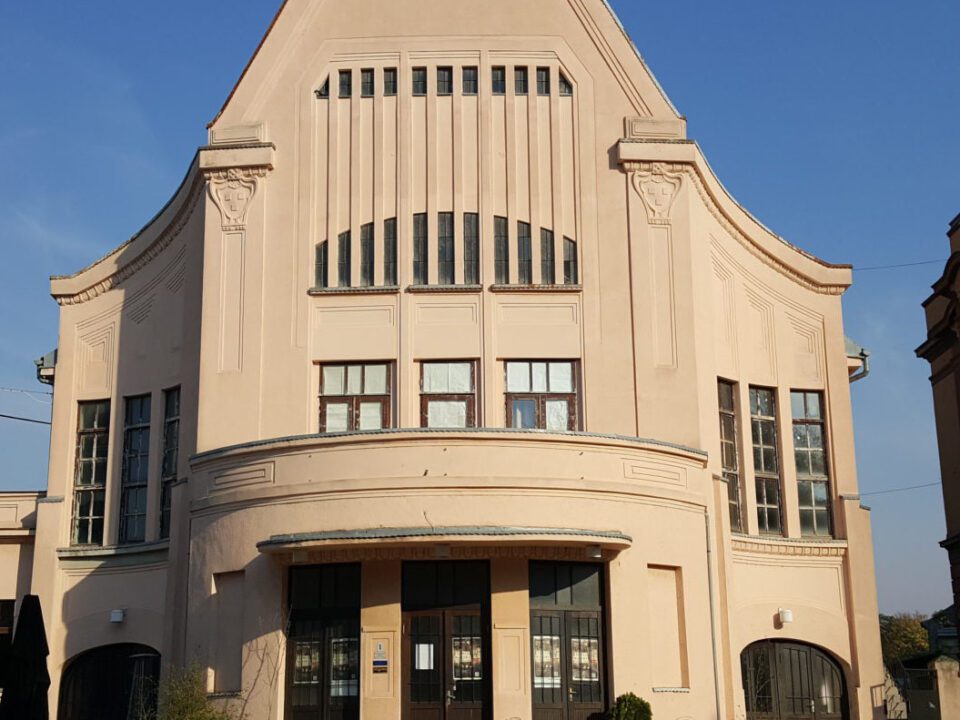
When Hitler Stole Pink Rabbit / Als Hitler das rosa Kaninchen stahl (2019), directed by Caroline Link and based on Judith Kerr's semi-autobiographical novel, is a moving coming-of-age story about family, the loss of security, and growing up in the shadow of the Nazi rise to power.
Set in 1933, the film follows nine-year-old Anna Kemper, who is forced to flee Germany with her family after her father, a prominent Jewish theatre critic, writer, and outspoken opponent of the Nazi regime, becomes a target of persecution. Seeking refuge first in Switzerland and later in France, the family faces uncertainty, the challenges of adapting to new surroundings, and the painful loss of the life they once knew. Through Anna's eyes, the film reveals how sweeping historical events shape the lives of ordinary people, especially children, while exploring themes of family, identity, belonging, exile, and the enduring power of hope in the face of adversity.
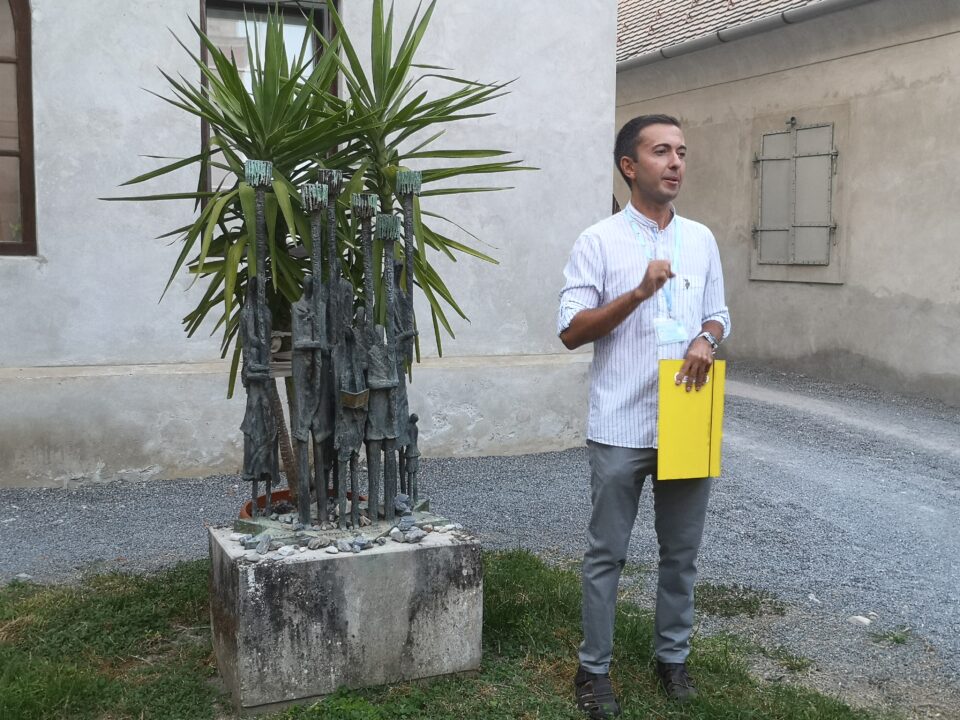
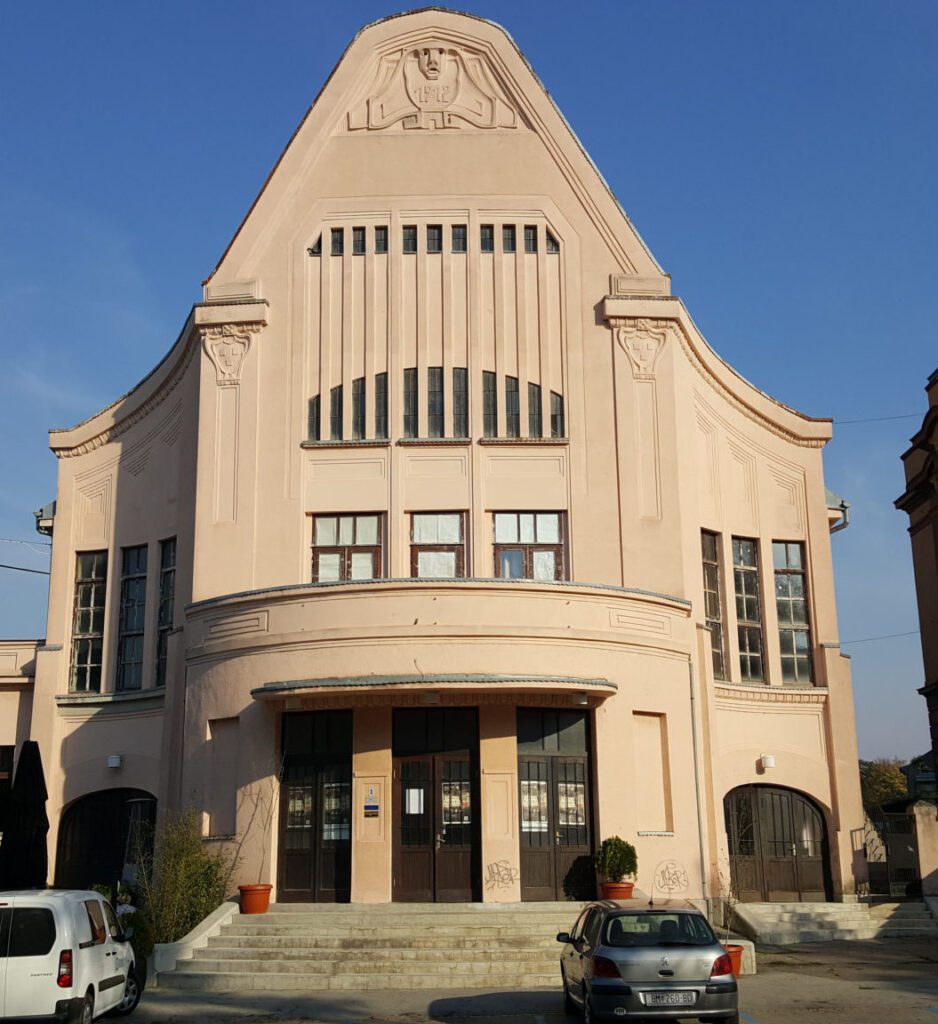
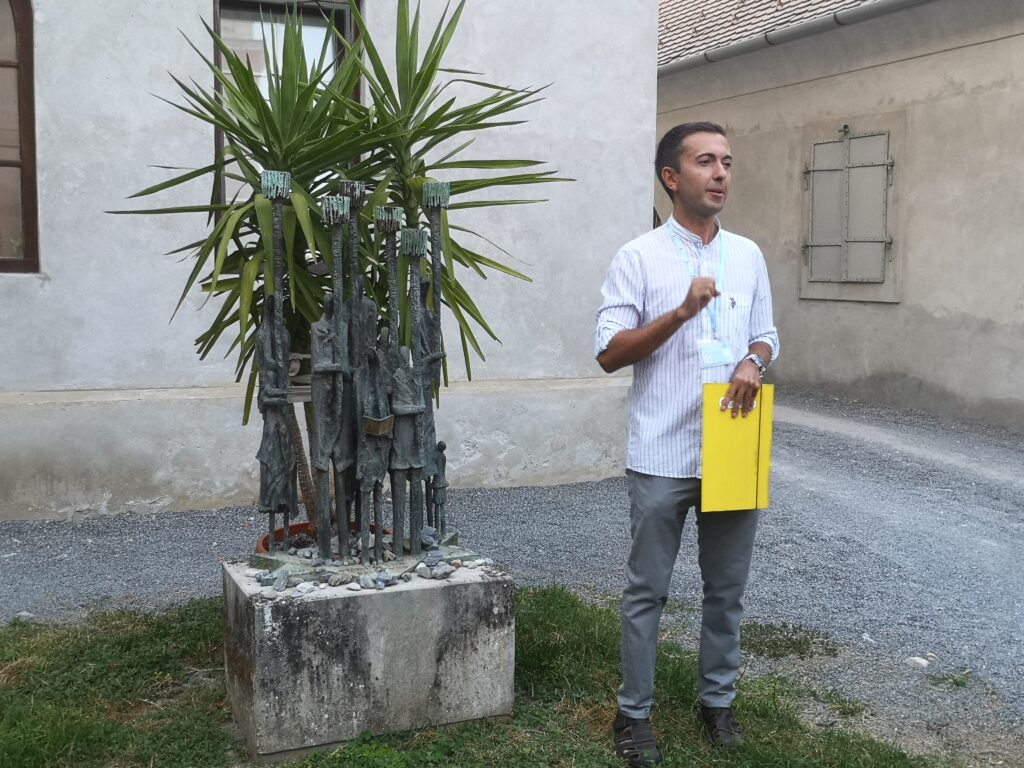
Would you like to explore the traces of Jewish heritage in Osijek? Join us on a guided walking tour from Holy Trinity Square in the Tvrđa to the Jewish Community building in Radićeva Street.
Led by Professor Tomislav Vuković, the tour builds on previous walks through Osijek's Upper and Lower Towns, offering new insights into the history of the city's Jewish community. Along the way, participants will discover what became of the valuable collections once owned by prominent Jewish families, visit the site formerly known as Hitler Square, explore the complex question of whether one could be both Jewish and a member of the Ustaša movement, learn about the writer Roda Roda and why his bust stands in front of the City Library, and become acquainted with the lives and fates of other distinguished Osijek citizens before the devastation of the Holocaust.
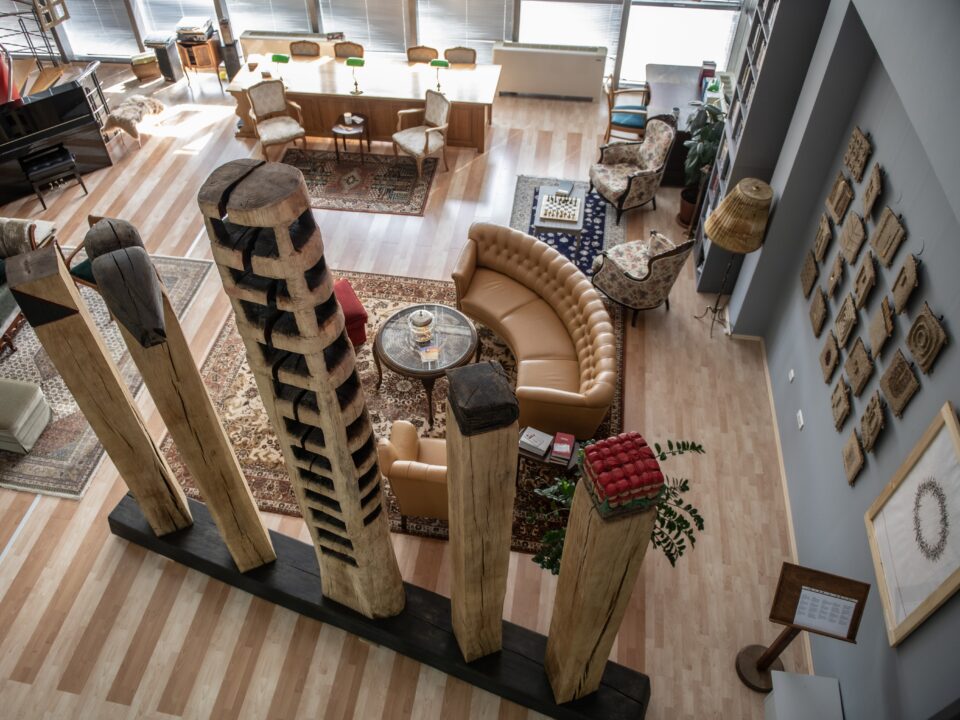
The Jewish Digital Library (Jevrejska digitalna biblioteka) collects, presents, and promotes digital materials that document Jewish historical, religious, and material heritage through written works, audio and video content. Its collections preserve and showcase Jewish tradition, customs, language, culture, art, the everyday life of Jewish communities, and the persecution of Jews, with particular emphasis on the Holocaust.
As part of the Month of Jewish Culture in Osijek, special attention will be given to Croatian authors and publishers, as well as to opportunities for collaboration with Jewish communities, academic institutions, publishers, museums, cultural organisations, and other institutions dedicated to preserving and promoting Jewish heritage. The presentation will also introduce possibilities for including Croatian authors, publications, and documentary materials in the Jewish Digital Library, while encouraging its wider recognition within Croatia's cultural and media landscape.
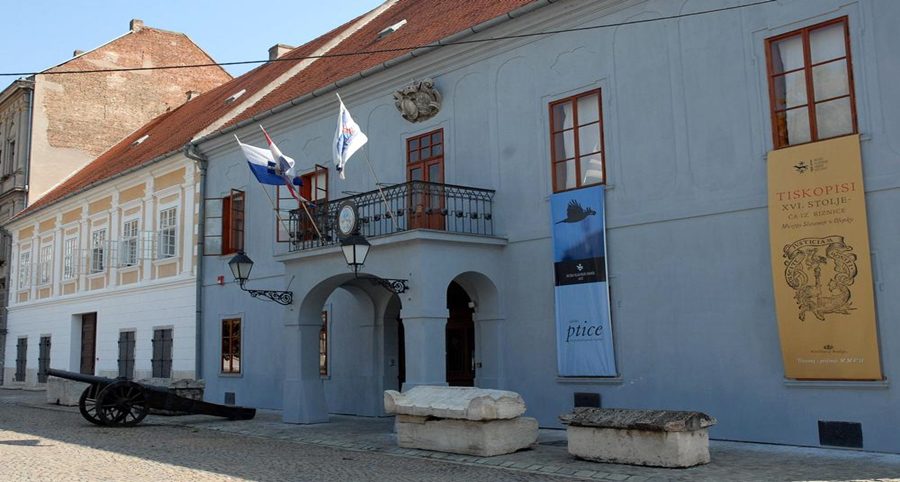
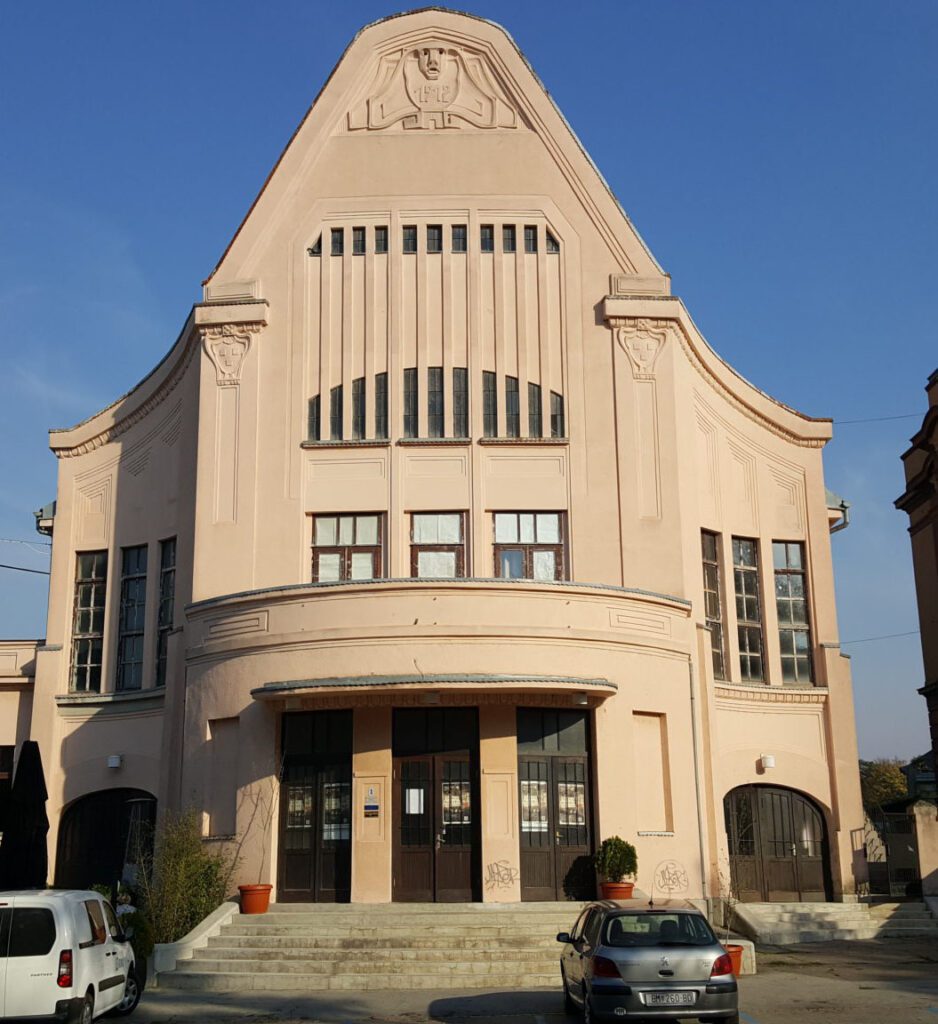
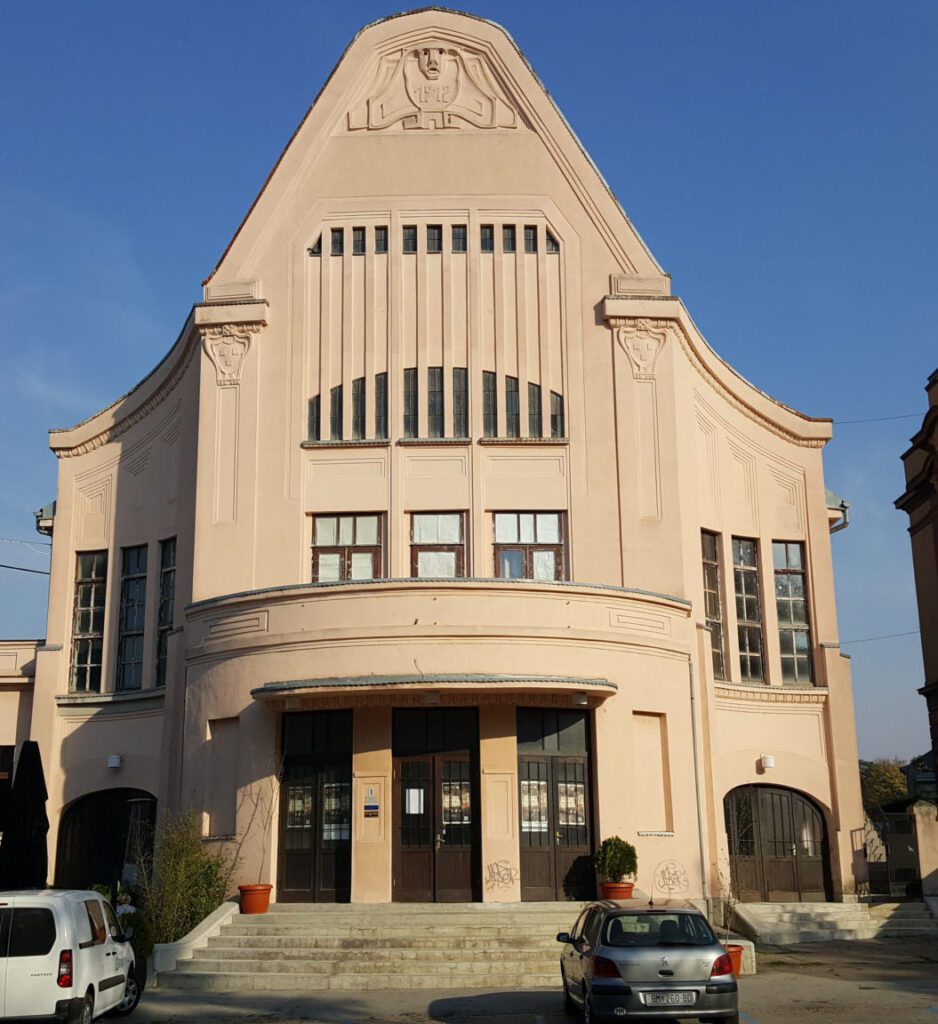
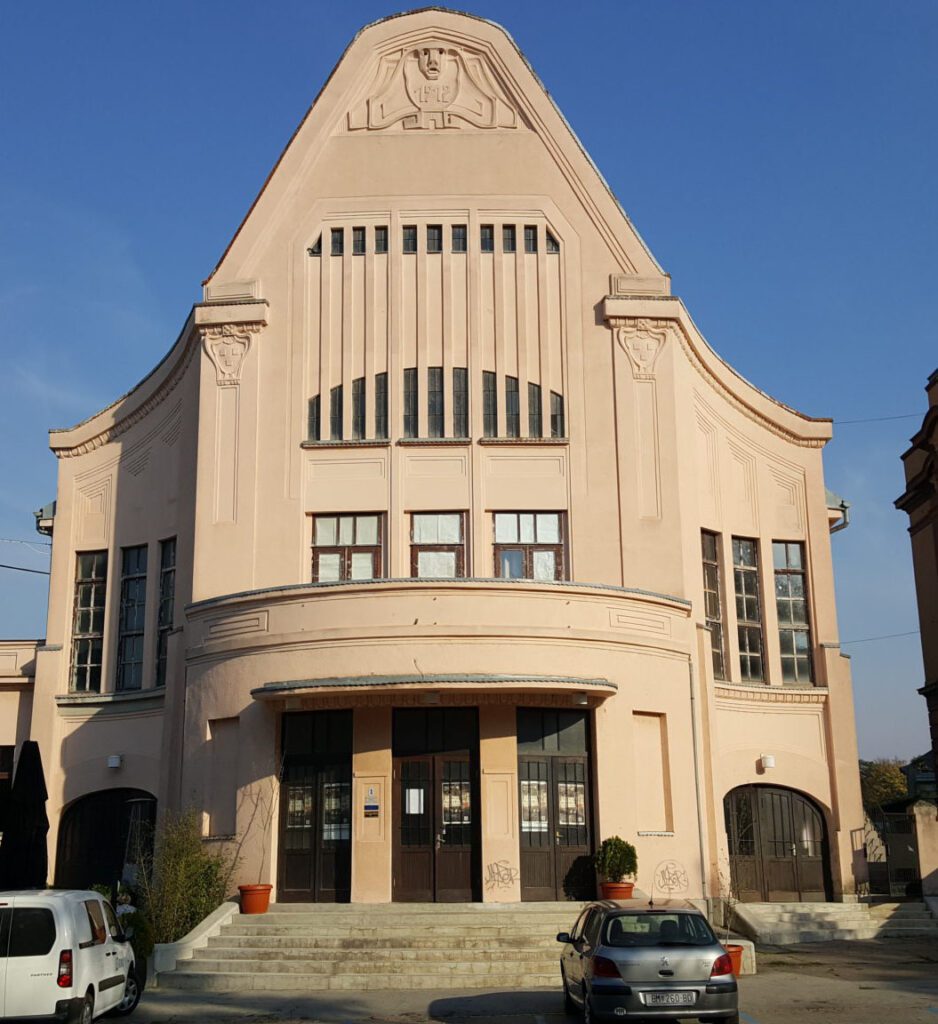
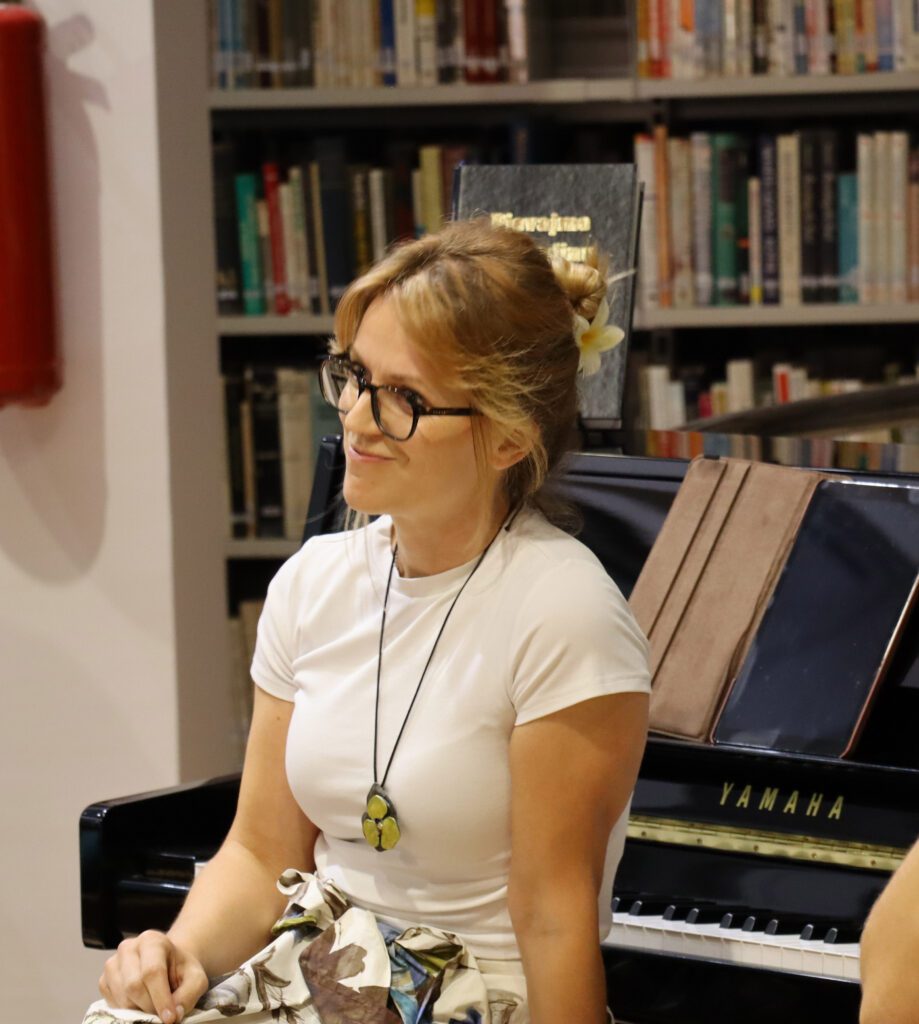
Love, an enduring source of inspiration for both artists and patrons, has given rise to countless works of art. It therefore came naturally to the Museum of Slavonia to draw inspiration from its collections for this year's Month of Jewish Culture, dedicated to the theme of love.
Our contribution to the programme focuses on portraits of three generations of women from the Buchwald and Dixel (Diksel) families. Created during the 1930s, these paintings are the work of three artists who were active in Osijek at the time. Elza Rechnitz painted the portrait of the grandmother, Roza Buchwald (1868–1942); Milan Tolić portrayed the mother, Ella Anita Dixel (1899–?); while Hella Reymann, renowned for her children's portraits, painted the youngest, Anita Marieta Maja Dixel, later Kutin (1925–1977).