
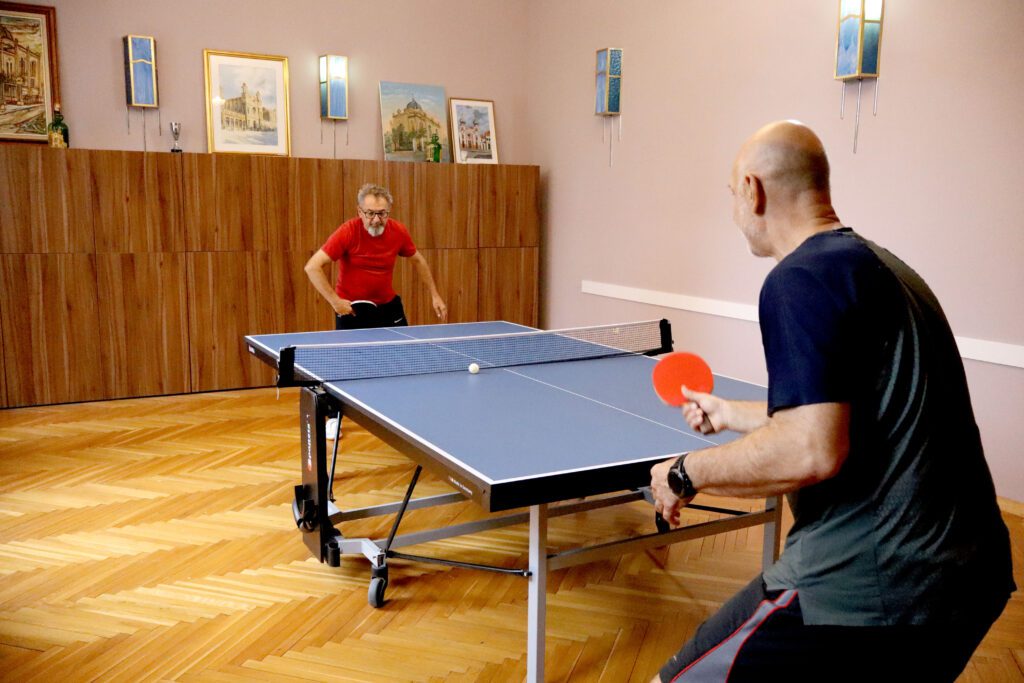
A table tennis tournament for members of national minorities, hosted by the Jewish Community of Osijek.
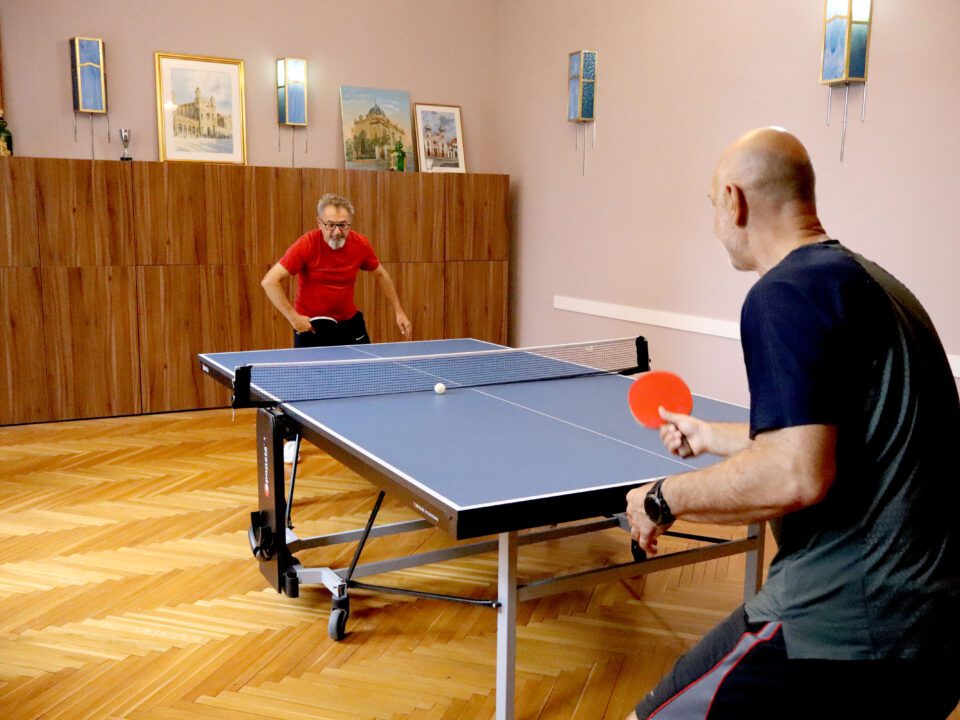
A table tennis tournament for members of national minorities, hosted by the Jewish Community of Osijek.
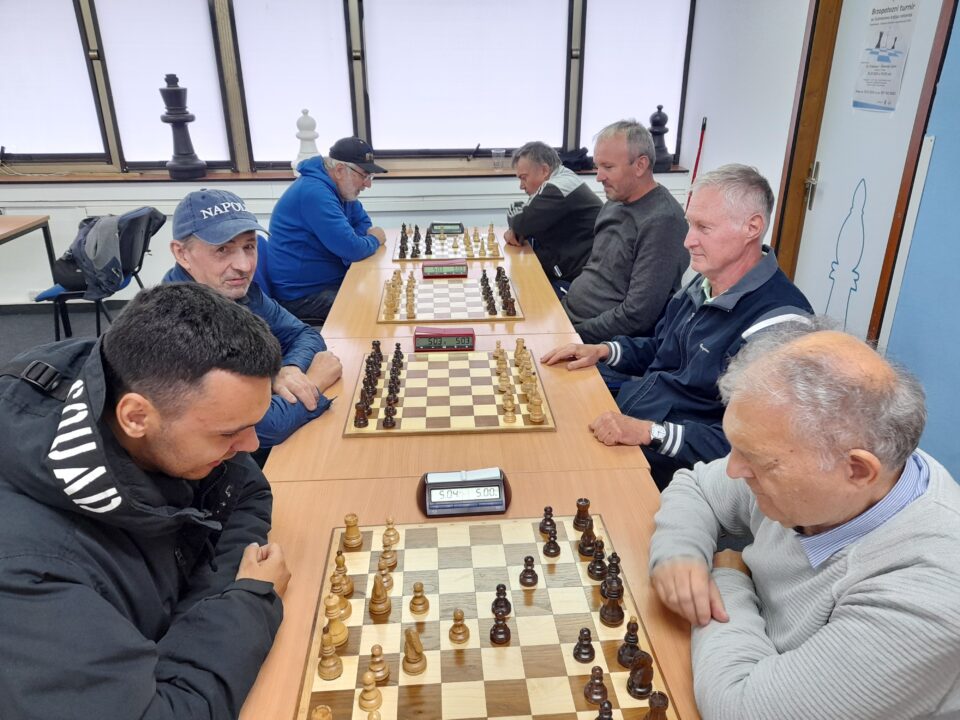
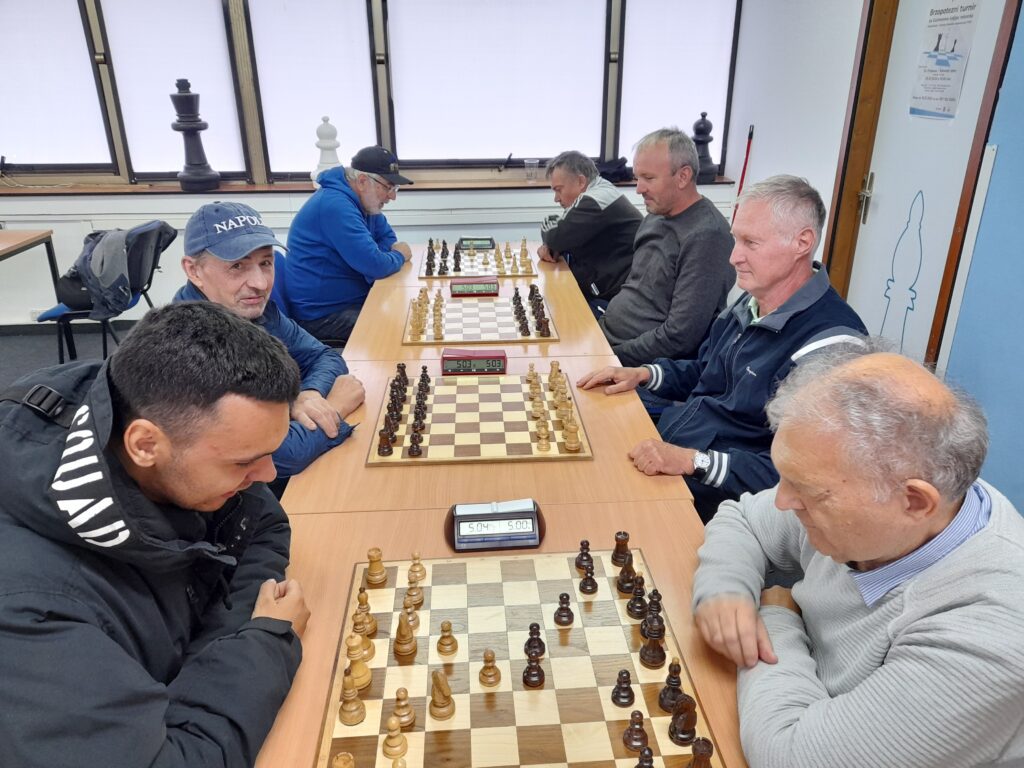
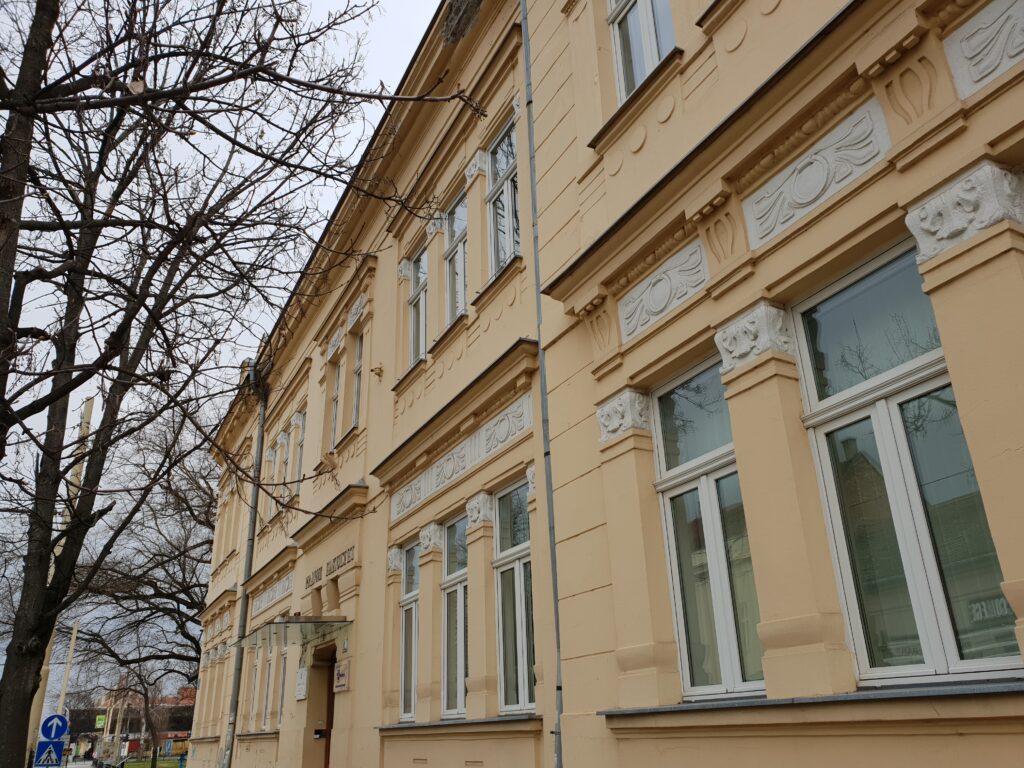
A chess tournament bringing together members of national minorities in a spirit of friendship, dialogue, and fair play, held at Šahovski dom Zrinjevac.
Join us for a travel presentation about a trekking journey through the breathtaking landscapes of Ladakh, on the edge of the Himalayas, where spectacular natural beauty is intertwined with the unique way of life of the local people.
Through the lens of our secretary and renowned Osijek photographer Boris Lichtenthal, you will discover dramatic mountain peaks, ancient Buddhist monasteries, and the everyday life of the people who inhabit one of the world's most extraordinary regions.
Following the presentation, visitors will have the opportunity to meet the author, ask questions, and hear first-hand stories and insights from this remarkable journey.
Come and discover the magic of Ladakh—a land of high mountain passes, timeless Himalayan traditions, and unforgettable landscapes.
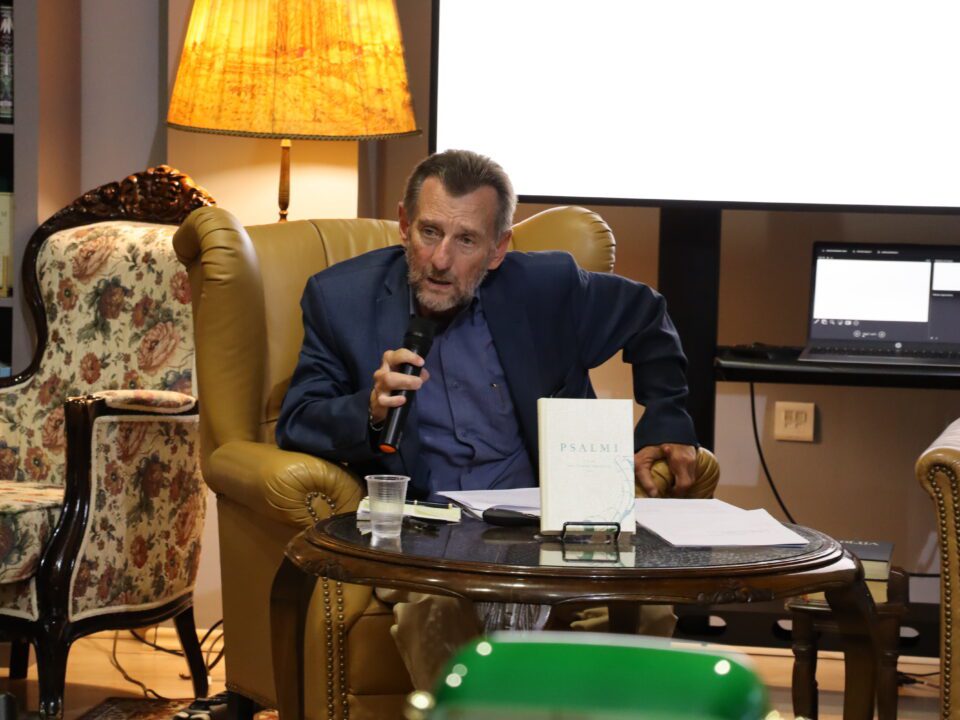
The Book of Ruth is one of the most beautiful and distinctive books of the Hebrew Bible. Through the story of Ruth, Naomi, and Boaz, it speaks of loyalty, friendship, love, and the acceptance of others.
What makes this narrative particularly remarkable is that Ruth, a Moabite woman from a people often in conflict with Israel, became part of the Israelite community through her faithfulness, courage, and devotion. Her words to Naomi — "Where you go I will go…"— remain one of the Bible's most powerful expressions of loyalty and trust, making the Book of Ruth timeless in its message and enduring in its inspiration.
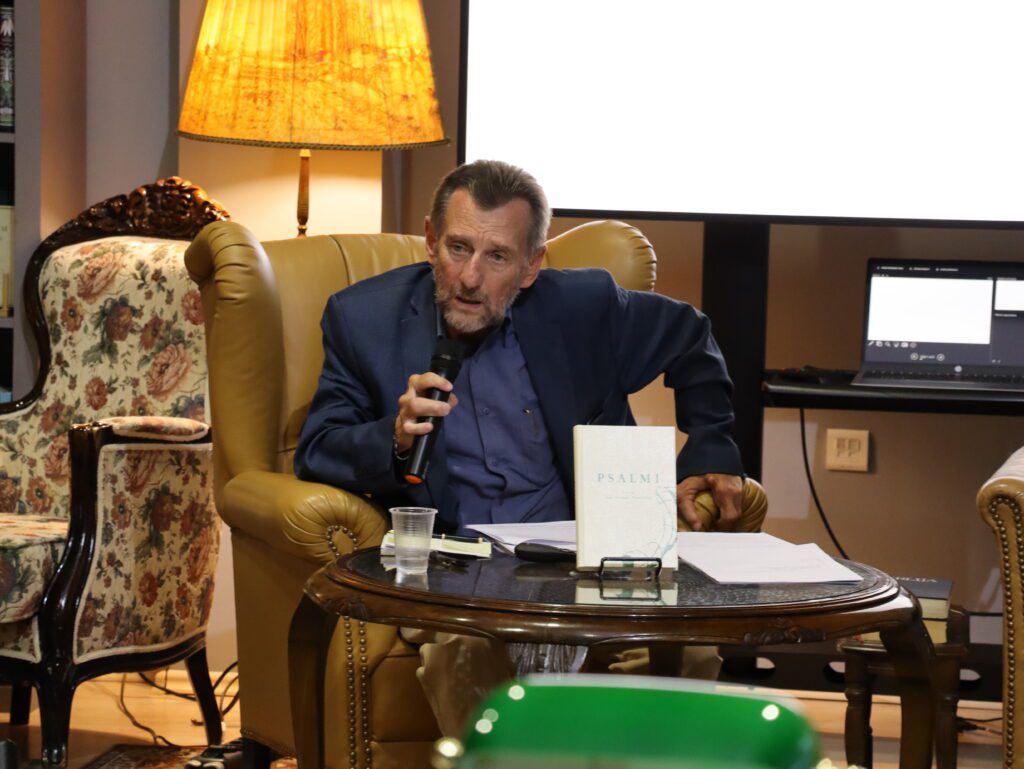
The Book of Ruth will be discussed by theologians Dr. Danijel Berković (Zagreb) and Dr. Aleksandar Apostolovski (Osijek).
Love is universal, yet each of us speaks and understands it differently. Why do some expressions of affection make us feel deeply valued, while others leave us wondering whether we are truly loved?
Drawing on the concept of the five love languages, this engaging lecture explores the many ways love is expressed through words, actions, time, gifts, and physical closeness. It invites participants to reflect on why misunderstandings arise even in caring relationships and how greater awareness of our own and others' “love languages” can strengthen emotional connections.
With practical insights and relatable examples, the lecture offers a simple but powerful reminder: love is not only about what we feel—it is also about how we communicate those feelings. Because people do not simply need to be loved; they need to know that they are loved.
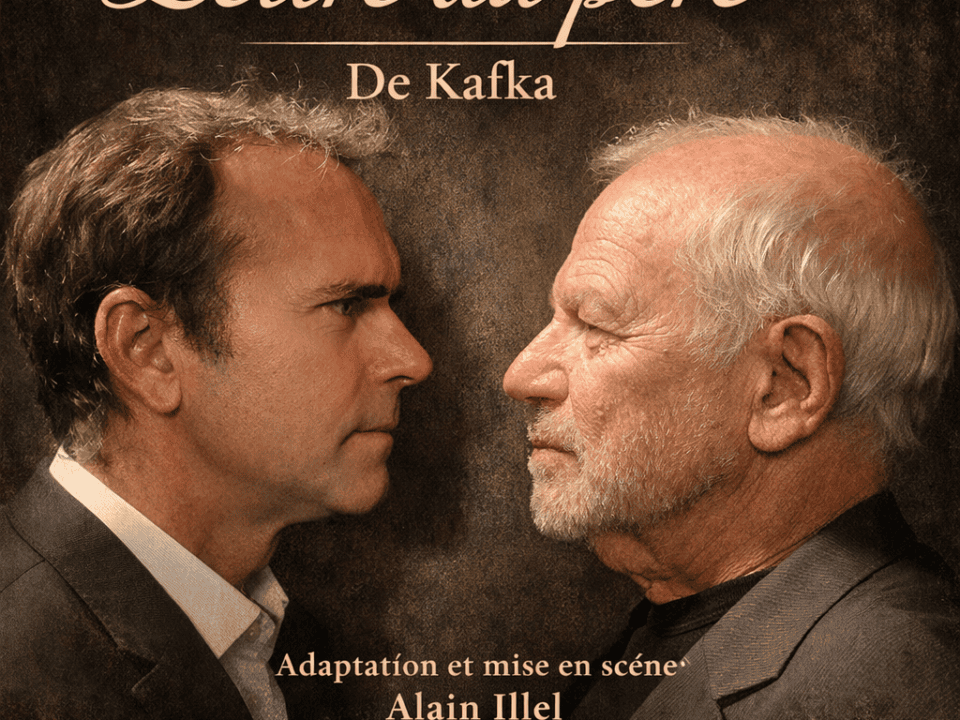
Première partie :
Spectacle Théâtrale sur le "CANTIQUE DES CANTIQUES" par la Troupe Promethéa dirigée par Alain ILLEL
« Le Cantique des Cantiques », poème biblique attribué à Salomon, adapté ici pour le théâtre, est centré sur le dialogue entre l'Épouse (la Bien-aimée) et l'Époux (le Bien-aimé), avec un chœur des Filles de Jérusalem, évoquent désir, attente, union et beauté physique, dans une structure dramatique naturelle. Il est régulièrement récité dans les synagogues.
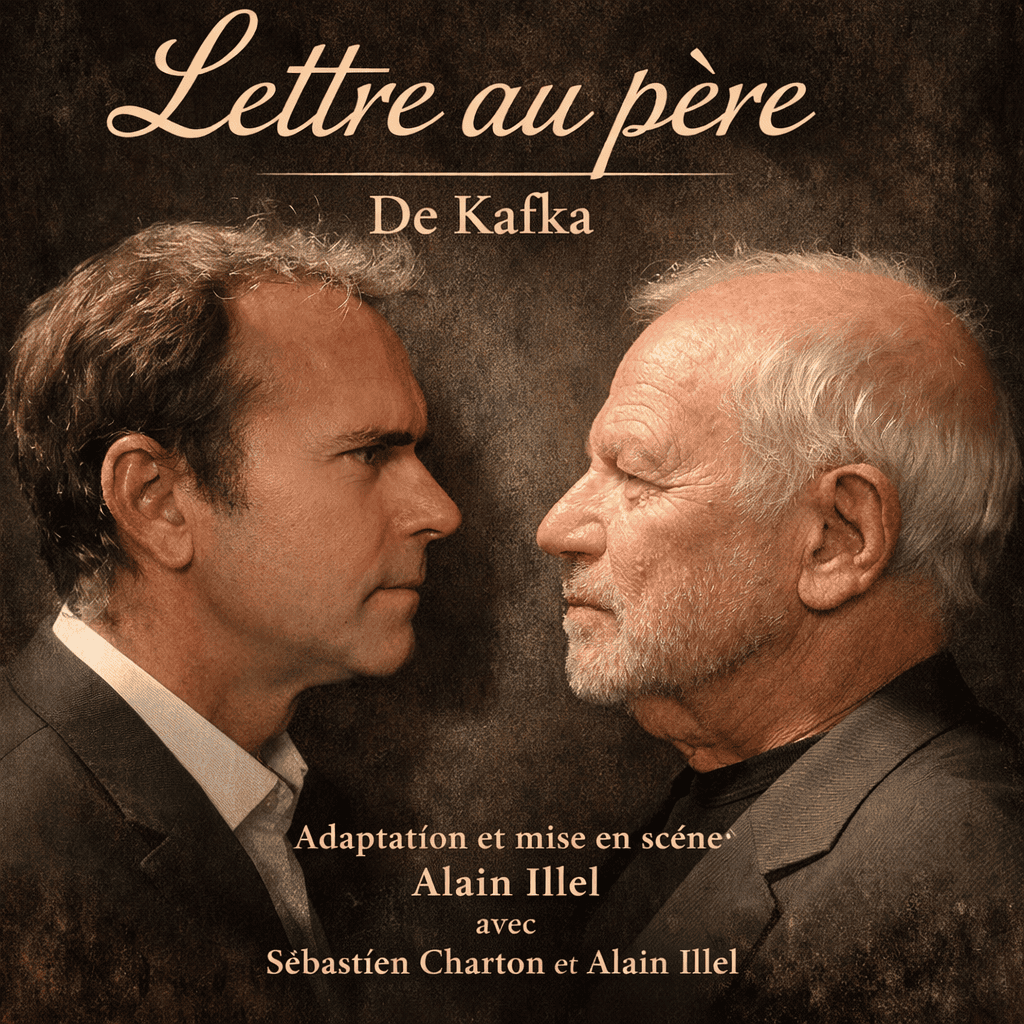
Deuxième partie «Lettre au LETTRE AU PERE de F. KAFKA avec Sébastien CHARTON et Alain ILLEL
Une nouvelle de Franz Kafka , dans laquelle l’auteur avoue à son père tous les mots qu’il n’a jamais osé lui dire. Le père l’écoute sans un mot, et lui montre toute sa peine, qu’il n’a jamais pu lui exprimer.
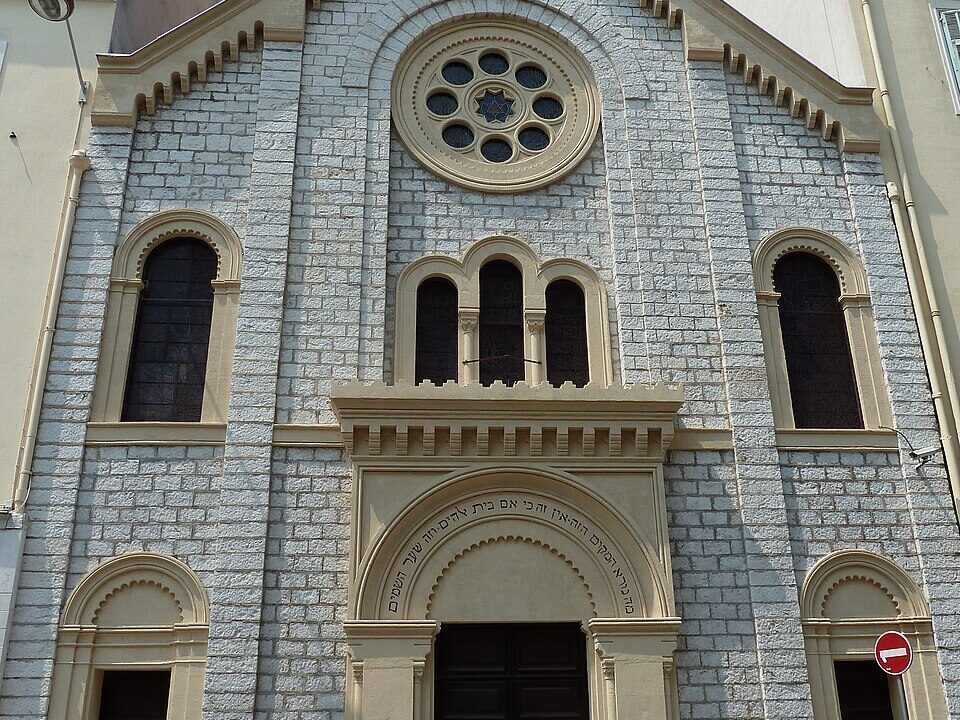
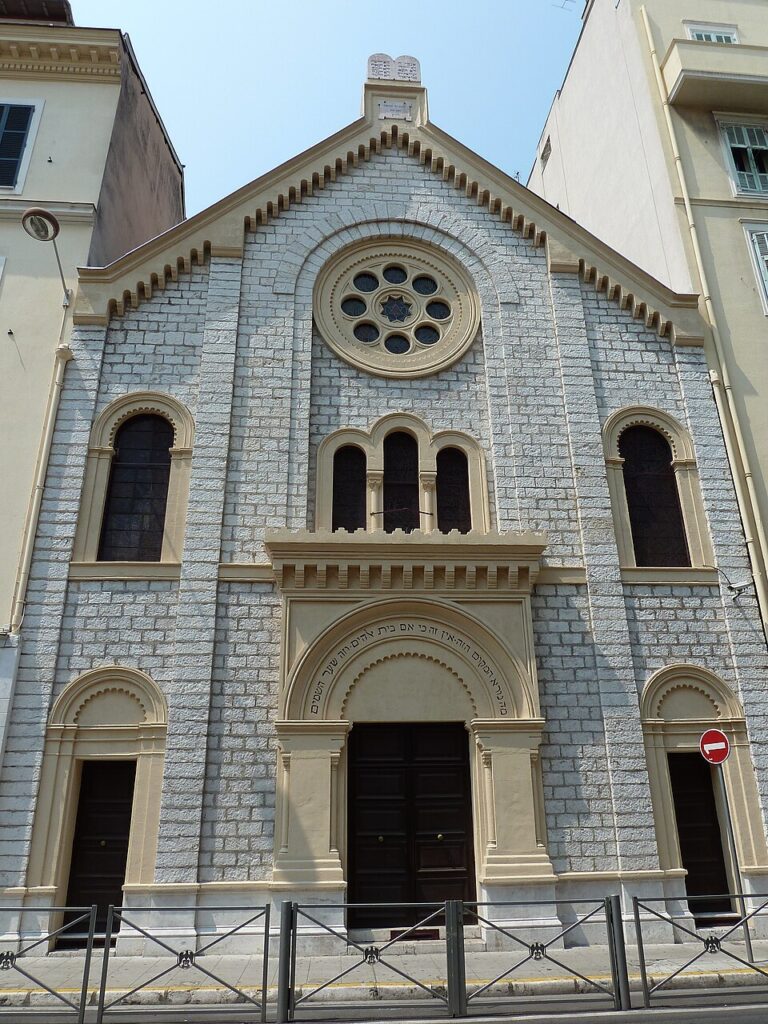
PARCOURS : Synagogue Deloye, Rue du Ghetto, Palais Lascaris, Cimetière du Château, Mur des Justes et Mur des Déportés
Visite dans la Synagogue Deloye, vitraux de Tobiasse, puis visite dans le Vieux Nice et visite du Palais lascaris, ensuite Cimetière juif du Chateau
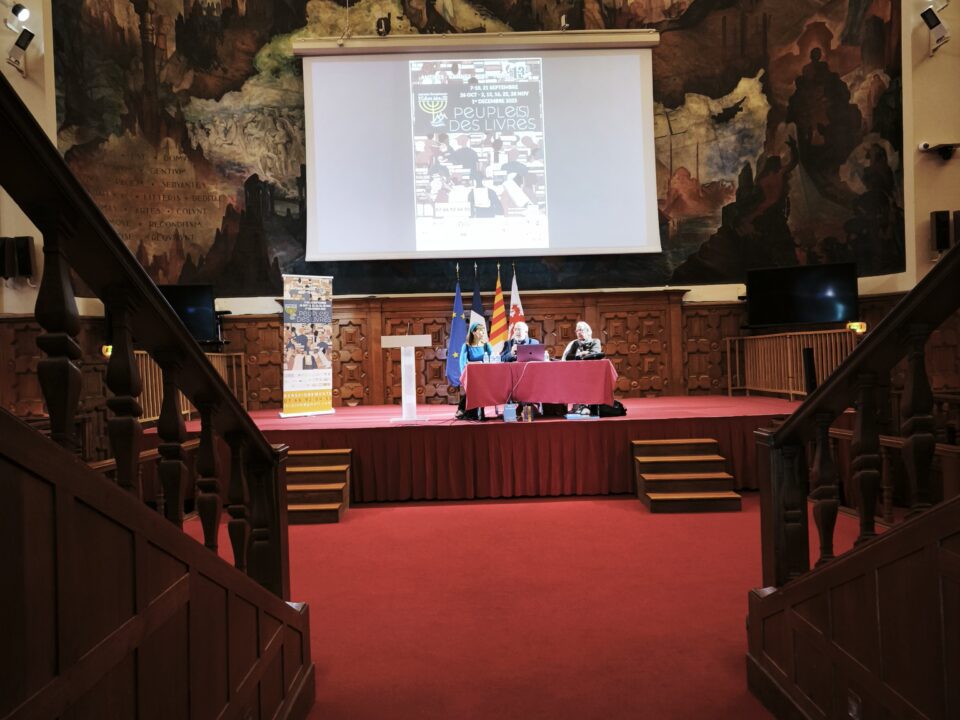
" L'Amour nous suffit-il? : une réflexion sur le thème de l'Amour dans la tradition juive et sur les liens profonds avec le dialogue interreligieux et les échanges culturels et sociaux
L’amour est un langage extrêmement riche mais ambivalent. Après avoir été survalorisé sociologiquement et culturellement au XXe siècle, il est maintenant critiqué comme un moyen de manipulation et de dissolution des institutions ou des traditions. Paradoxalement, il valorise les sujets tous en en les fragilisant. Nous voudrions montrer au travers de l’étude d’un texte canonique sur l’amour, le « Cantique des Cantiques, comment l’amour est à la fois reçu et critiqué
Nous proposerons dans cette perspective une lecture à haute voix du texte du Cantique des Cantiques par Eva Ziegler, comédienne et, son commentaire à deux voix, littéraire et philosophique, usant de ses commentaires juifs et chrétiens
PARTICIPANTS :
Fabrice WENDLING, Maître de conférence (langue et littérature latine), Université de Nice.
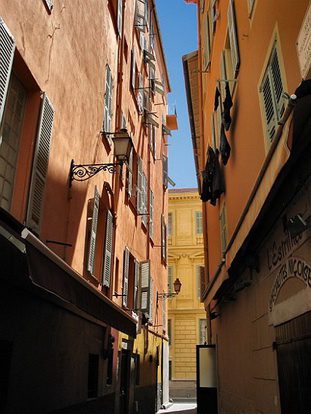
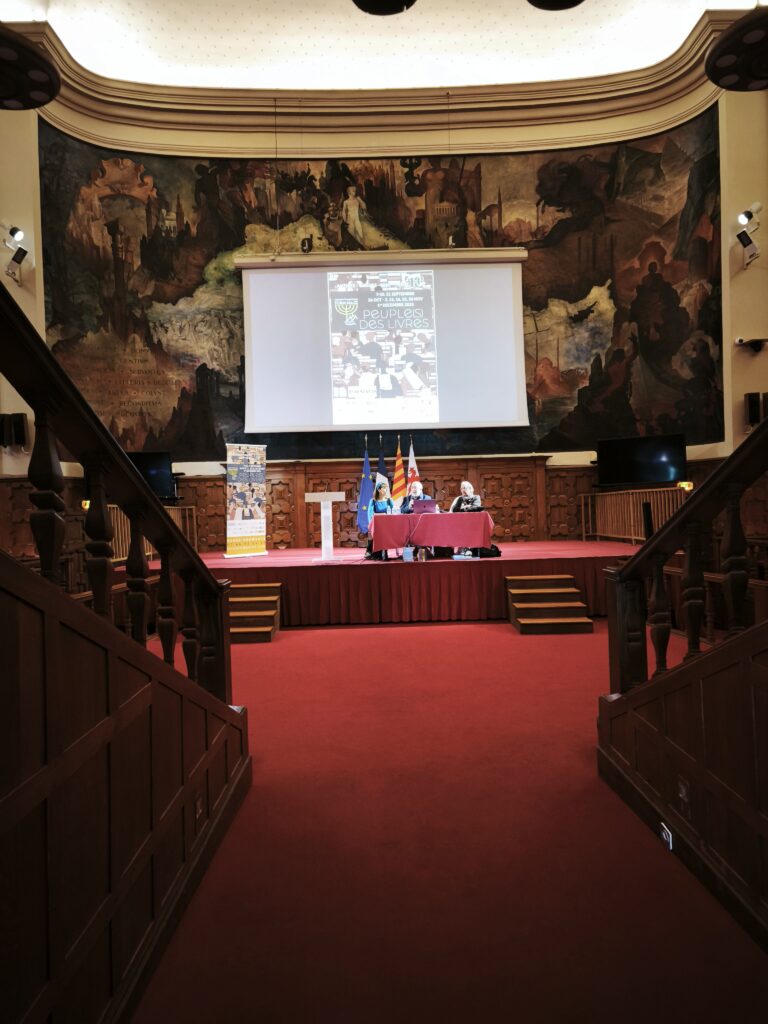
PARCOURS DE VISITE: place Masséna, rue Benoit Bunico, Rue Lascaris, Cimetière du Château, Mur des Justes et Mur des Déportés