
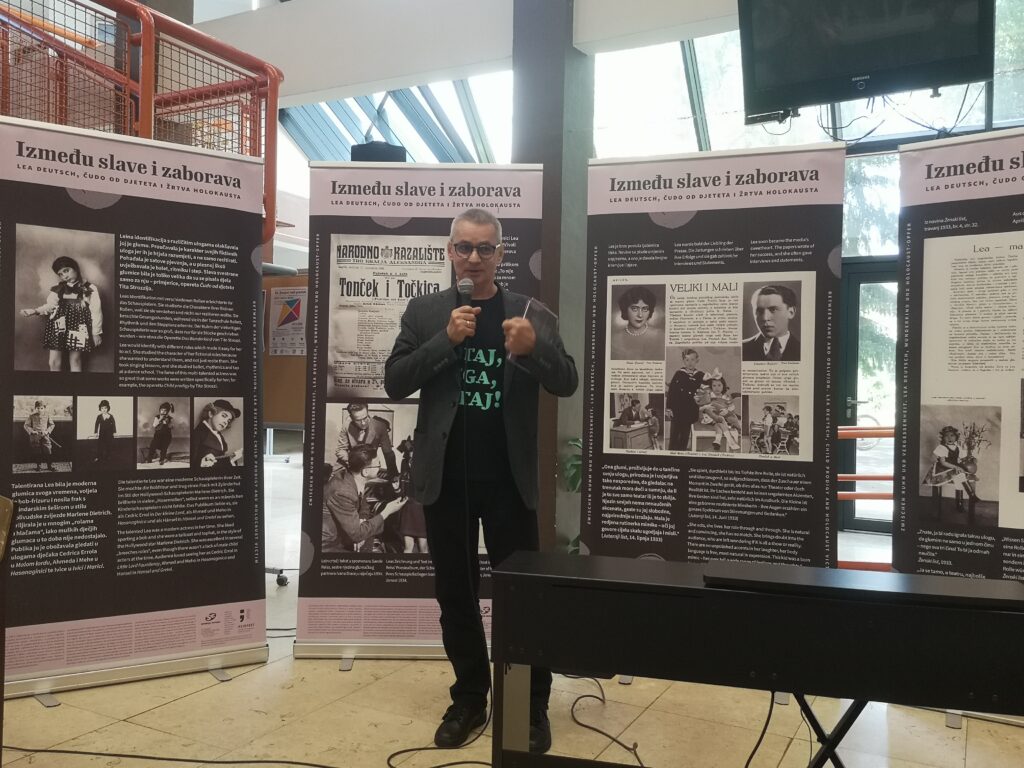
The exhibition "Between Fame and Oblivion: Lea Deutsch – A Child Star and Holocaust Victim" presents the life and tragic fate of one of Croatia’s most talented young actresses. A star of the Croatian National Theatre in Zagreb, Lea Deutsch’s promising career was brutally interrupted by the racial laws of the Independent State of Croatia and the Holocaust. As a Jewish girl, she was banned from education and performing, and she lost her life in 1943 during deportation to Auschwitz.
Based on the research of historians Dr Martina Bitunjac and Dr Damir Agičić, the exhibition uses photographs, documents and theatre materials to tell the story of Lea’s extraordinary talent, interrupted childhood and the importance of preserving cultural memory. It also highlights Jewish heritage as a history of creativity, art and contribution to the cultural life of Croatia, while promoting remembrance, tolerance, dignity and respect for human rights.
The exhibition will be introduced by Dr Damir Agičić, co-author of the exhibition.
Musical programme featuring Iskra Rajković (vocals), Erika Eđed (cello) and Ivančica Hinek (piano) from the Franjo Kuhač Music School in Osijek.
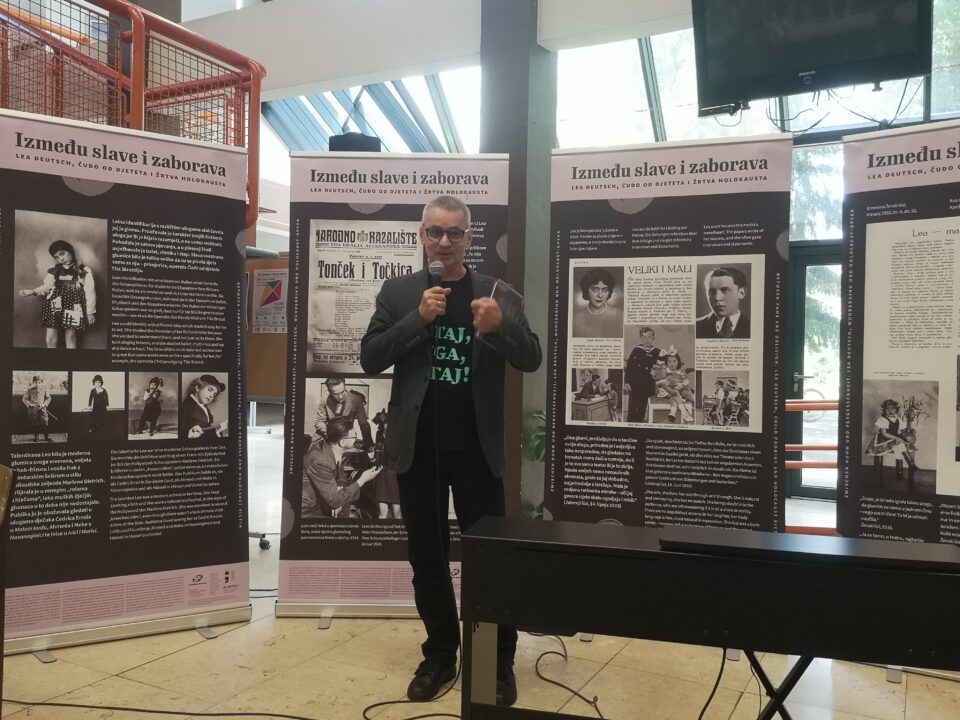
The exhibition "Between Fame and Oblivion: Lea Deutsch – A Child Star and Holocaust Victim" presents the life and tragic fate of one of Croatia’s most talented young actresses. A star of the Croatian National Theatre in Zagreb, Lea Deutsch’s promising career was brutally interrupted by the racial laws of the Independent State of Croatia and the Holocaust. As a Jewish girl, she was banned from education and performing, and she lost her life in 1943 during deportation to Auschwitz.
Based on the research of historians Dr Martina Bitunjac and Dr Damir Agičić, the exhibition uses photographs, documents and theatre materials to tell the story of Lea’s extraordinary talent, interrupted childhood and the importance of preserving cultural memory. It also highlights Jewish heritage as a history of creativity, art and contribution to the cultural life of Croatia, while promoting remembrance, tolerance, dignity and respect for human rights.
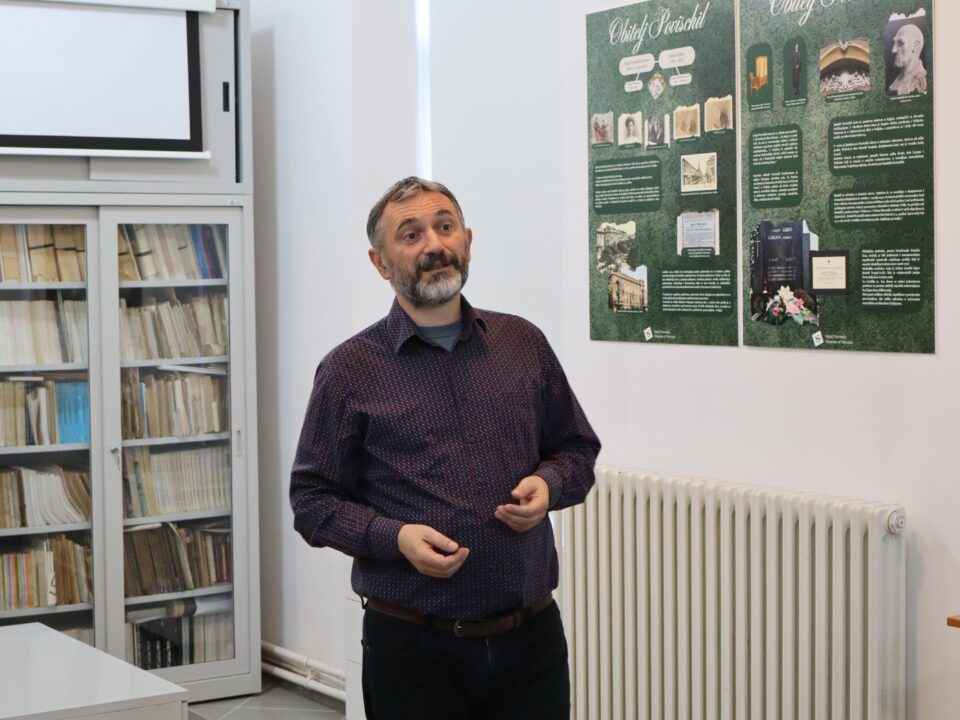
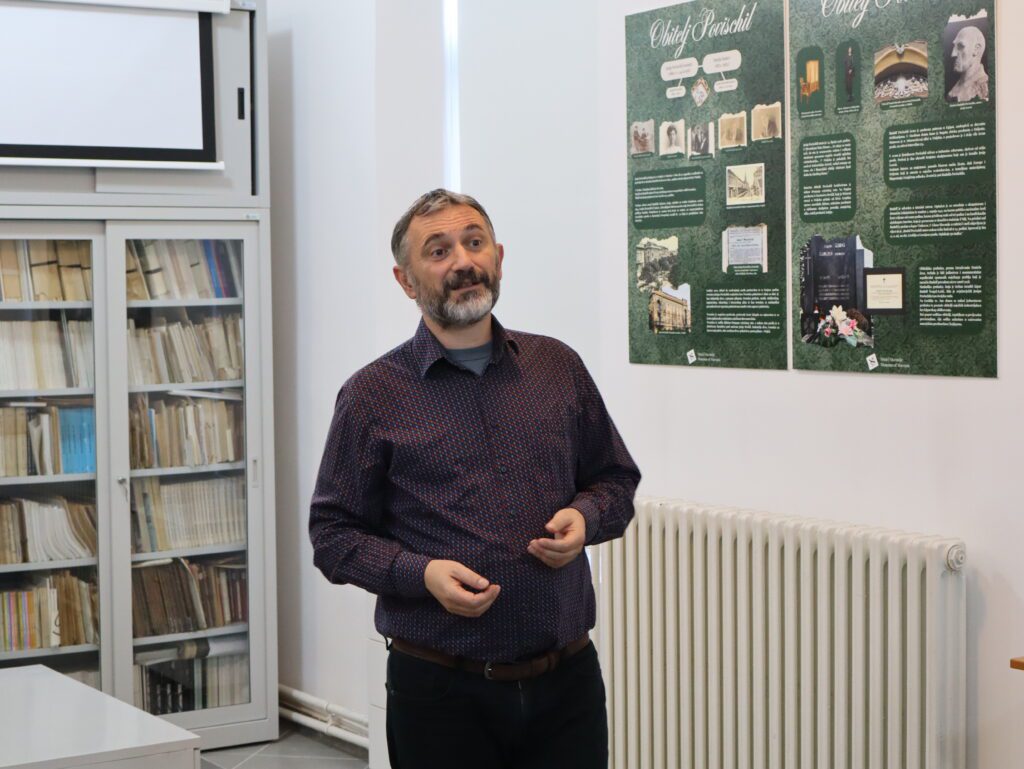
This lecture will explore the themes of homeland, belonging and identity through the personal and collective experience of the Jewish community. The lecture will focus on the connection to Croatia as the homeland where the Jewish community has lived for centuries, and to Israel as the historical and spiritual homeland of the Jewish people, highlighting the importance of dialogue, mutual understanding and multiple identities.
Lecturer: Damir Lajoš
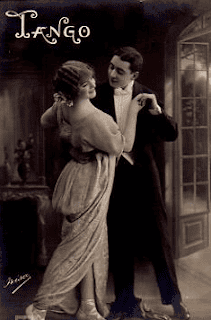
The concert willl be dedicated to the Jewish tango as the little known genre of music, song and dance which had many representatives in Galicia before the World War II .
During the concert in the historical First Jewish theater there will be performed the musical works of the remarkable Jewish composers, singers, poets who worked in that genre – .Benzion Witler, Oscar Strok, Emanuel Shlechter and others.
The concert will unite on one stage Ukrainian and Polish singers, dancers and artists.
It will be the first performance of the Jewish tango in Lviv after the World War II.
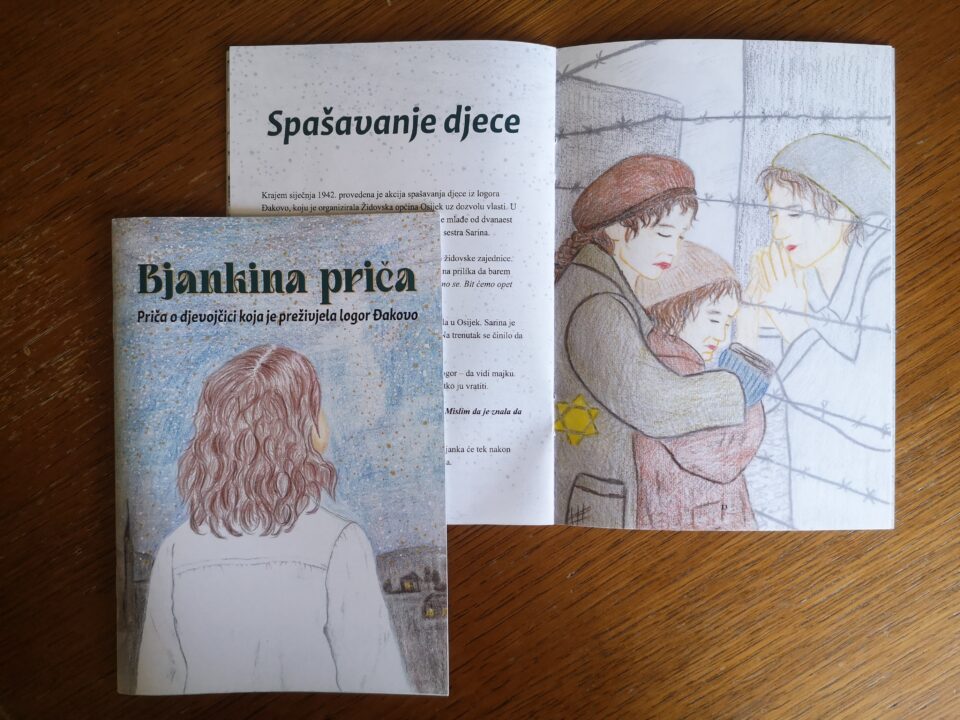
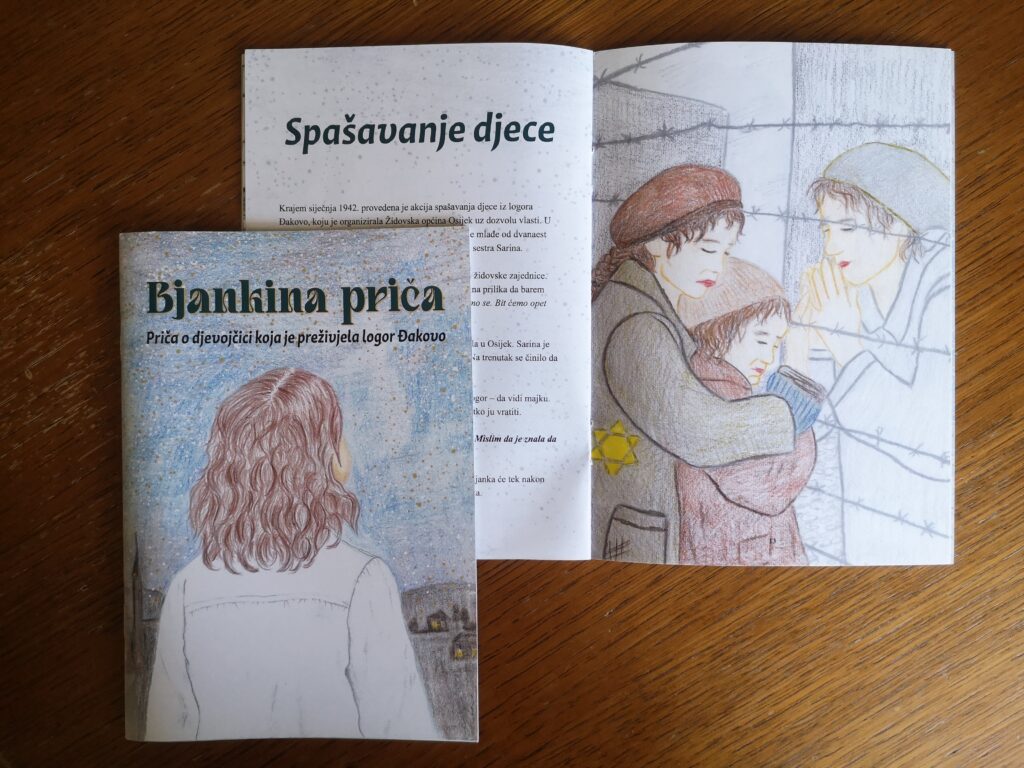
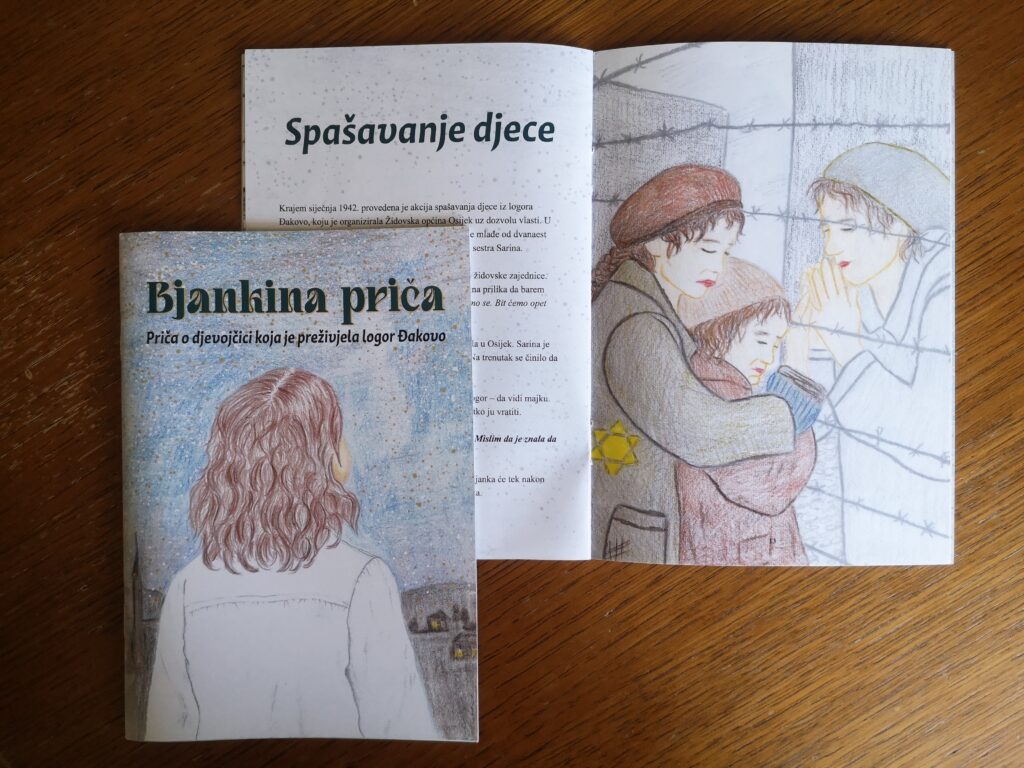
The picture book Bianka’s Story was created with the aim of preserving the memory of Bianka Levi Auslender, a girl from Sarajevo who, during the Second World War, was imprisoned together with her mother, grandmother, and sister in the Đakovo concentration camp. Bianka was the only member of her family to survive the war – her sister was murdered in Auschwitz, while her mother and grandmother were killed and buried in Đakovo under their own names.
Based on Bianka Levi Auslender’s authentic testimony, the picture book presents children and young people with a sensitive and age-appropriate story of a wartime childhood, loss, fear, but also hope, resilience, and the importance of remembrance.
The picture book was created as part of the project Bianka’s Story – A Memory That Teaches Us, through the joint work of students and teachers from Vladimir Nazor Primary School and A.
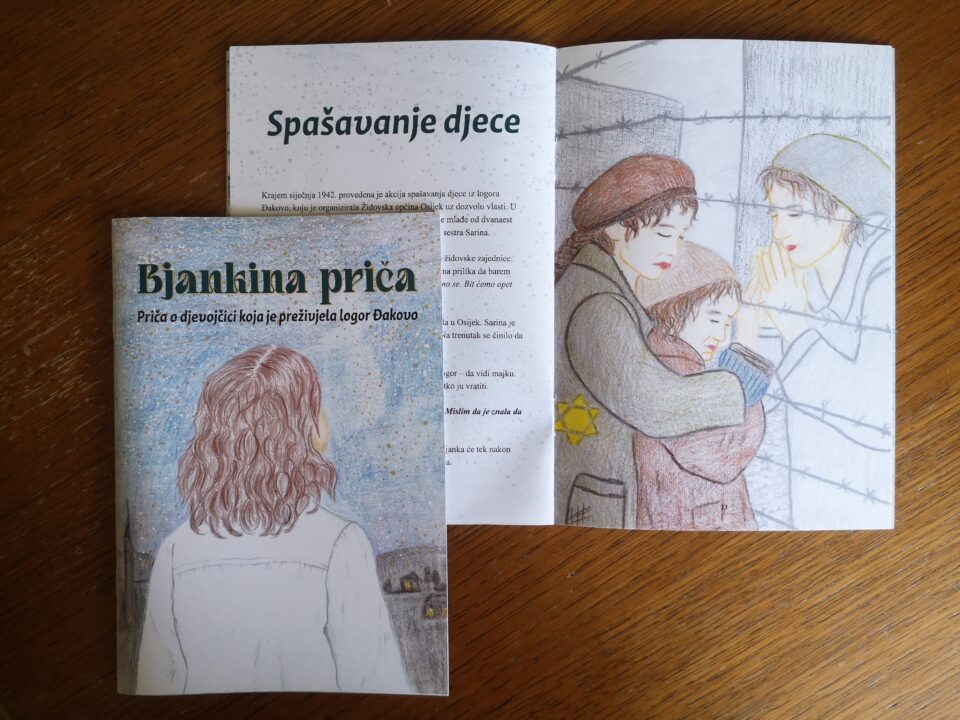
The picture book Bianka’s Story was created with the aim of preserving the memory of Bianka Levi Auslender, a girl from Sarajevo who, during the Second World War, was imprisoned together with her mother, grandmother, and sister in the Đakovo concentration camp. Bianka was the only member of her family to survive the war – her sister was murdered in Auschwitz, while her mother and grandmother were killed and buried in Đakovo under their own names.
Based on Bianka Levi Auslender’s authentic testimony, the picture book presents children and young people with a sensitive and age-appropriate story of a wartime childhood, loss, fear, but also hope, resilience, and the importance of remembrance.
The picture book was created as part of the project Bianka’s Story – A Memory That Teaches Us, through the joint work of students and teachers from Vladimir Nazor Primary School and A.
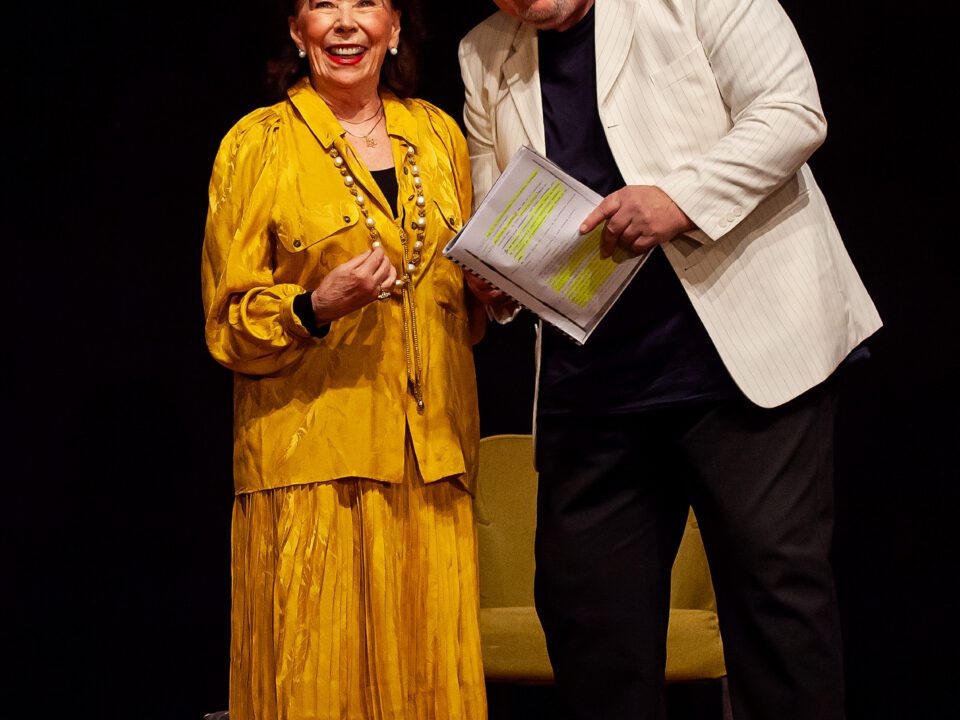
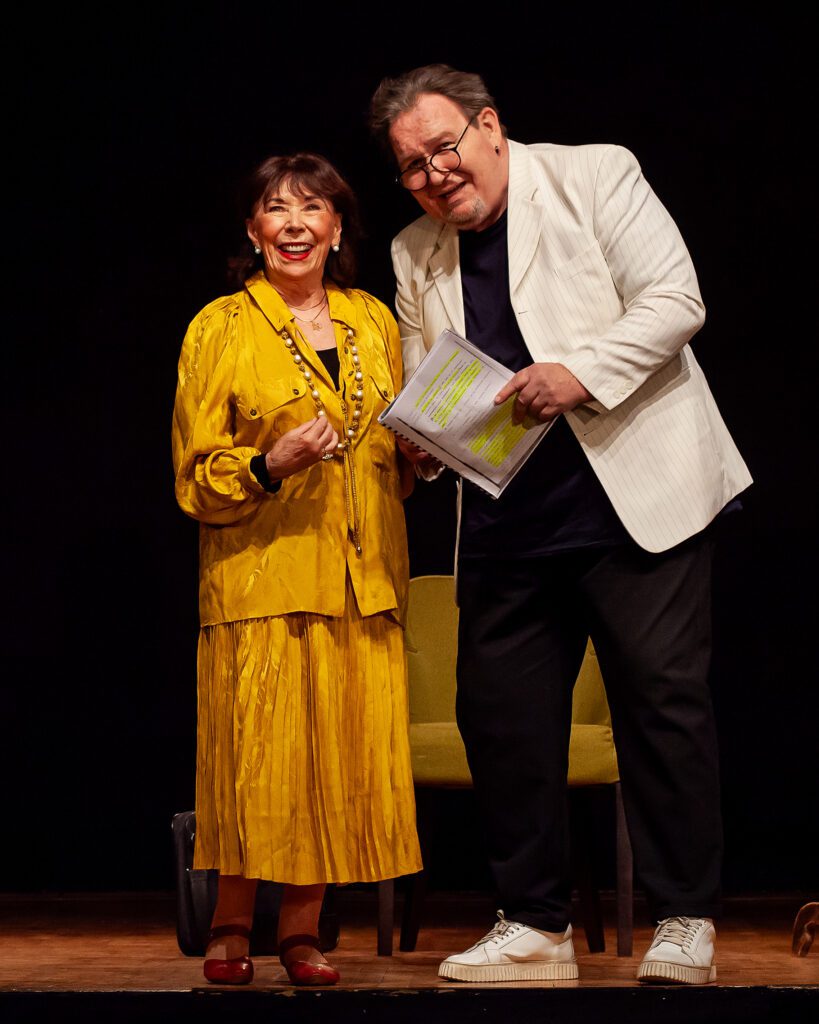
Closing of the Month of Jewish Culture with a theatre play: "Nobelovac i ja" (Nobel Laureate and Me)
Director and Adaptation: Stefan Sablić
Author: M. Fineman
Starring: Jelisaveta Seka Sablić and Branko Vidaković
The "Nobel Laureate and Me" is a witty, warm, and deeply moving play about love, longing, and the unexpected turns life can take. In captivating performances, the legendary Jelisaveta Seka Sablić and Branko Vidaković portray two characters who remind us that emotions, passion, and the need for human connection know no age.
Directed by Stefan Sablić, the production skilfully blends comedy with intimate drama, revealing how unfulfilled dreams, cherished memories, and enduring romantic longings often lie beneath the surface of everyday life. As the story unfolds, audiences are drawn into an unexpected, humorous, and touching journey that challenges stereotypes and celebrates the idea that life's most beautiful surprises often arrive when we least expect them.
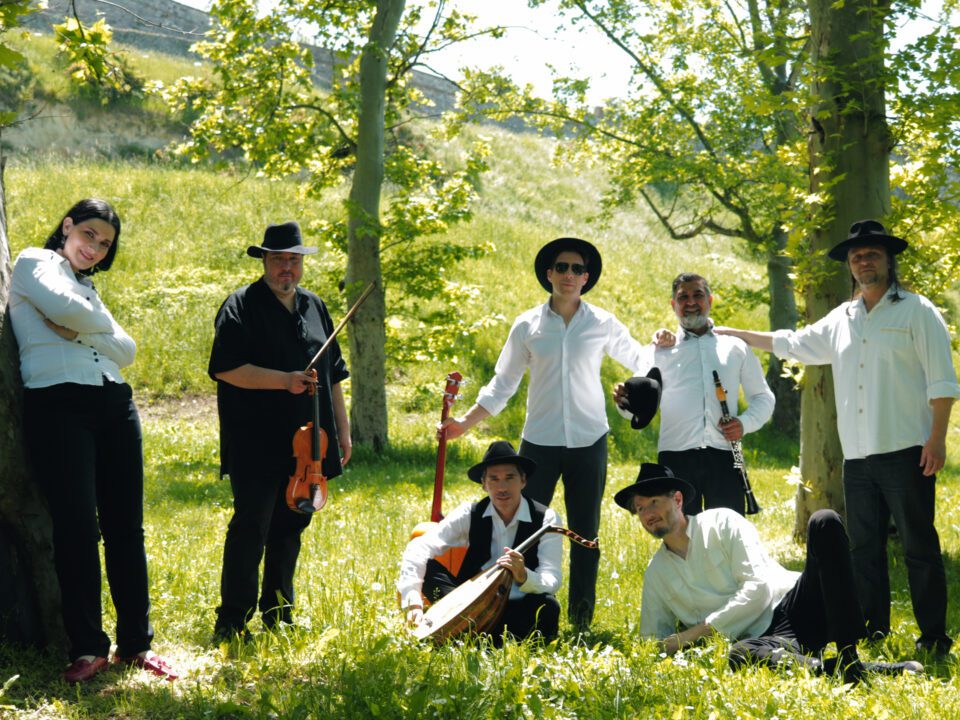
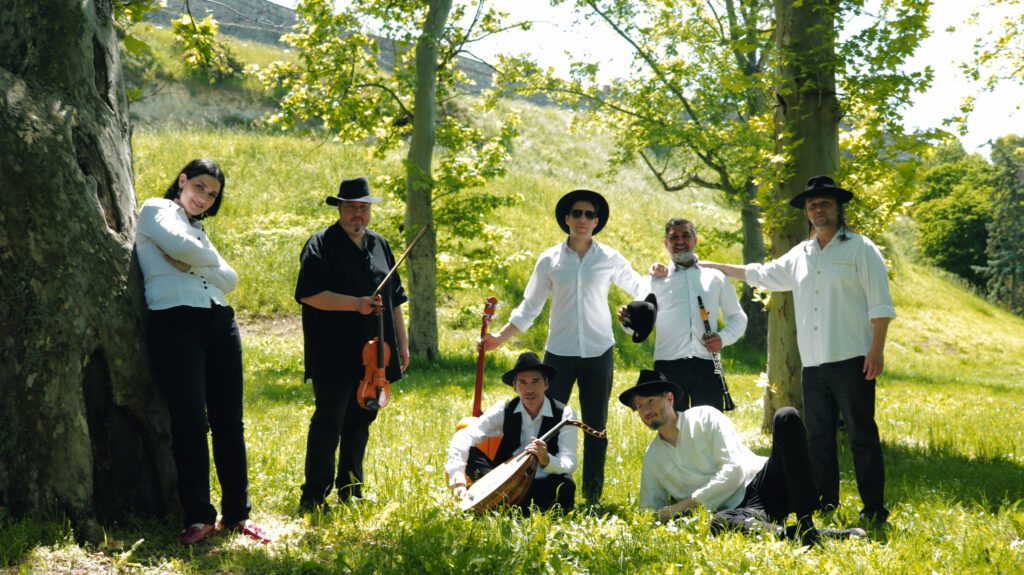
The concert "Love Through the Centuries: From Biblical Poetry to Contemporary Jewish Music" takes the audience on a musical journey spanning more than three thousand years of Jewish tradition – from the biblical Song of Songs, through Sephardic romances and traditional Jewish music, to contemporary composers and songwriters such as Leonard Cohen and other distinguished Jewish artists. Traversing different historical periods and musical styles, the concert explores love in its many forms: love between two people, love for family, homeland, God, and life itself.
For more than two decades, Shira U'tfila has been dedicated to researching, preserving, and presenting Jewish music through contemporary performance, with a particular focus on the Sephardic musical heritage of the Balkans, the Mediterranean, and the Middle East.
Société – Conversation citoyenne et éthique
Réfléchir
Synagogue Beth-Yaacov
Place de la Synagogue 11, 1204 Genève
14h30 Peut-on encore aimer son prochain ?
Ruth Dreifuss et Mikhael Benadmon
Face aux défis de notre époque, l’ancienne conseillère fédérale et le grand rabbin de la Communauté Israélite de Genève échangeront autour de l’actualité du commandement « Tu aimeras ton prochain » – entre éthique, responsabilité et vivre-ensemble.
La conversation sera suivie d’un échange avec le public et d’un goûter.
Entrée libre – dons bienvenus
Musique – Concert sous le signe de l’amour
Ecouter
Communauté Juive Libérale de Genève – Chemin Ella-Maillart 2, 1208 Genève
17h30
Création JECJ – Chants d’amour : un voyage musical au cœur des cultures juives
Sarah Pagin (soprano), Anouchka Schwok (mezzo-soprano), Sergey Ostrovsky (violon) et Giuseppe Massimo Sabatini (piano)
Des chants de la tradition aux répertoires en ladino et en yiddish, du classique à Broadway,et à la création contemporaine, une célébration de l’amour dans toute la diversité des cultures juives.
Poétique de l'amour
"Meilleures que le vin sont les amours" (Cantique des cantiques)
Qu'est-ce que le temps ? Qu'est que l'amour sinon le retour du jadis qui réveille les images perdues. "Le visage est la trace de l'inconnu " a pu écrire le philosophe Emmanuel Levinas. La Torah est donnée dans la lumière d'un regard. Telle est l'épiphanie de l'autre.
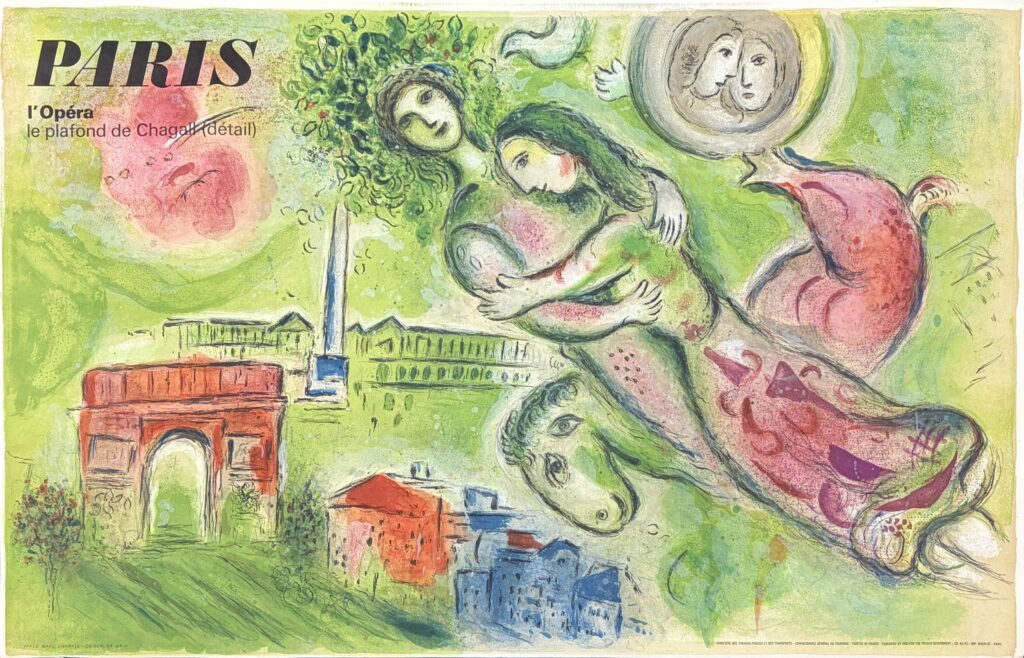
Les liens entre l'amour et le divin sont anciens dans la poésie hébraïque depuis les paroles sublimes du prophète Jérémie : ' Je me souviens à ton sujet de ta jeunesse, de l'amour, de tes fiançailles. " Quant au Cantique des cantiques, il demeure le dialogue théologique et amoureux le plus profond entre Israël, symbolisé par la Sulamite, et Dieu, qui est le bien-aimé.