
This lecture explores the question of women's religious authority in Judaism through biblical sources, rabbinic tradition, and the historical development of Jewish communities. Beginning with the biblical prophetesses and other remarkable women who shaped the spiritual, moral, legal, and political life of Israel, the lecture demonstrates that female religious leadership is not merely a modern phenomenon but has deep roots within Jewish tradition. It will also examine the lives of learned Jewish women who, despite social restrictions, studied and taught the Torah and the Talmud, as well as those who paved the way for women's ordination in the nineteenth and twentieth centuries. Particular attention will be given to Regina Jonas, the first woman to be ordained as a rabbi, and to the development of the female rabbinate in contemporary Judaism. The lecture will invite participants to consider whether the ordination of women represents a break with tradition or rather the rediscovery of possibilities that have existed within Judaism since biblical times.
Perhaps, then, the real question is no longer: Can women be rabbis? Rather: How did we ever come to believe that they could not?
Lecturer: Elma Kaunitz
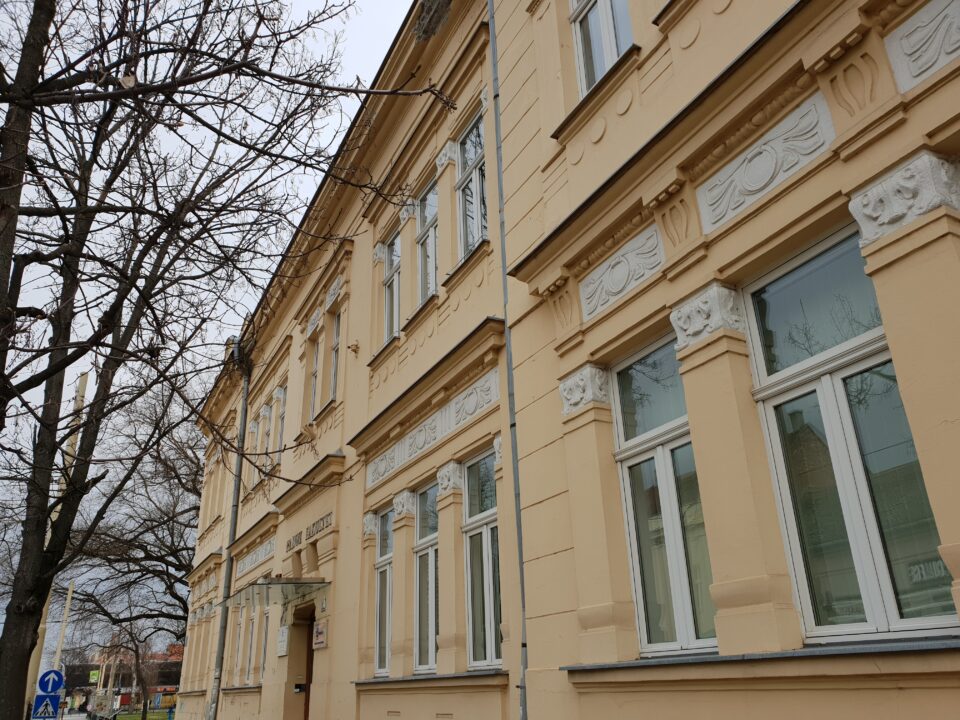
This lecture explores the question of women's religious authority in Judaism through biblical sources, rabbinic tradition, and the historical development of Jewish communities. Beginning with the biblical prophetesses and other remarkable women who shaped the spiritual, moral, legal, and political life of Israel, the lecture demonstrates that female religious leadership is not merely a modern phenomenon but has deep roots within Jewish tradition. It will also examine the lives of learned Jewish women who, despite social restrictions, studied and taught the Torah and the Talmud, as well as those who paved the way for women's ordination in the nineteenth and twentieth centuries. Particular attention will be given to Regina Jonas, the first woman to be ordained as a rabbi, and to the development of the female rabbinate in contemporary Judaism.
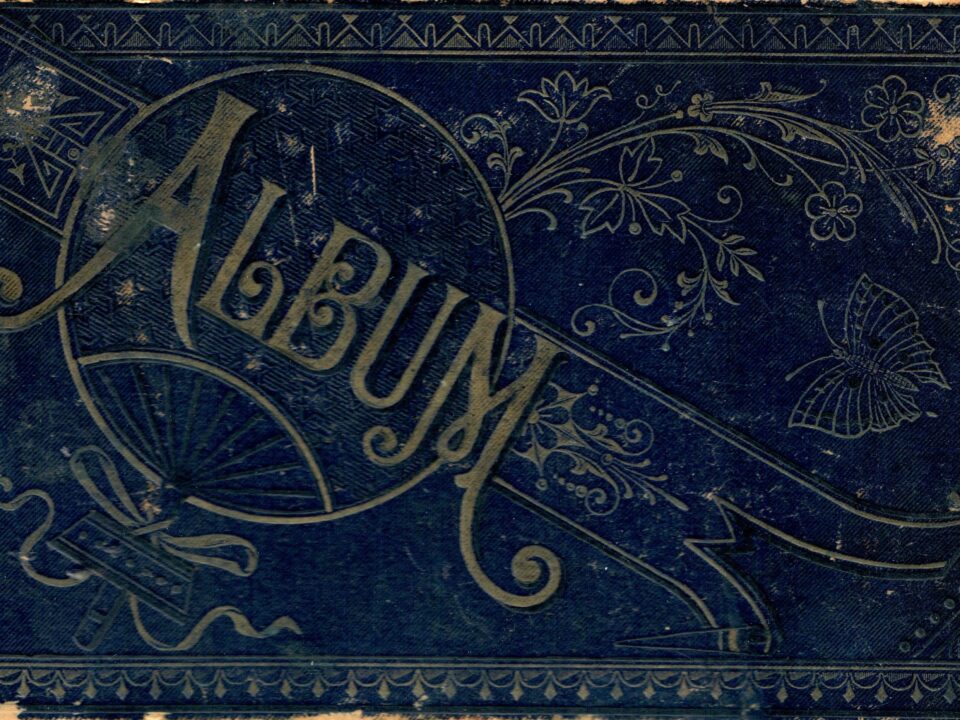
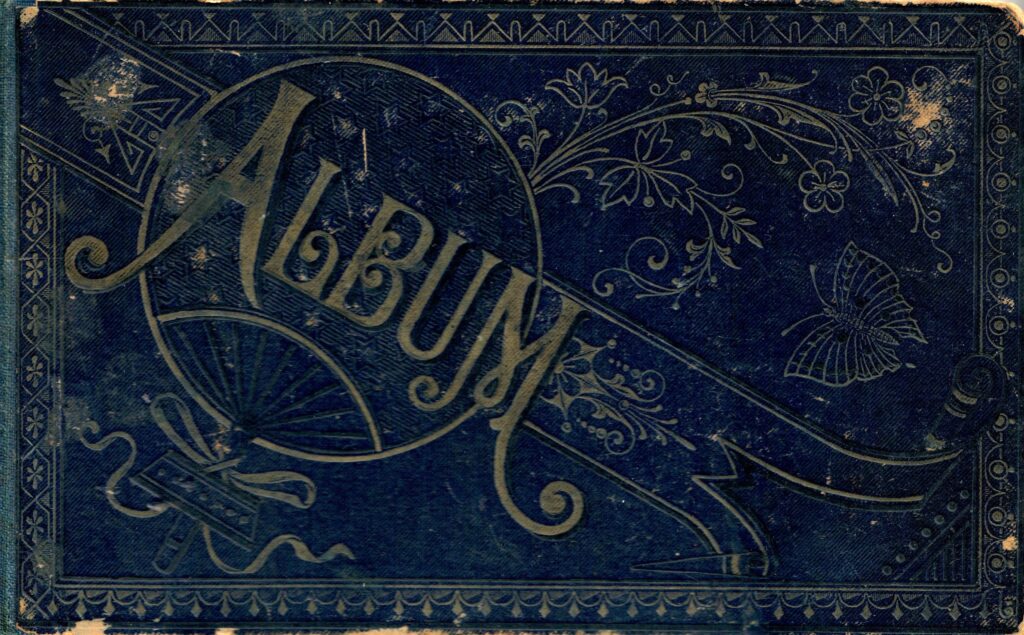
‚The unblemished joys of life are friendship, love, and a cheerful spirit‘ – so reads a poem by Christoph August Tiedge, whose lines Lina Mayer wrote in 1890 in the autograph book of 17-year-old Johanetta Mayer from Laufersweiler. At the time, the entry was a sign of deep affection – today, it is an occasion for remembrance.
The autograph book itself has an eventful history: Johanetta Mayer was born in Laufersweiler in 1873. She spent her life there and, together with her husband Isaak Frank, she started a family. Johanetta died young; Isaak was among the last Jewish residents of the village to be deported to Theresienstadt in July 1942. Their daughter Alma and her family had already left Laufersweiler in February 1939 to start a new life in Eretz Israel.
The Song of Songs (Shir HaShirim) is one of the best-known books of the Tanakh. It is distinguished by its refined poetic language and its central theme—love. Drawing on this unique biblical text, the speaker will explore the understanding of love as presented in the rich tradition of Jewish sacred scripture. Through the dialogue between the bridegroom and the bride, participants will discover how poetic imagery and symbolism reveal a profound and timeless vision of love. The lecture will also invite reflection on whether such a language of love is still possible and meaningful in the context of contemporary culture.
Lecturer: Ivan Benaković
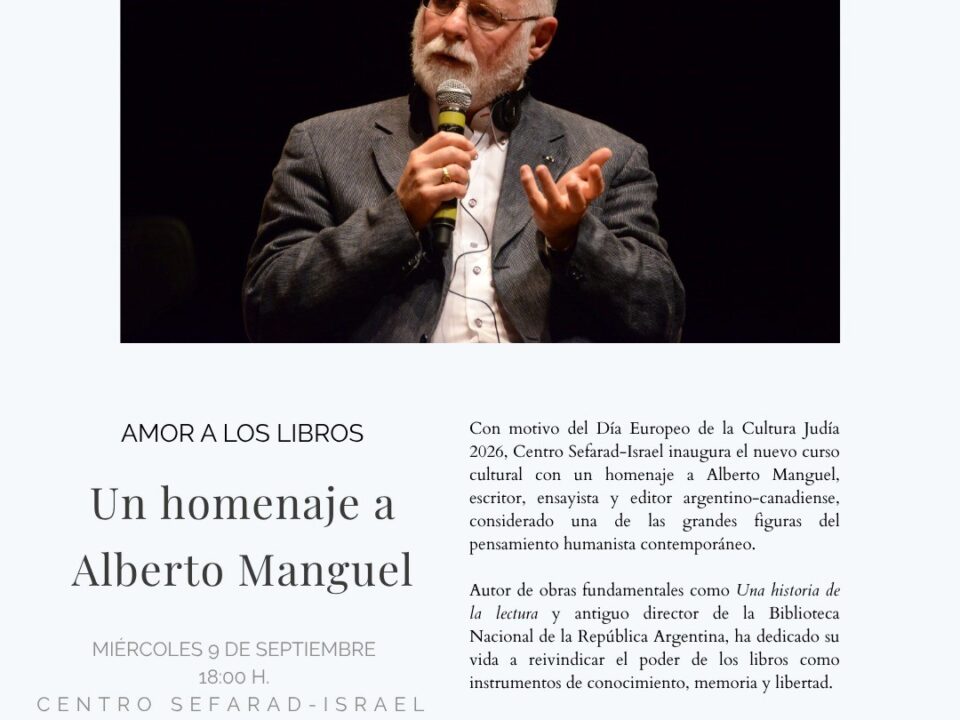
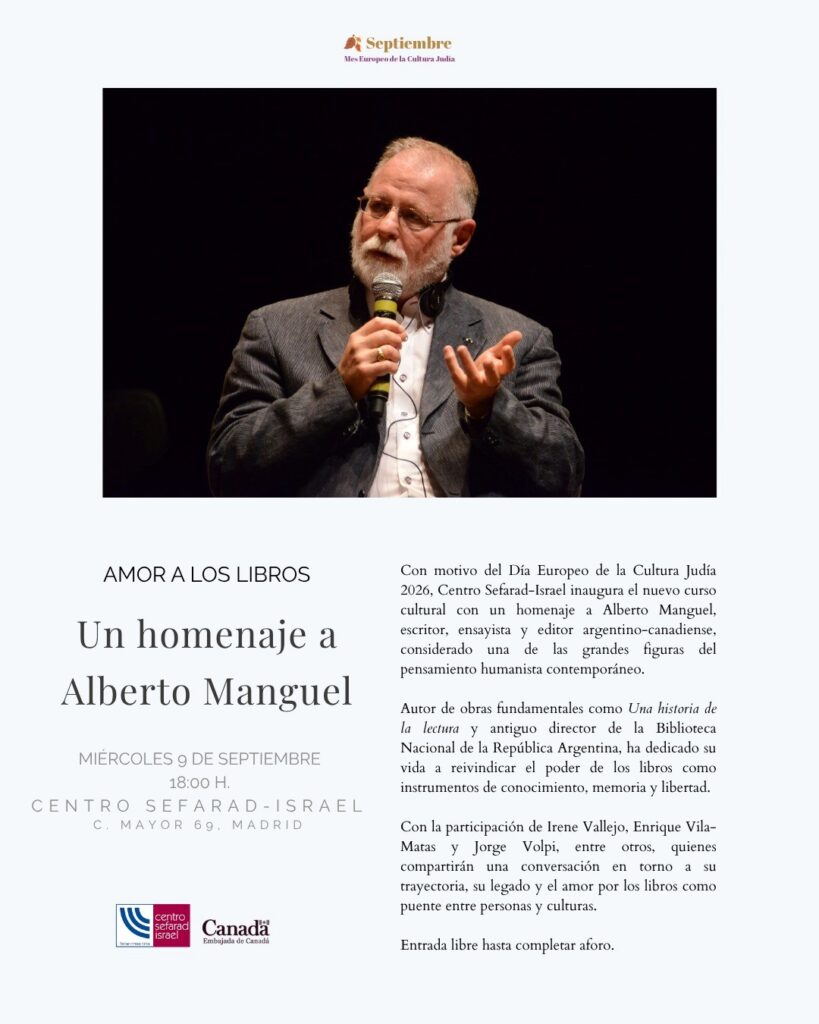
To kick off the new academic year and as part of European Jewish Culture Day 2026, Centro Sefarad-Israel pays tribute to one of the leading figures in contemporary thought and literature. This conversation will feature prominent writers and friends of the honoree, including Irene Vallejo, Enrique Vila-Matas, Jorge Volpi, and Elena Martínez Bavière, who will share their reflections on his intellectual journey, his legacy, and the enduring relevance of his work.
“Books are our memory and our imagination; through them we learn to understand others and to understand ourselves.” That conviction has guided the life and work of Alberto Manguel, writer, essayist, editor, and one of the great advocates of reading in our time. From his youth, when he read aloud to Jorge Luis Borges, to his tenure as director of the National Library of Argentina and his extensive body of essays, Manguel has championed reading as an experience of freedom, reflection, and connection with others.
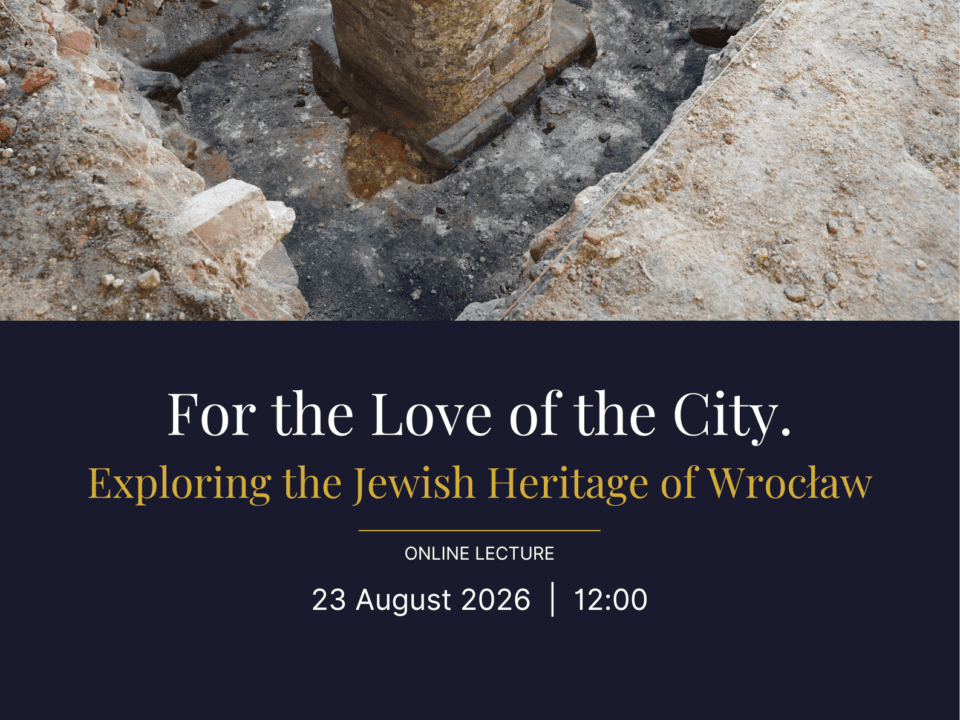
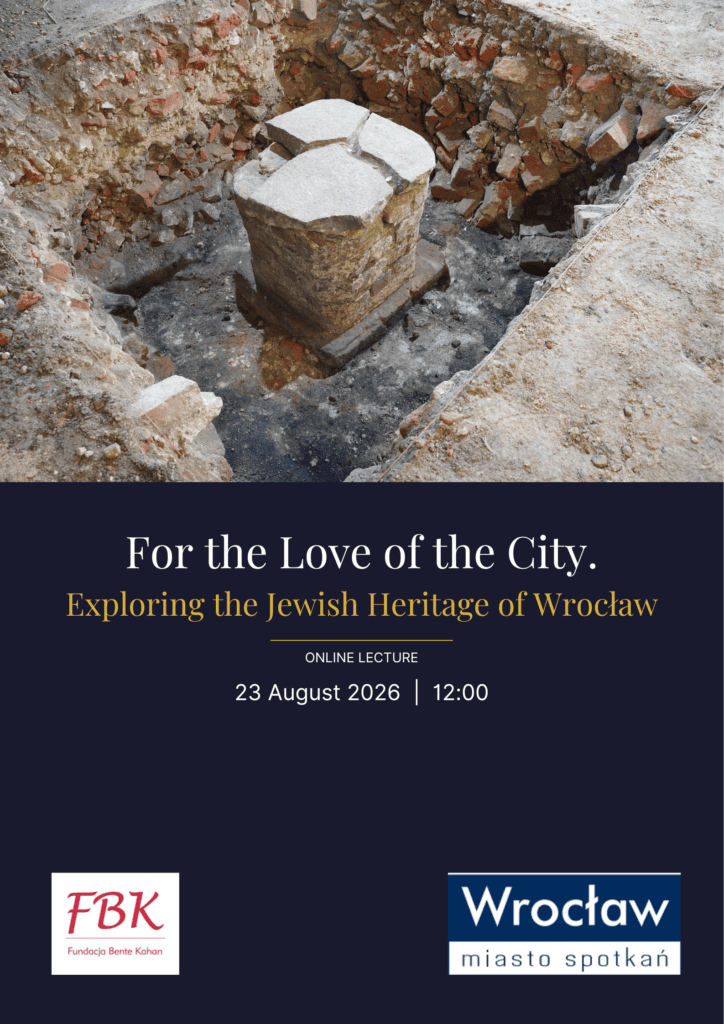
For the Love of the City. Exploring the Jewish Heritage of Wrocław
During this event, we will examine a particular dimension of love – love for the city, expressed through the study, preservation, and popularisation of its history.
The lecture will explore both historical and contemporary research on the Jewish heritage of Wrocław, as well as the thread that connects them. The starting point will be the figure of Alfred Grotte – an architect, researcher of synagogues, and scholar of medieval Jewish history and architecture in Wrocław, as well as one of the founders of the pre-war Jewish Museum in the city. Grotte was among the first to systematically document the Jewish heritage of Silesia, without knowing that it would soon become evidence of a destroyed culture.
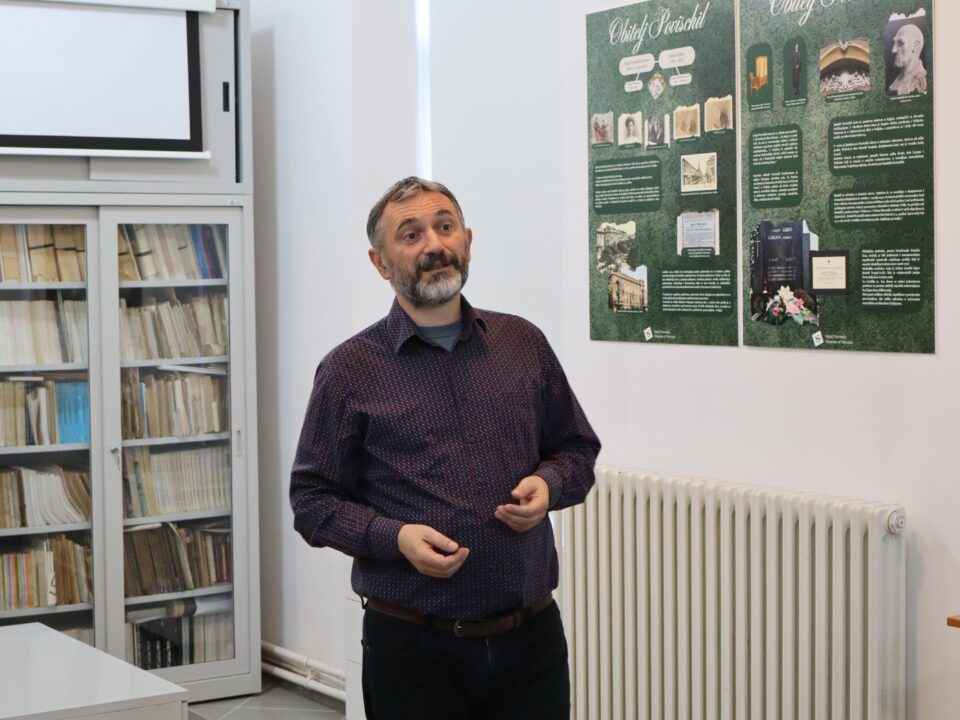
This lecture will explore the themes of homeland, belonging and identity through the personal and collective experience of the Jewish community. The lecture will focus on the connection to Croatia as the homeland where the Jewish community has lived for centuries, and to Israel as the historical and spiritual homeland of the Jewish people, highlighting the importance of dialogue, mutual understanding and multiple identities.
Lecturer: Damir Lajoš
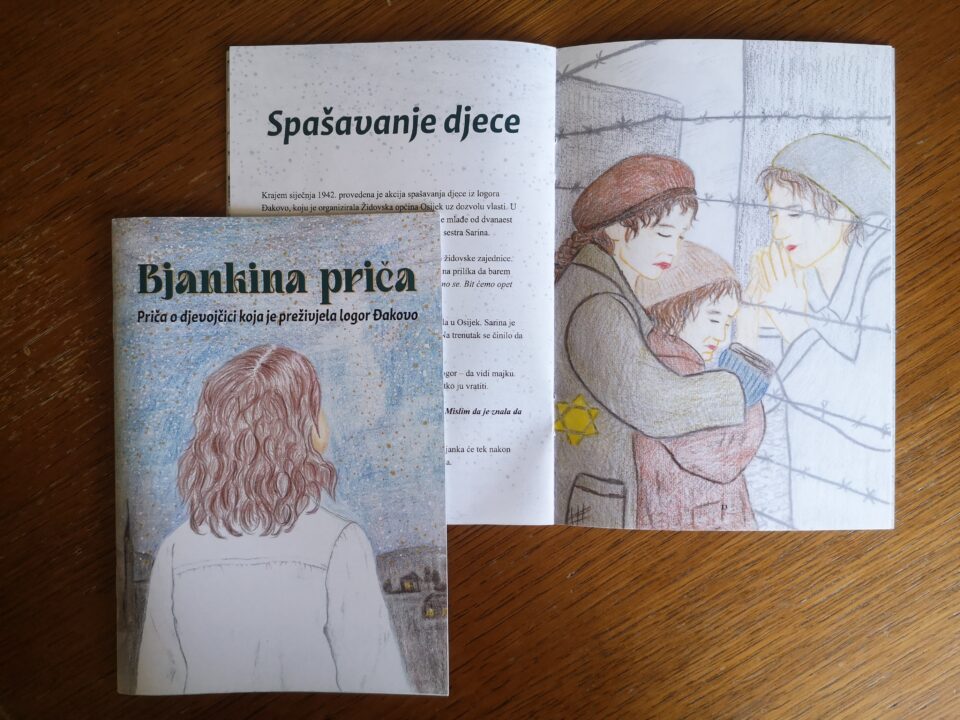
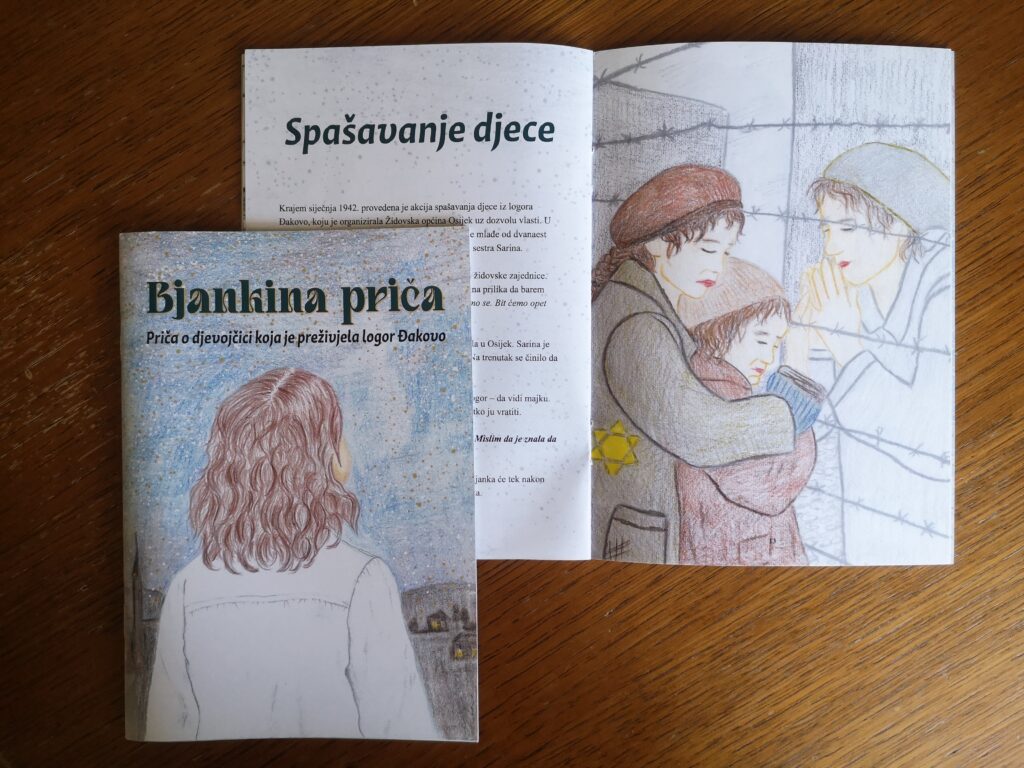
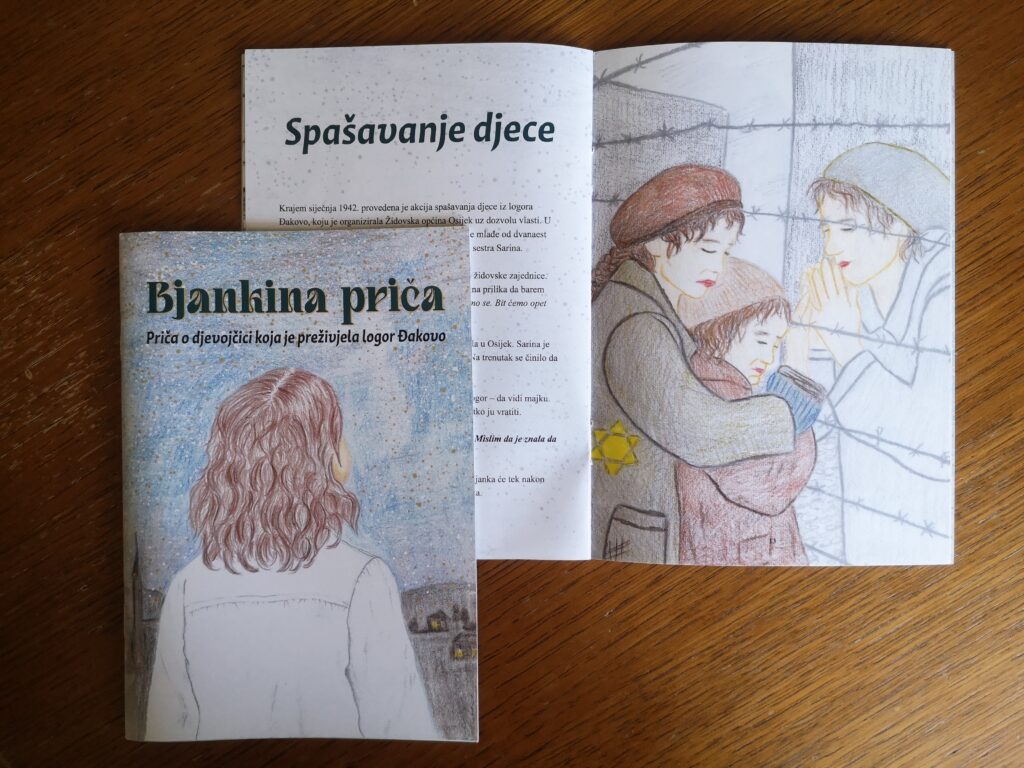
The picture book Bianka’s Story was created with the aim of preserving the memory of Bianka Levi Auslender, a girl from Sarajevo who, during the Second World War, was imprisoned together with her mother, grandmother, and sister in the Đakovo concentration camp. Bianka was the only member of her family to survive the war – her sister was murdered in Auschwitz, while her mother and grandmother were killed and buried in Đakovo under their own names.
Based on Bianka Levi Auslender’s authentic testimony, the picture book presents children and young people with a sensitive and age-appropriate story of a wartime childhood, loss, fear, but also hope, resilience, and the importance of remembrance.
The picture book was created as part of the project Bianka’s Story – A Memory That Teaches Us, through the joint work of students and teachers from Vladimir Nazor Primary School and A.
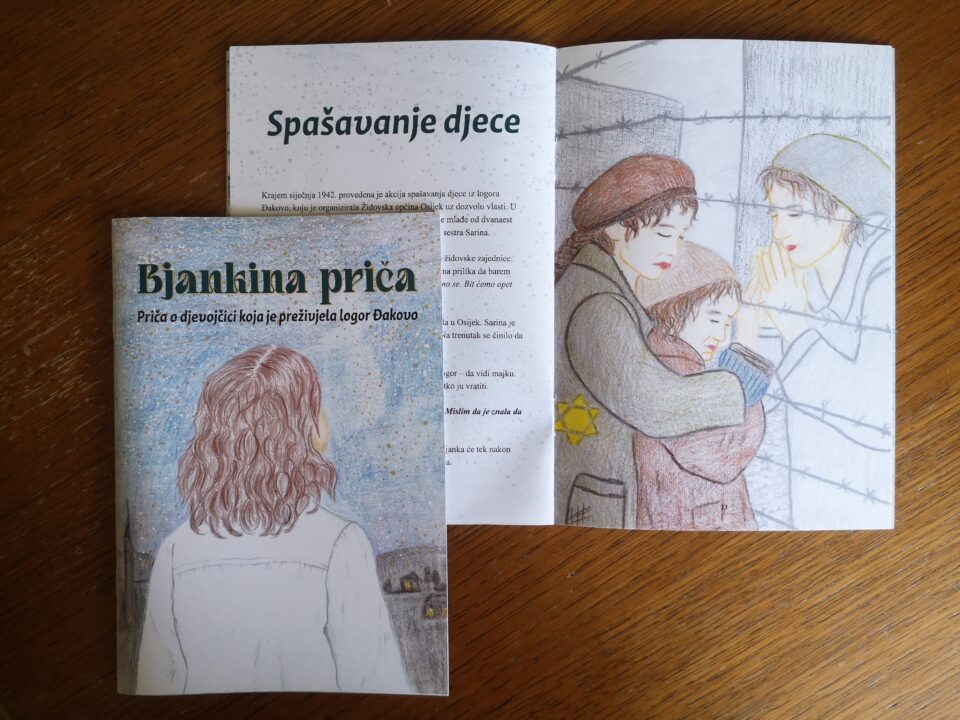
The picture book Bianka’s Story was created with the aim of preserving the memory of Bianka Levi Auslender, a girl from Sarajevo who, during the Second World War, was imprisoned together with her mother, grandmother, and sister in the Đakovo concentration camp. Bianka was the only member of her family to survive the war – her sister was murdered in Auschwitz, while her mother and grandmother were killed and buried in Đakovo under their own names.
Based on Bianka Levi Auslender’s authentic testimony, the picture book presents children and young people with a sensitive and age-appropriate story of a wartime childhood, loss, fear, but also hope, resilience, and the importance of remembrance.
The picture book was created as part of the project Bianka’s Story – A Memory That Teaches Us, through the joint work of students and teachers from Vladimir Nazor Primary School and A.
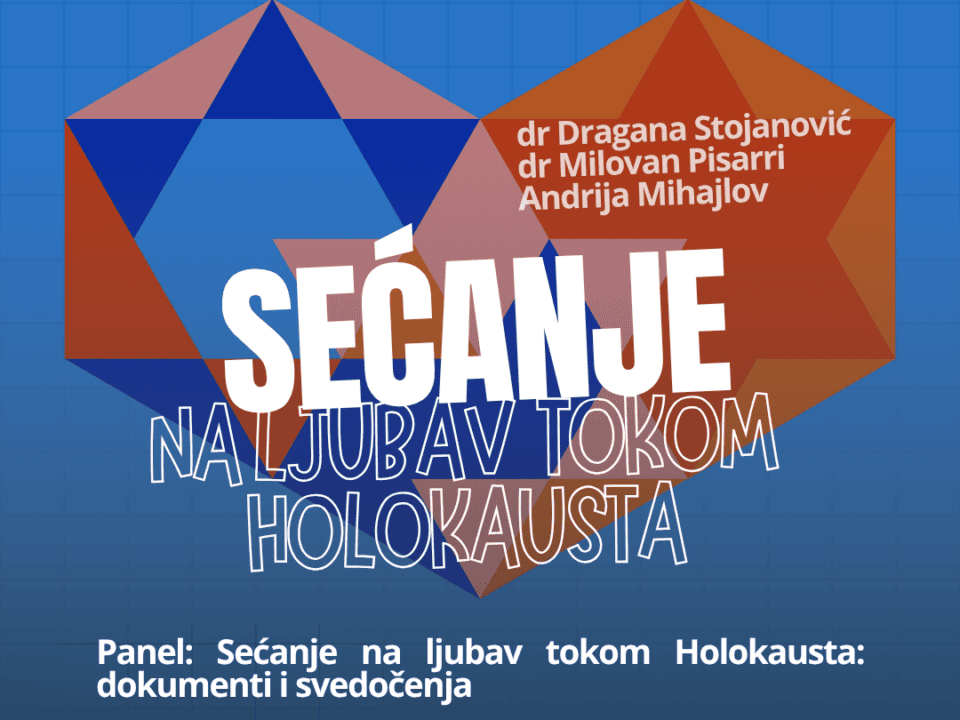
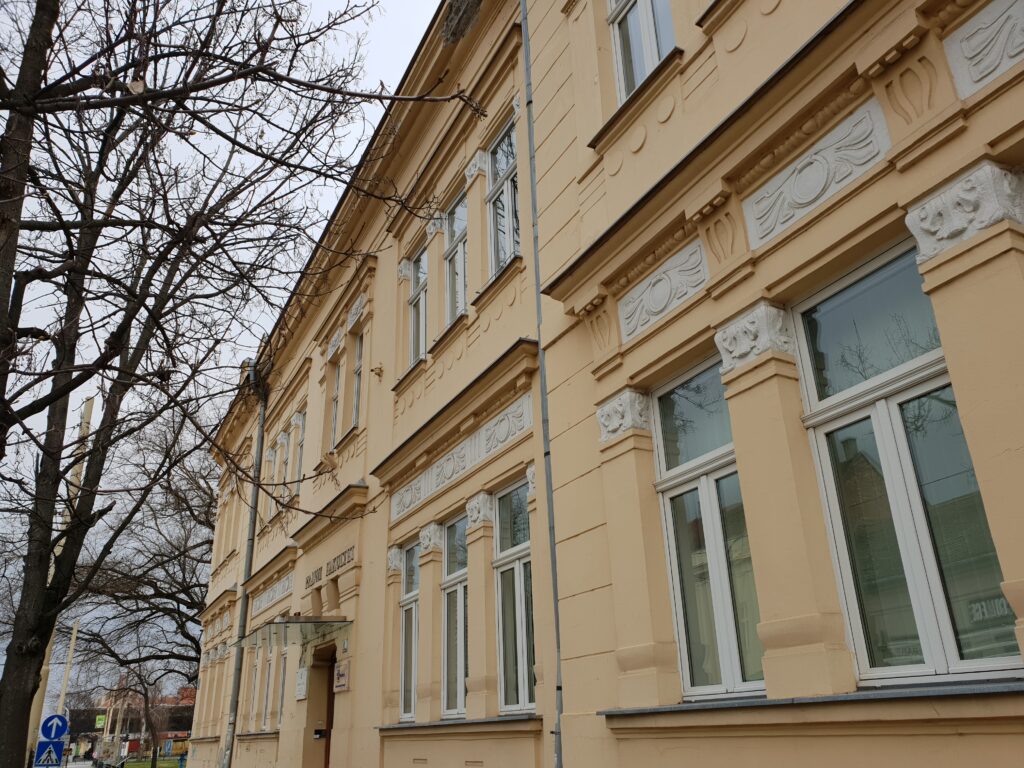
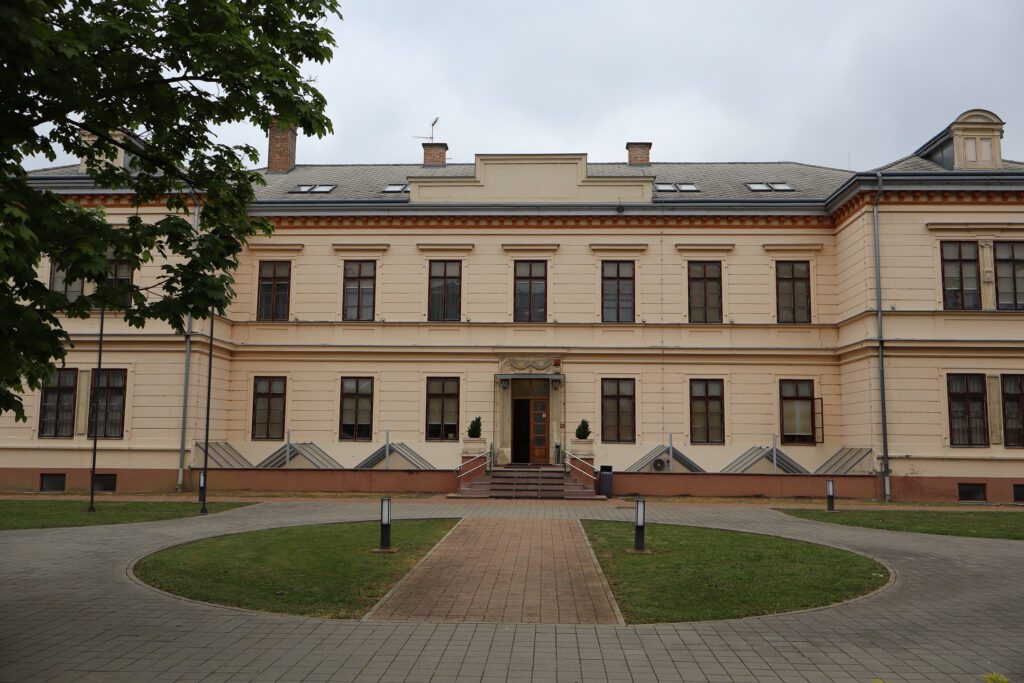
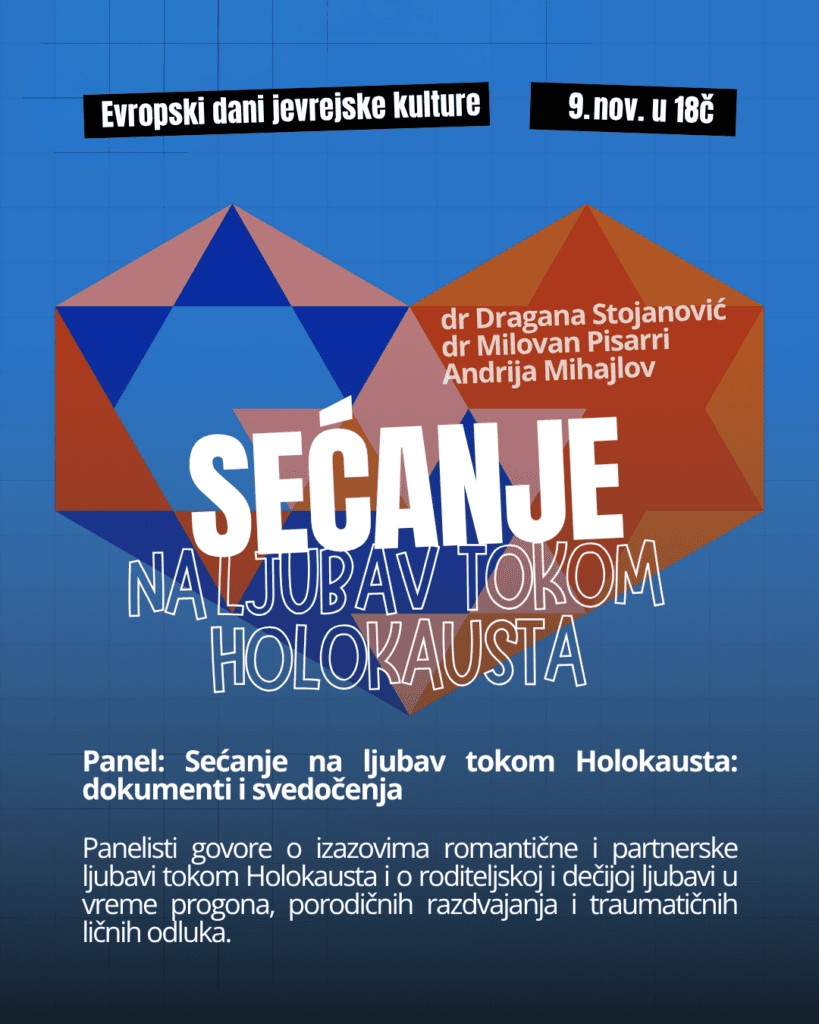
This panel explores everyday realities of love during the Holocaust through analysis of preserved documents, letters, diaries, memoirs, and survivor testimonies. The panelists will discuss the challenges of romantic love and intimate partnerships during the Holocaust, as well as parental and filial love in times of persecution, family separation, and traumatic personal decisions. The discussion will also address the complex relationships between children and their parents in the postwar period, following years spent in hiding. The aim of this panel is to analyze the significance and role of historical sources in understanding the everyday manifestations of love under the complex conditions of persecution, suffering, and survival during the Holocaust.
Panelists:
Dr. Milovan Pisarri, Research Fellow, Shoah Lab, Institute for Philosophy and Social Theory, University in Belgrade
MA Andrija Mihajlov, Research Assistant, Shoah Lab, Institute for Philosophy and Social Theory, University in Belgrade
Moderator: Dr.