Mi Dor Le Dor Europe Toolbox Holds Kick-off Meeting in Lleida
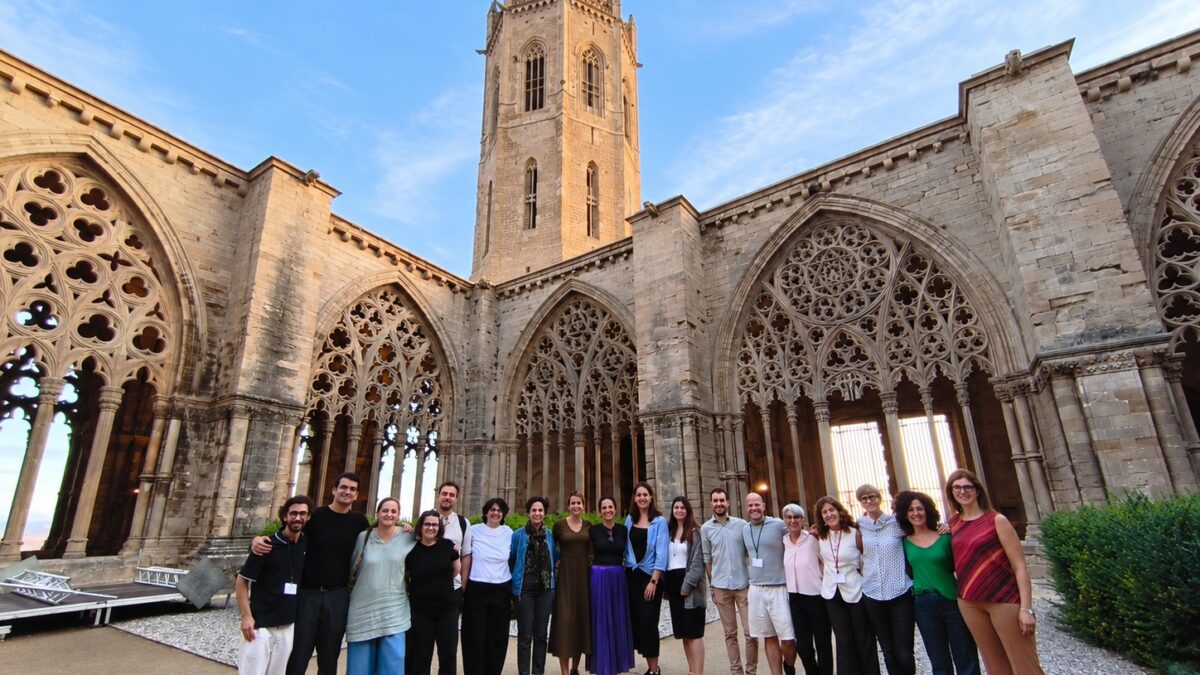
AEPJ brought together the partners of Mi Dor Le Dor Europe Toolbox in Lleida, Catalonia, for a two-day kick-off meeting at the Museum of Lleida. The meeting opened the programme’s second European edition, which runs from 2026 to 2028.
Mi Dor Le Dor uses Jewish heritage as a basis for learning, dialogue and reflection on today’s European societies. The first European edition reached 261 practitioners and led to 72 educational projects; the Toolbox project now sets out to turn that experience into resources tailored to each national context.
Co-funded by the European Union through its Citizens, Equality, Rights and Values (CERV) programme, the new edition focuses especially on the struggle for equality of Jews, Roma and other minorities. The goal is to help educators convey the complexity of Jewish life, history and heritage, and to give audiences the tools to recognise and challenge prejudice.
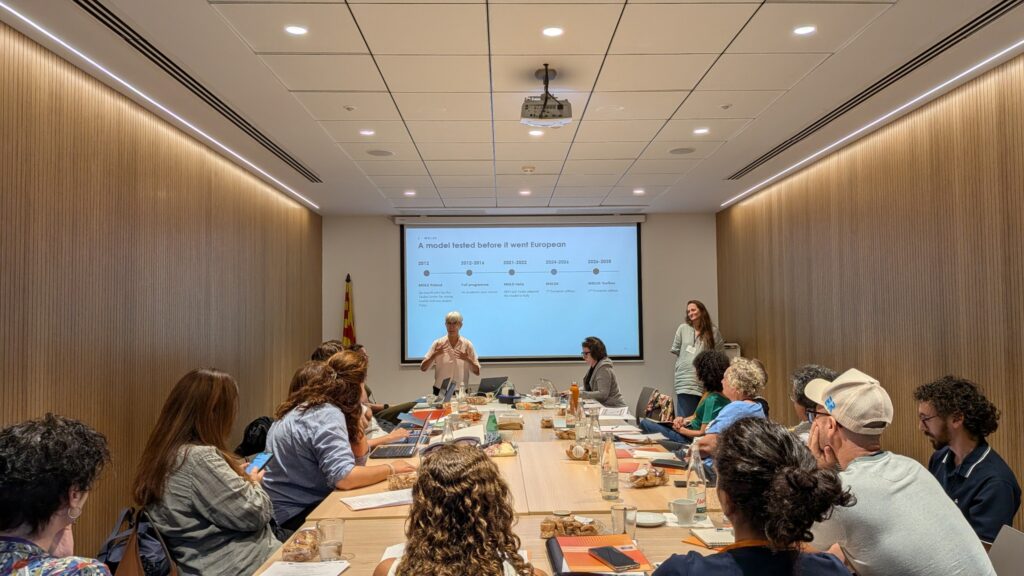
In Lleida, partners took part in a hands-on workshop on the MDLD methodology, focusing on object-based learning: they examined a series of images of sukkot and discussed what could be learned from them. The first training for trainers will follow in November in Ferrara and Venice, led by the Taube Center for Jewish Life & Learning, Centropa Germany, the Fondazione per i Beni Culturali Ebraici in Italia (FBCEI) and AEPJ.
Over the course of the project, partners will develop six national toolboxes for Bosnia and Herzegovina, Italy, Moldova, Poland, Spain and Ukraine. Each will draw on approaches such as learning through objects and sites, collecting oral histories and working with historical documents and photographs. The programme will train more than 150 local educators, with additional seminars for museum educators, secondary-school teachers and cultural route managers. Eighty pilot activities will then test these methods with the public.
The meeting laid the foundations for what the partners hope will become a lasting European network of educators and heritage professionals, able to make Jewish heritage accessible and relevant, and to use it as a starting point for dialogue about equality and belonging.
Co-funded by the European Union. Views and opinions expressed are however those of the author(s) only and do not necessarily reflect those of the European Union or the European Education and Culture Executive Agency (EACEA). Neither the European Union nor the granting authority can be held responsible for them.