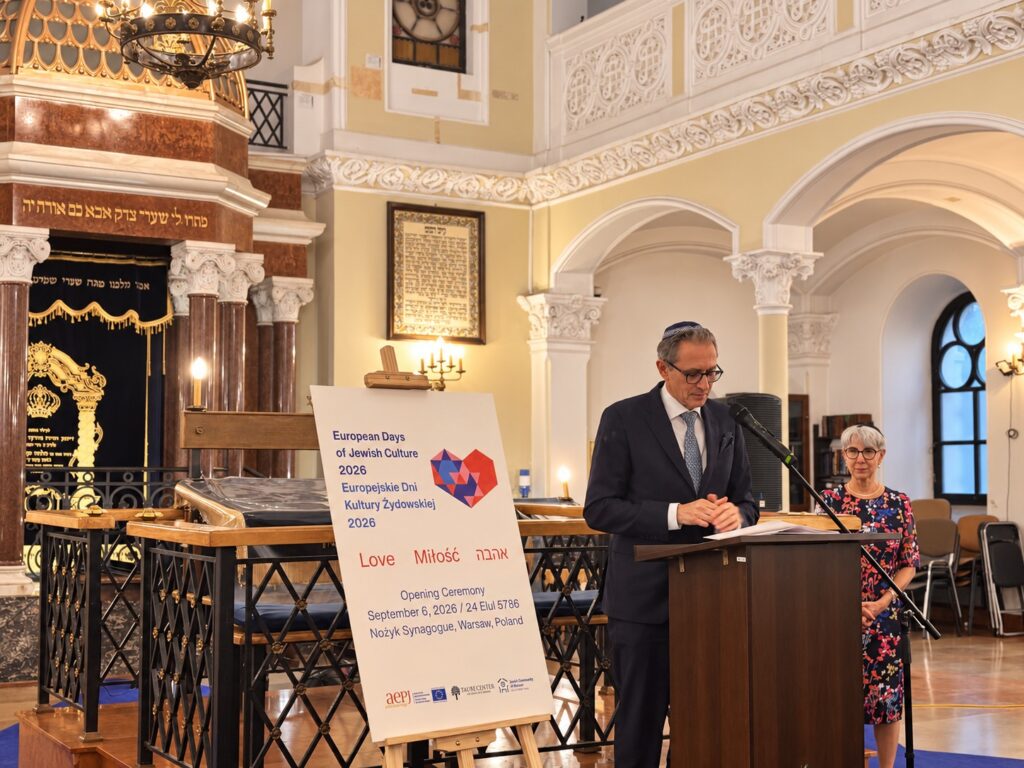
European Commission Handbooks on Jewish Life and Heritage Officially Launched in Warsaw
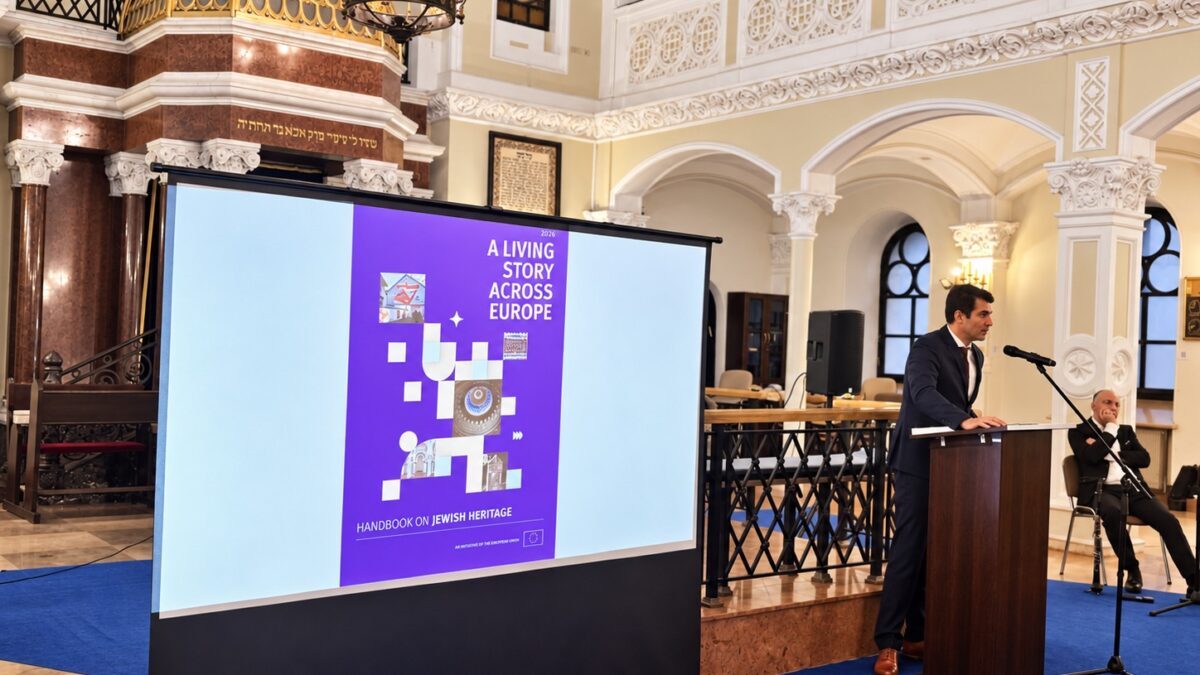
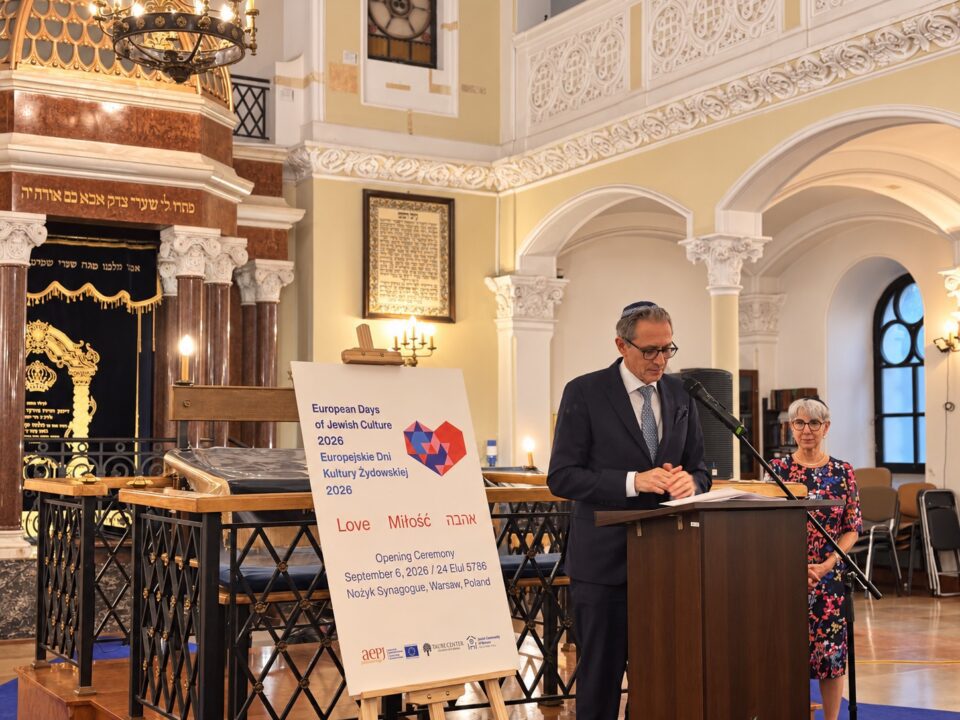
WARSAW, 6 September 2026 – Two new European Commission handbooks developed by the AEPJ were officially launched in Warsaw on 6 September, coinciding with the inauguration of the 27th European Days of Jewish Culture (EDJC). The publications offer new tools for understanding, safeguarding and fostering Jewish heritage and contemporary Jewish life across Europe.
The handbooks – A Living Story Across Europe: Handbook on Jewish Heritage and Presence, Plurality, Continuity: Handbook on Fostering Jewish Life in Europe – were developed by the AEPJ at the request of the European Commission under the EU Strategy on combating antisemitism and fostering Jewish life 2021–2030, . They are intended to help public authorities, heritage professionals, cultural organisations, communities and the wider public make Jewish life and heritage more visible, better understood and more firmly recognised as an integral part of Europe.
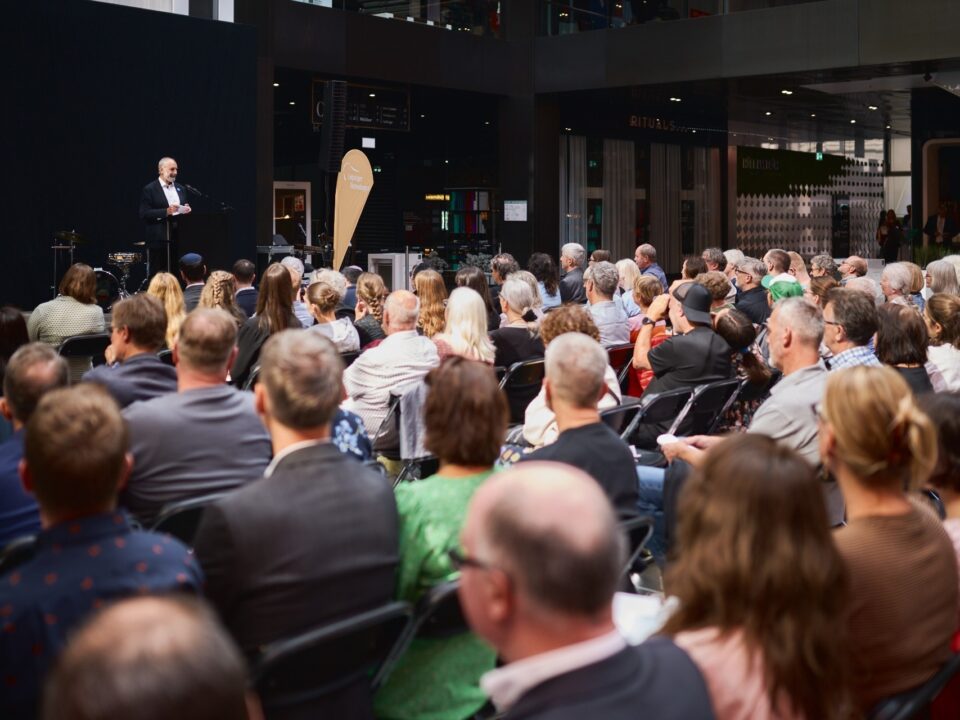
Their presentation in Warsaw formed part of the official European launch of this year’s EDJC, held under the theme LOVE and bringing together representatives of Jewish communities, cultural organisations, public authorities and AEPJ partners. AEPJ Director Victor Sorenssen presented the publications during the programme, placing them within the association’s broader work to strengthen Jewish culture and heritage across the continent.
 Jewish heritage as a living European story
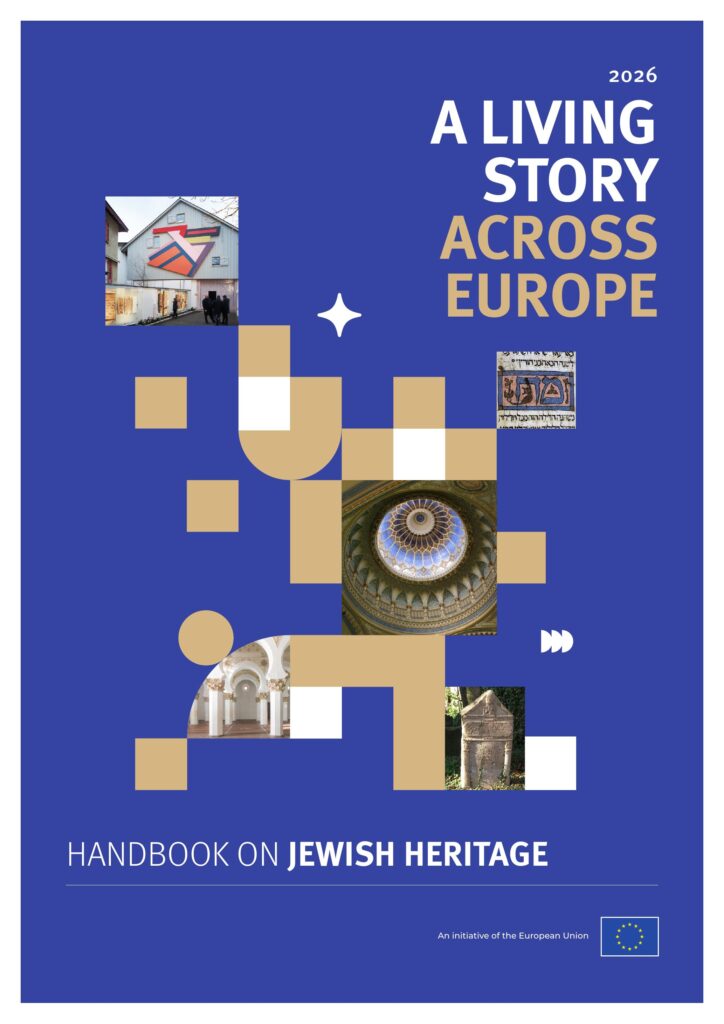
A Living Story Across Europe: Handbook on Jewish Heritage – read and download presents Jewish heritage as a living and continuous part of European history, culture and identity.
Rather than simply cataloguing sites, the handbook explores the broader ecosystem in which Jewish heritage is preserved, documented and showcased today. It highlights innovative initiatives, European and international cooperation projects, networks and partnerships that are developing new approaches to the interpretation and transmission of Jewish heritage across the continent.
A central feature of the publication is the diversity of voices and expertise it brings together. Contributions from specialists working across different countries, disciplines and areas of Jewish heritage offer perspectives on current challenges, emerging practices and opportunities for stronger collaboration. The handbook draws these experiences together into a series of recommendations for public authorities, heritage professionals, cultural organisations and communities, with the aim of supporting future policy and practical action.
The publication also provides a broad overview of Jewish heritage across 30 European countries, illustrating the extraordinary diversity of sites, cultural landscapes and historical experiences found across Europe.
At its core is the understanding that Jewish heritage is not simply a record of a vanished past. It is a resource for contemporary communities and societies, one that can contribute to education, intercultural dialogue, democratic culture and a richer understanding of Europe’s complex history.
 Fostering vibrant Jewish life today
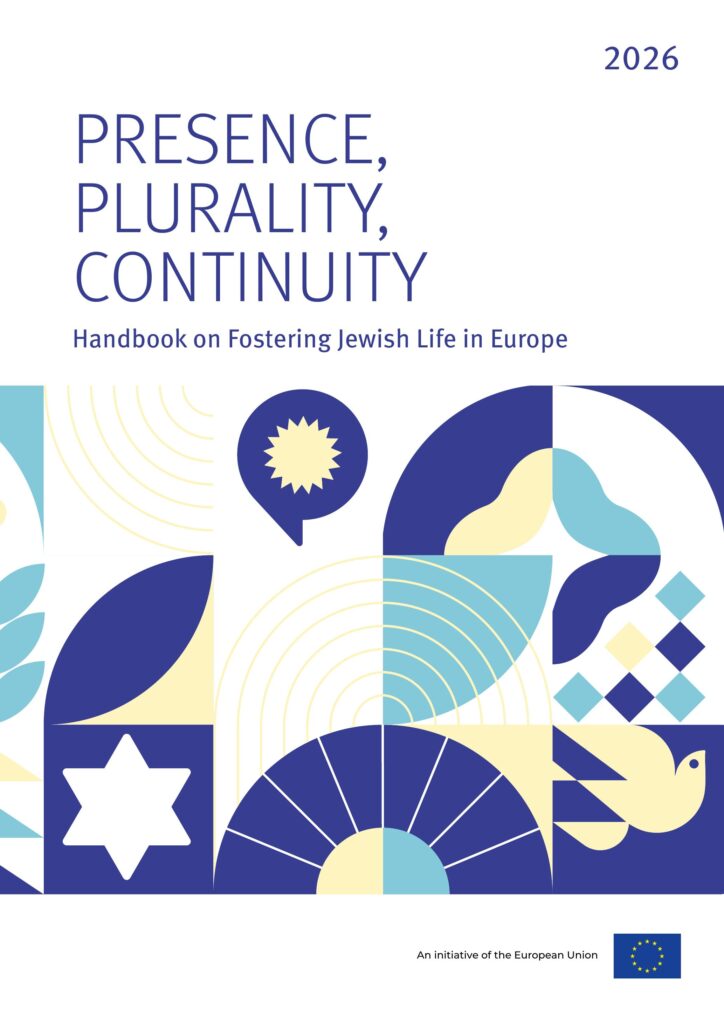
Presence, Plurality, Continuity: Handbook on Fostering Jewish Life in Europe – read and download turns the focus towards contemporary Jewish life and the conditions needed for it to flourish.
Designed as a resource for the wide range of actors who shape the conditions of Jewish life in Europe, the Handbook on Fostering Jewish Life in Europe speaks to Jewish communities, public authorities, civil society organisations, educators, cultural institutions, policymakers and European stakeholders alike. Its starting point is deliberately broader than conventional policy approaches: Jewish life is presented not as a fixed category, a minority issue or a heritage to be preserved, but as a living and evolving reality shaped by culture, education, religious practice, civic participation, community structures, transmission and everyday forms of belonging.
One of the handbook’s most original contributions is precisely this shift in perspective. It moves beyond responding to antisemitism, insecurity or moments of crisis and asks what is needed for Jewish life to flourish, develop and remain visible and meaningful over time. Bringing together analysis, expert perspectives, voices from Jewish communities across Europe, policy examples and practical recommendations, it proposes a shared framework through which different actors can better understand their respective roles and work together to strengthen presence, plurality and continuity. In doing so, it positions fostering Jewish life not as a concern of Jewish communities alone, but as part of the wider responsibility of European societies to sustain diversity, participation and cultural continuity.
Together, the two publications connect heritage and living culture, memory and continuity. They reflect an approach that sees protecting Jewish heritage not only as preserving monuments and historical traces, but also as creating the conditions in which Jewish culture, communities and identities can continue to develop and contribute to European society.
The AEPJ extends its thanks to Luca Baraldi and Brigitte Sion for their involvement in these important publications, as well as everyone whose knowledge, experience and commitment contributed to bringing them to fruition.
We invite heritage professionals, municipalities and public authorities, cultural and educational organisations, researchers, Jewish communities and all interested readers to explore both handbooks.
Read them, download them and share them with your networks. By putting these resources into the hands of those working with Jewish heritage and Jewish life across Europe, we can help turn their recommendations and knowledge into practical action – strengthening the visibility, understanding and continuity of Jewish life for generations to come.