European Parliament Hosts High-Level Event on Jewish Heritage, Spotlighting European Days of Jewish Culture and Unveiling New EU Handbooks
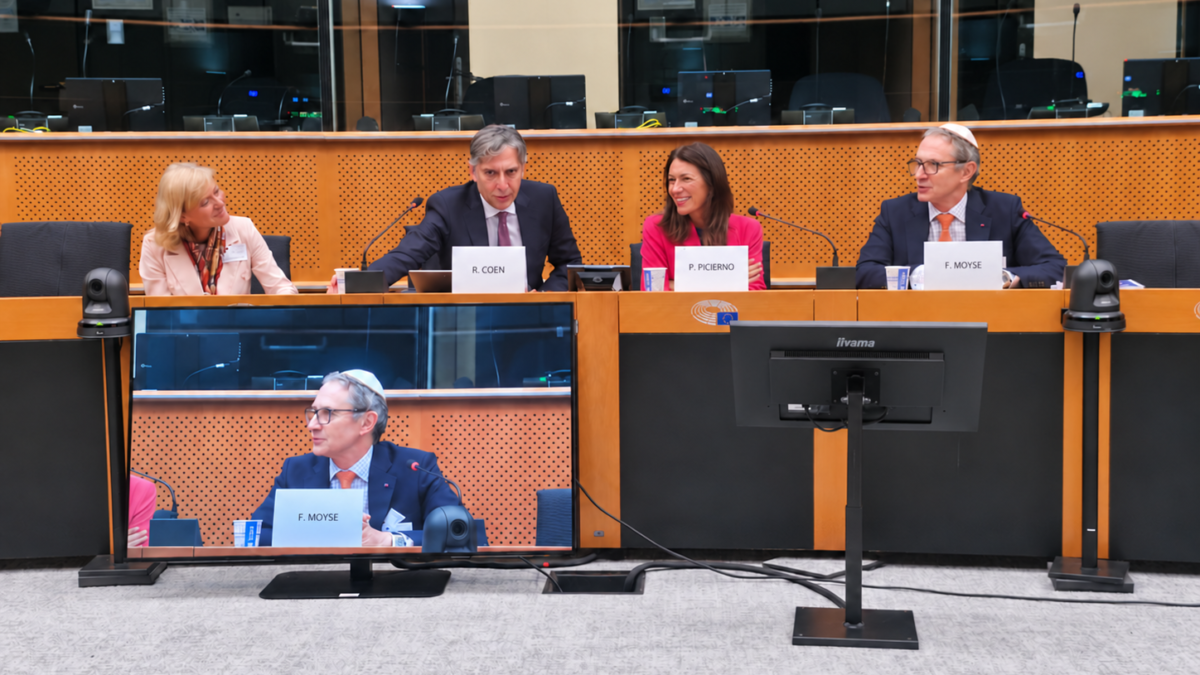
BRUSSELS — European leaders, AEPJ representatives, cultural networks and policy experts gathered at the European Parliament on 13 October to highlight Jewish heritage and contemporary Jewish life as indispensable components of Europe’s democratic identity.
Opening the proceedings as host of the meeting, Pina Picierno, Vice-President of the European Parliament, emphasised that Jewish culture is deeply woven into Europe’s languages, literature, architecture, philosophy and urban history. “Defending Jewish life is not a favor we do to a community,” she declared, “it is a defense of our own values and of the Europe we want to build.”
Following the Vice-President, François Moyse, President of AEPJ, outlined the organisation’s role in connecting European institutions with grassroots communities, emphasising that European Jewish heritage links cultural rights with historical memory, diversity with belonging, and the preservation of the past with the resilience of democracy. He traced the organisation’s trajectory from safeguarding neglected local synagogues to establishing cross-border partnerships with municipal networks such as Spain’s Red de Juderías de España. Moyse also highlighted AEPJ’s crucial role in the Simone Veil Prize, established by the European Commission to honour the legacy of the former European Parliament President, whose work embodies fundamental rights and European integration.
European Days of Jewish Culture and Living Heritage
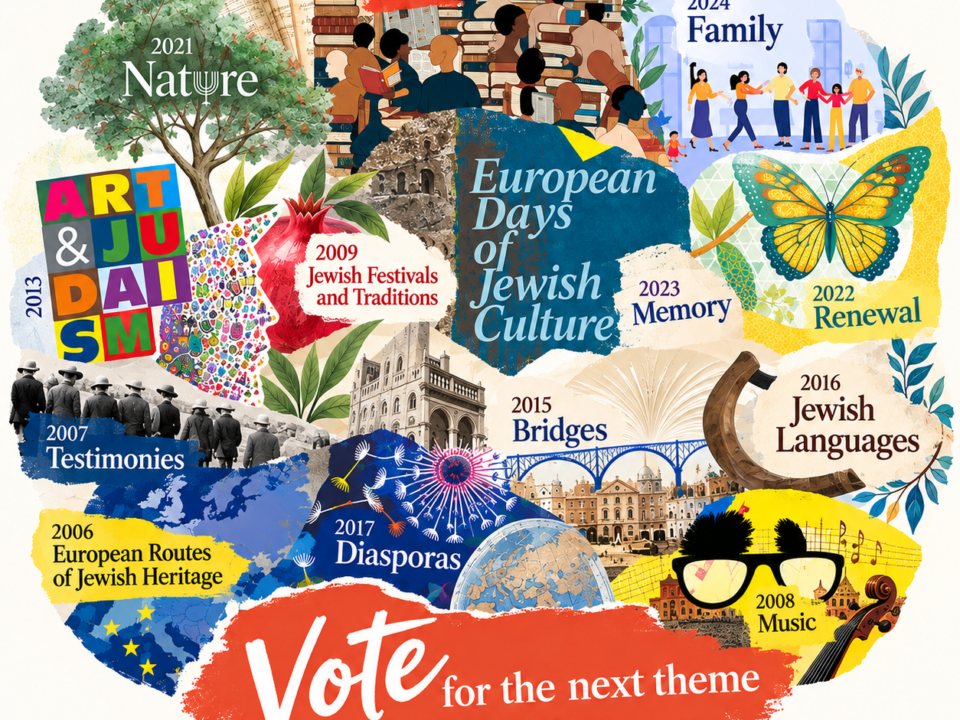
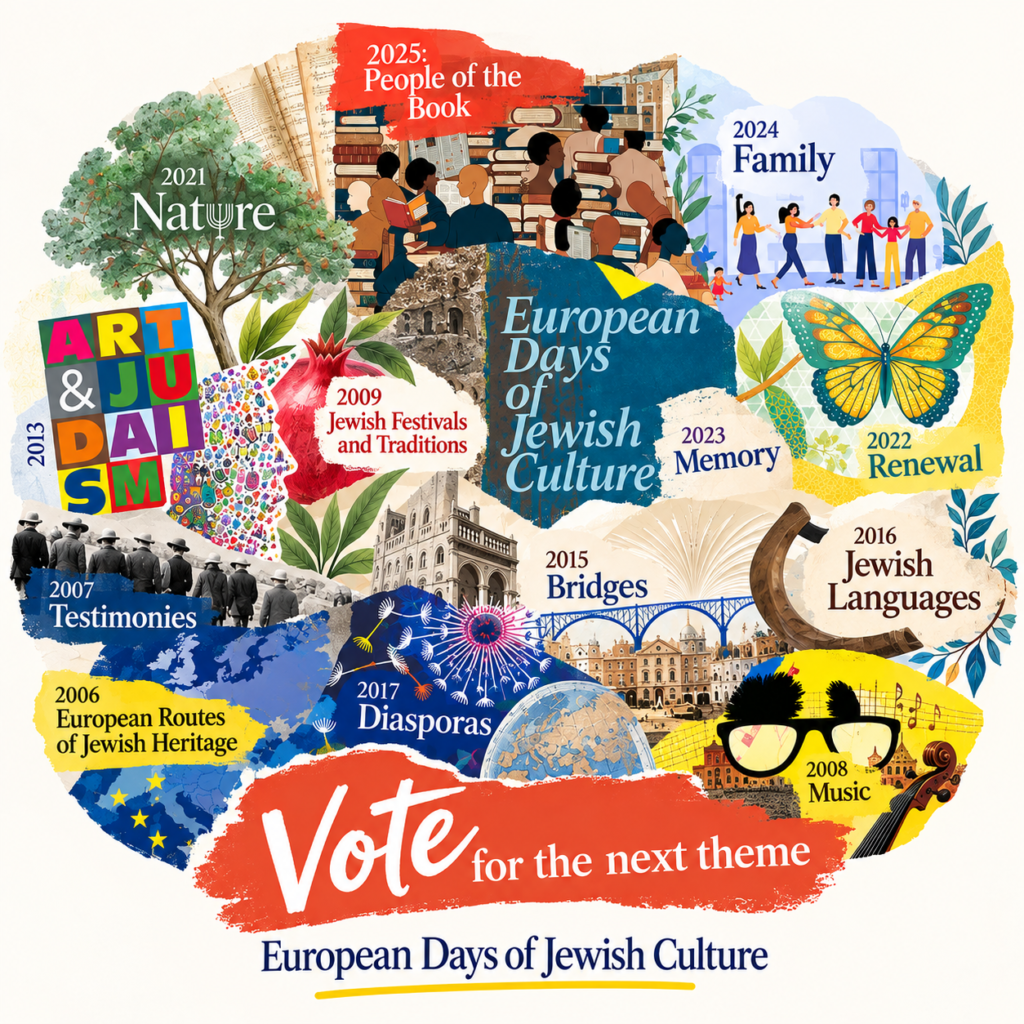
Spotlighting AEPJ’s flagship initiative, the conference showcased the European Days of Jewish Culture (EDJC). Centred on this year’s theme of “Love” — exploring devotion, community and intellectual partnership — the presentation invoked the 500-year-old Venice Talmud page as a compelling visual metaphor for Europe itself. Printed in Venice by a Flemish Christian printer working alongside Jewish scholars, the Talmud page gathers diverse, debating voices into a single shared space where minority opinions are preserved for future generations.
Bringing that spirit to life across 32 countries and 151 towns, the EDJC currently engages 41 municipalities through the “Cities Embracing Jewish Heritage” network. This cultural vision was further underscored by a live klezmer performance by the ensemble Balagor, whose repertoire in Ladino, Yiddish and Hebrew filled the Parliament with the vibrant sounds of European Jewish tradition.
Launch of European Commission Handbooks
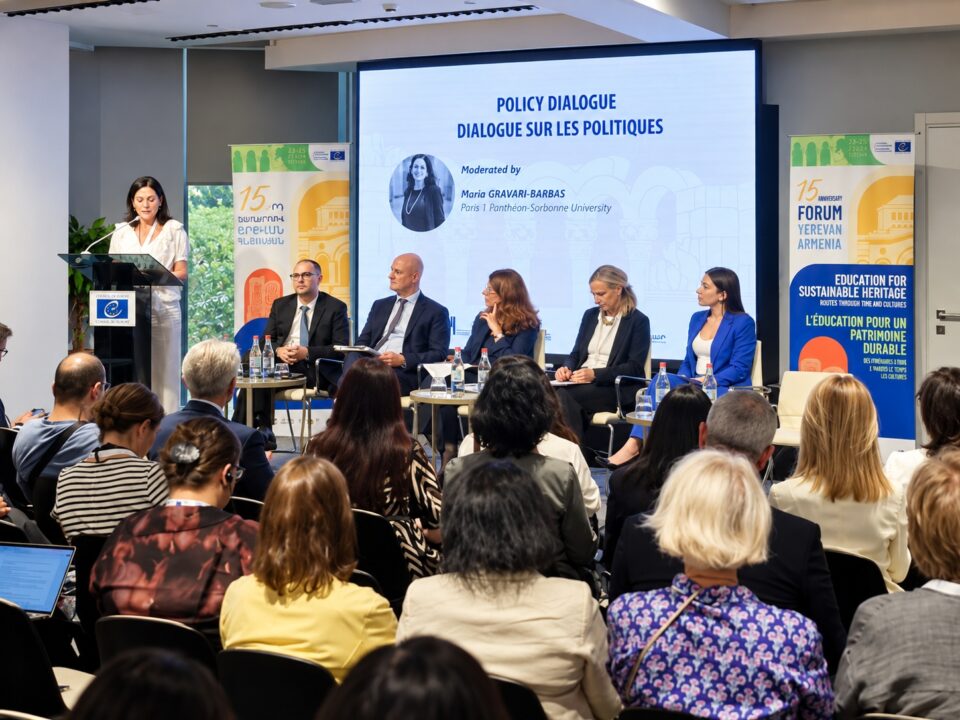
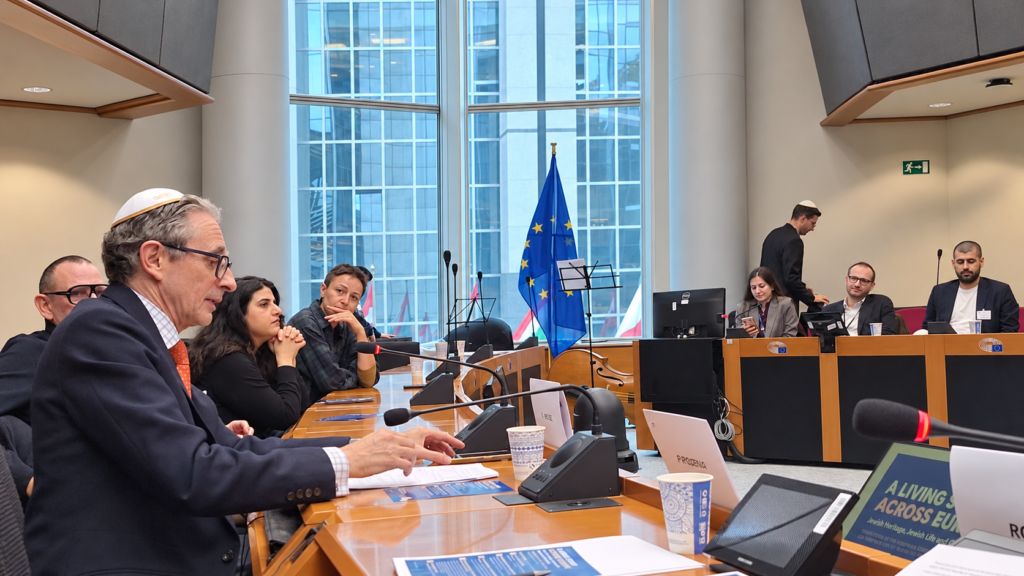
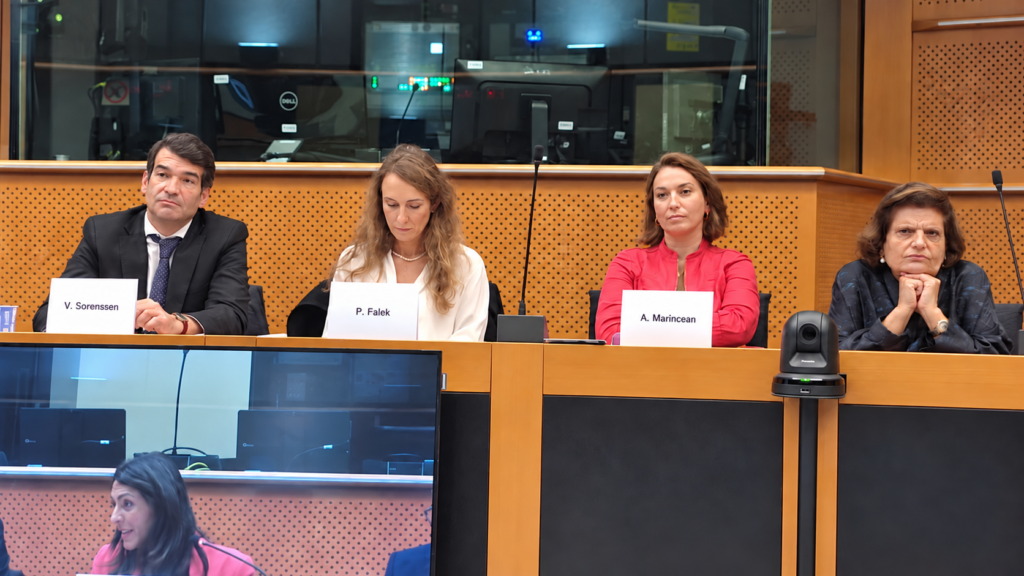
The programme then moved to a panel session presenting two major publications commissioned by the European Commission: “A Living Story Across Europe: Handbook on Jewish Heritage” and “Presence, Plurality and Continuity: Handbook on Fostering Jewish Life in Europe”. Invited guest speaker Pascale Falek, Policy Officer at the European Commission, introduced the handbooks as concrete deliverables under the EU Strategy on Combating Antisemitism and Fostering Jewish Life (2021–2030).
Recalling European Commission President Ursula von der Leyen’s principle that “Jewish history is European history, and Jewish culture is European culture”, Falek stressed that preserving historical memory and supporting contemporary community life are mutually reinforcing efforts.
Brigitte Sion, a contributor to the handbooks, explained that the editorial methodology deliberately moved away from viewing Jewish heritage strictly through the lens of static ruins or past tragedy. Instead, the handbooks emphasise living culture, digital archives and cross-border creation to foster direct collaboration between heritage institutions and local Jewish communities.
Concluding the panel, Victor Sorenssen, Director of AEPJ, called for dismantling “regimes of visibility” that spotlight Jewish life only during moments of crisis. “Jewish life is anchored in daily creativity, culture, and education,” Sorenssen noted, emphasising that building a shared language between grassroots organisers and European institutions helps secure a resilient, pluralistic future.
Concluding Call for European Cooperation
In his concluding remarks, François Moyse reflected on the deeper resonance of the event and the shared European mission:
“Jewish cultural heritage—these are words that mean more than the words themselves. We saw it today: we are building bridges, and it is absolutely necessary for all of us to spread this message.”
Quoting the philosopher Schopenhauer, he observed that every person takes the borders of their own field of vision to be the borders of the world. He concluded: “Let us go beyond our vision. Let us cooperate together, and let us continue making Europe in a positive sense together.”