The European Routes of Jewish Heritage Incubator 2026 Concludes with an International Conference in Trenčín
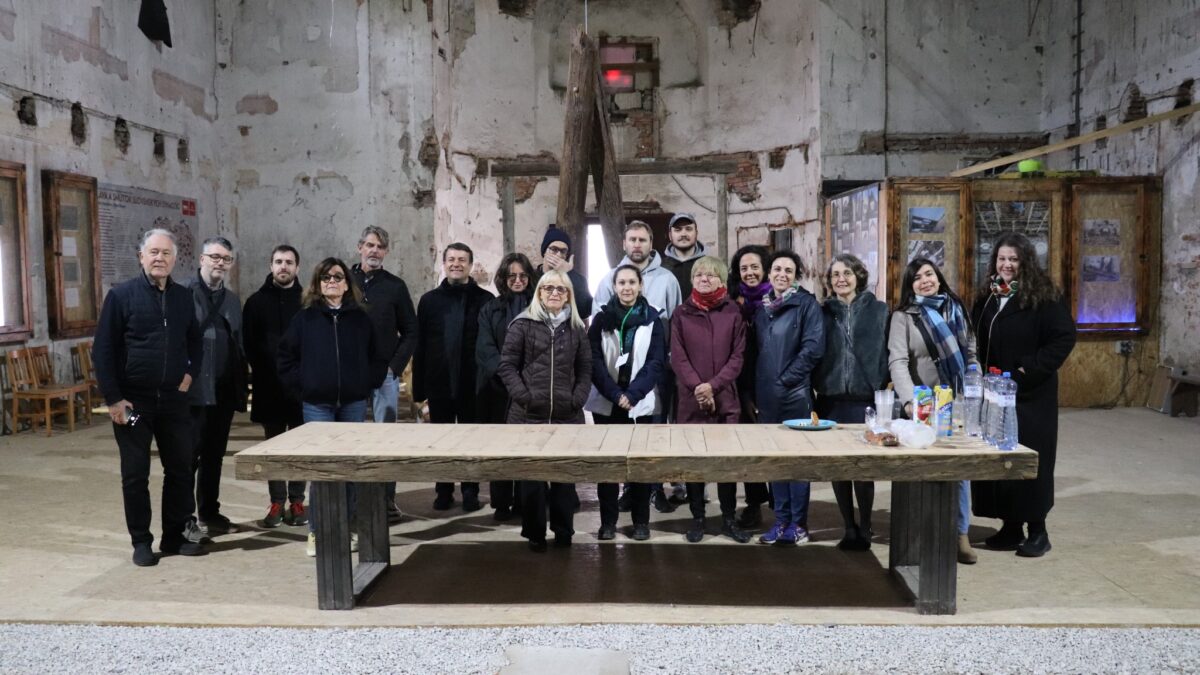
After opening in Bratislava, the eighth edition of the European Routes of Jewish Heritage Incubator travelled to Trnava and Trenčín, where a field trip, a workshop on local alliances and an international conference at the Trenčín Synagogue explored how Jewish heritage can drive local development.
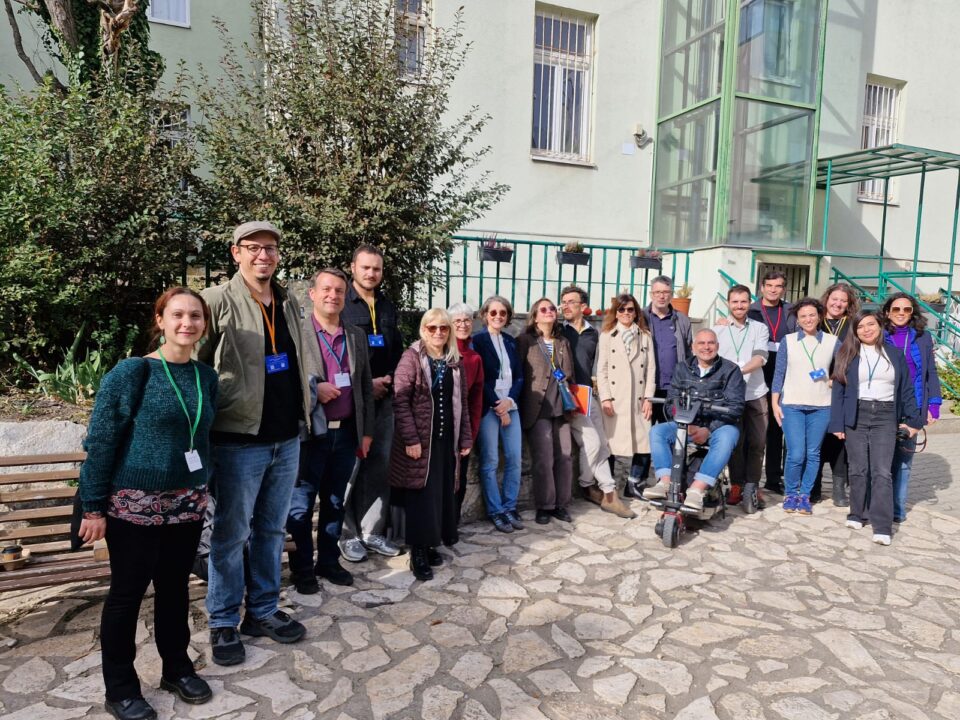
The European Routes of Jewish Heritage (ERJH) Incubator 2026, The contribution of Jewish heritage to local development, ended on Wednesday 21 October in Trenčín. Organised AEPJ in cooperation with the Jewish Heritage Foundation – Menorah, coordinator of the Slovak Jewish Heritage Route, the annual training meeting for ERJH Route managers, which brought together 27 participants representing 18 cultural routes, spent its second and third days moving from heritage sites in western Slovakia to the University of Trnava and, finally, to an international conference held as part of Trenčín 2026 – European Capital of Culture.
Jewish heritage across the Trnava region
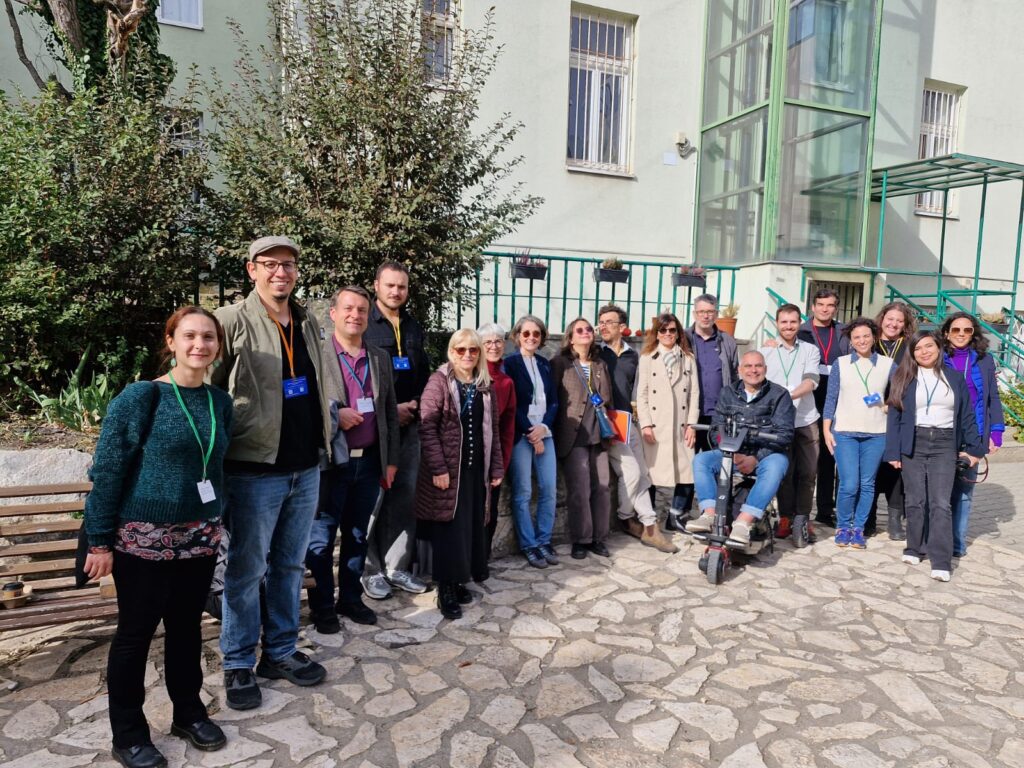
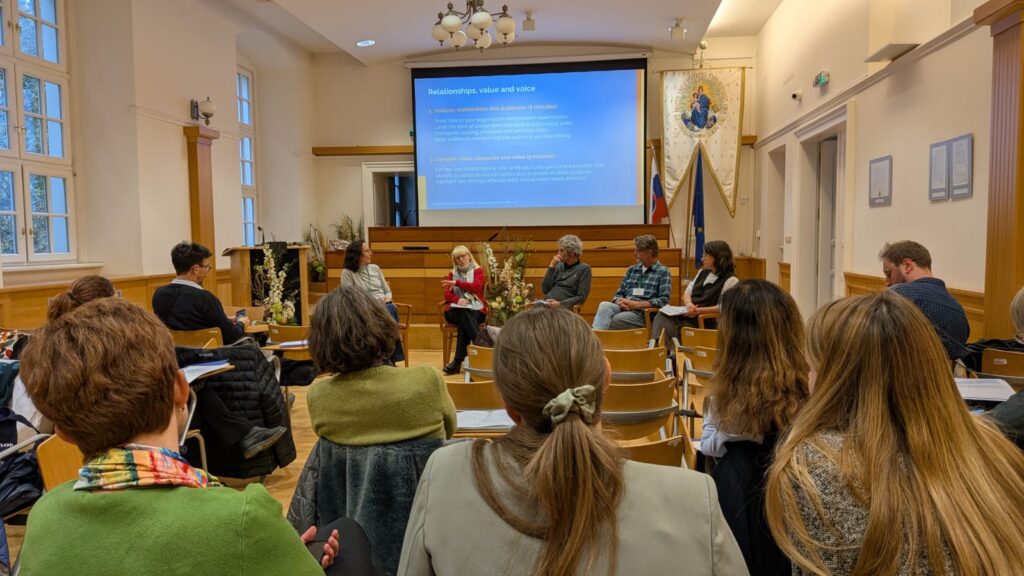
The second day was devoted to a field trip that let participants see first-hand how the Slovak Jewish Heritage Route works on the ground. Before leaving Bratislava, the group visited the Chatam Sofer Memorial, the resting place of one of the most influential rabbis of the 19th century and a major site of pilgrimage. The trip continued to the Šaštín Synagogue in Šaštín-Stráže, an example of the many heritage sites that survive in towns where Jewish communities are no longer present.
In the afternoon the Trnava Regional Tourism Board presented its work, an opportunity to discuss how Jewish heritage can be woven into the wider tourism offer of the region. The Incubator moved to the University of Trnava, where participants were welcomed by its Rector, Prof. Miloš Lichner, SJ, following with the round table and workshop “Who else is at the table? Building local alliances around Jewish heritage”, led by Alessia Mariotti of the Centre for Advanced Studies on Tourism of the University of Bologna (CAST-UNIBO). Building on the previous day’s work on assessing impact, the session looked at which local actors (municipalities, universities, tourism boards, civil society and businesses) can join forces with Jewish heritage routes, and how such partnerships can turn heritage into a resource for the whole community. The day ended with a visit to Trnava’s Status Quo Ante Synagogue.
Closing event: an international conference in Trenčín
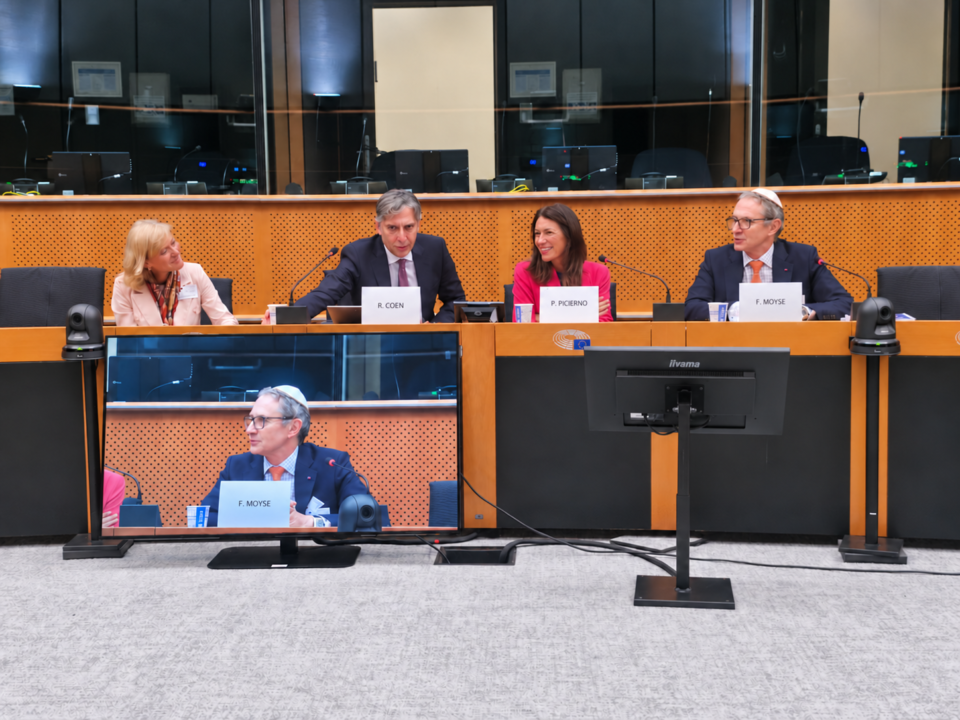
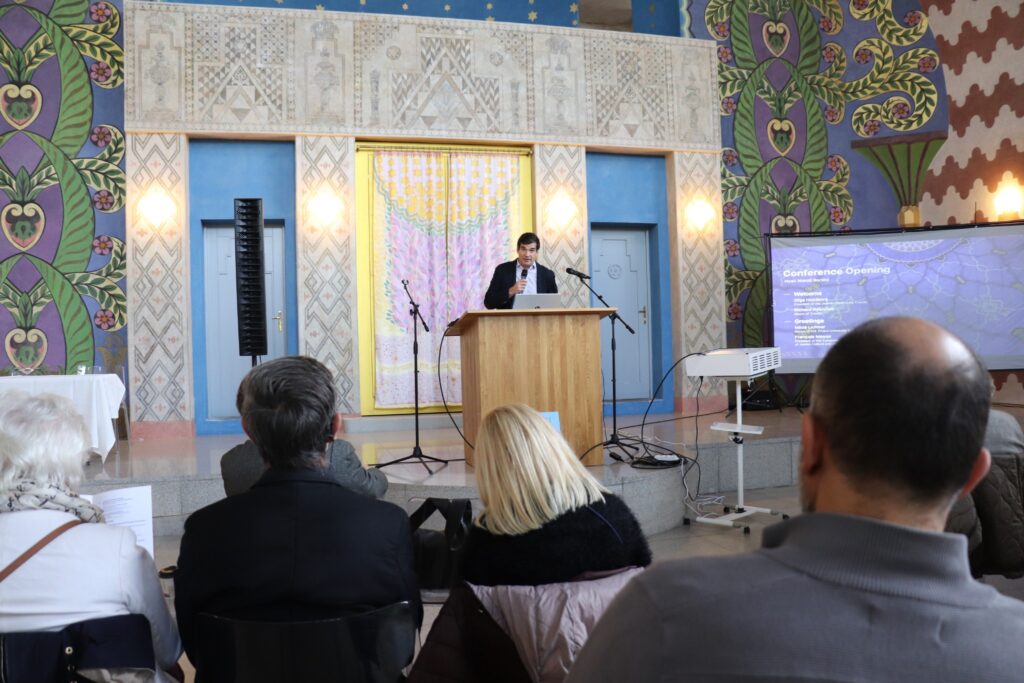
For the first time, the Incubator closed with an international conference open to other stakeholders from the cultural routes and heritage fields. “European Cultural Routes and Their Role in Local Heritage Development” was held at the Trenčín Synagogue as part of the official programme of Trenčín 2026 – European Capital of Culture.
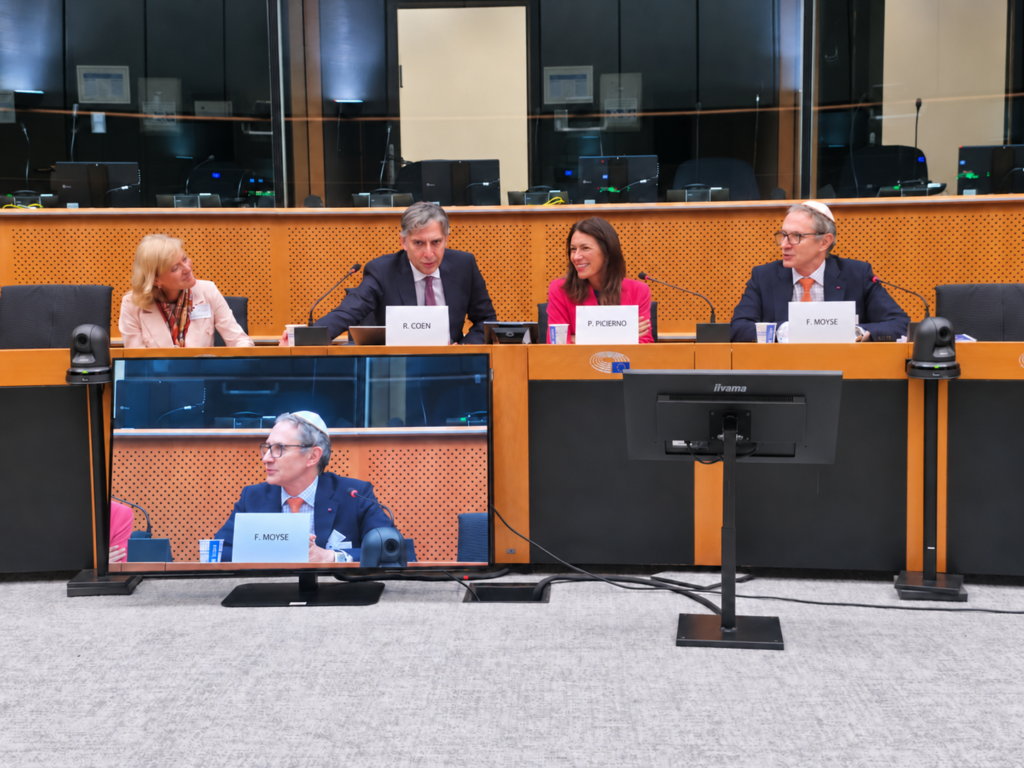
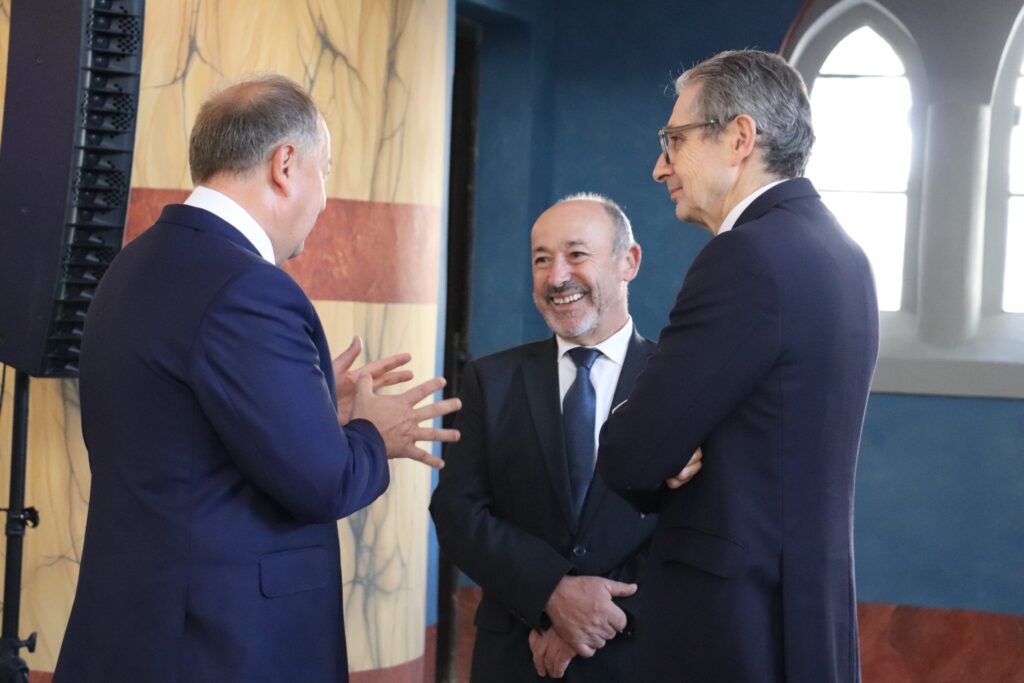
Hosted by Maroš Borský, the conference opened with greetings from Olga Hodálová, President of the Jewish Community of Trenčín; Richard Rybníček, Mayor of Trenčín; Miloš Lichner, Rector of the University of Trnava; and François Moyse, President of the AEPJ.
In their welcome addresses, the speakers highlighted Jewish heritage as a valuable resource for intercultural and interreligious dialogue, a message that set the tone for a conference attended by more than 50 people.
The first session, “Connecting Europe Through Cultural Routes”, moderated by Victor Sorenssen, set the European framework. Rui Gomes, Executive Secretary of the Enlarged Partial Agreement on Cultural Routes of the Council of Europe and Director of the European Institute of Cultural Routes, spoke about localising European cultural identity and heritage, while Alessia Mariotti (CAST-UNIBO) addressed cultural routes as drivers of tourism and local development.
The second session, “Jewish Heritage Routes: European and Local Perspectives”, brought the discussion closer to the ERJH network: Marc Francesch Camps presented the European Routes of Jewish Heritage, and Maroš Borský introduced the Slovak Jewish Heritage Route under the title Embracing the Past, Shaping the Future.
In the afternoon, “Heritage Conservation and European Recognition”, hosted by Tomáš Michalík of the Trenčín Museum, opened with Branislav Rezník of the Monuments Board of the Slovak Republic presenting Pro Monumenta, Slovakia’s award-winning public programme for the preventive maintenance of heritage. It was followed by a panel on the European Heritage Label with Tomáš Michalík, Zsuzsanna Toronyi (Hungarian Jewish Museum and Archives, Budapest) and Delphine Yagüe (Public Interest Consortium Rashi, Troyes), sharing their experience of the recent labels awarded to Trenčín Castle and to “Rashi of Troyes, European place of remembrance”.
The final session, “Religious Heritage in the Post-Secular Society”, looked at how other routes engage local communities with religious heritage. David Raška presented the Gothic Route in Slovakia, and Hans Morten Løvrød the Saint Olav Ways, the pilgrim paths to Trondheim. The conference concluded with a visit to Trenčín Castle, led by Tomáš Michalík.
A shared asset for local communities
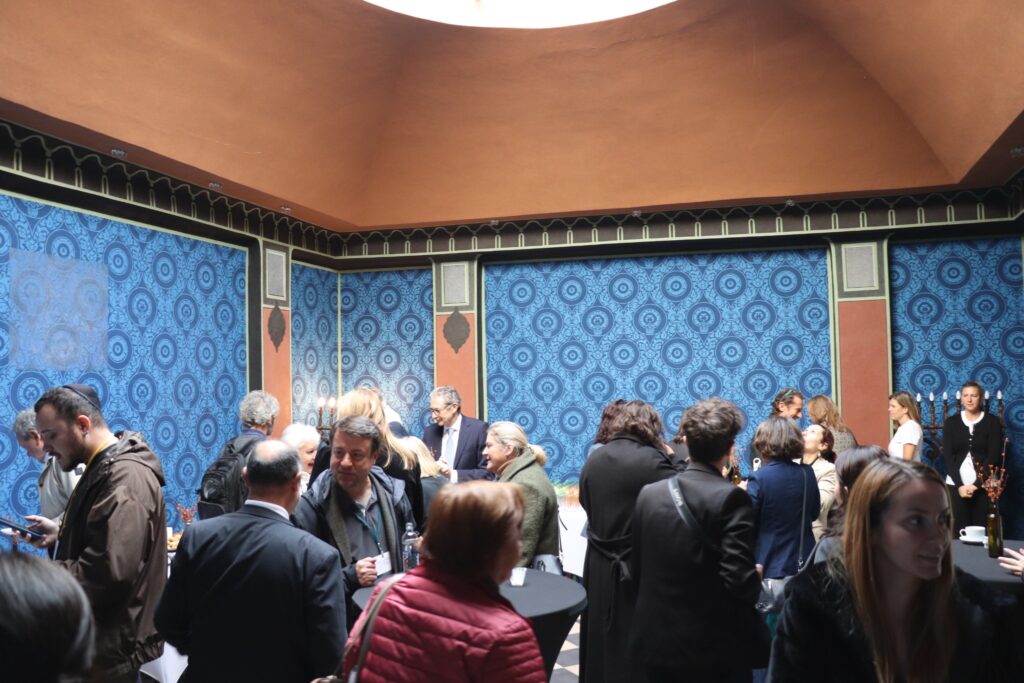
Over three days, the Incubator combined training, field visits and an international conference to address a question at the heart of the Council of Europe’s Cultural Routes programme and the Faro Convention: how heritage can be recognised and cared for as a shared asset that contributes to the life of the places where it is found. The experience of the Slovak Jewish Heritage Route, and of the other Cultural Routes present in Trenčín, offered participants concrete examples of how Jewish heritage can be embedded in local development.
The European Routes of Jewish Heritage Incubator 2026 is organised in cooperation with the Jewish Heritage Foundation – Menorah, the coordinator of the Slovak Jewish Heritage Route, and has been supported by the Trnava Regional Tourism Board, with additional support from the Jewish Community of Bratislava, the University of Trnava and the Jewish Community of Trenčín.
The 21 October conference is an event of the European Capital of Culture Trenčín 2026, financially supported by the City of Trenčín, the Trenčín Self-Governing Region, the Ministry of Culture of the Slovak Republic and the European Union.