CERV EQUAL 2025 Funded Projects Kick Off in Brussels
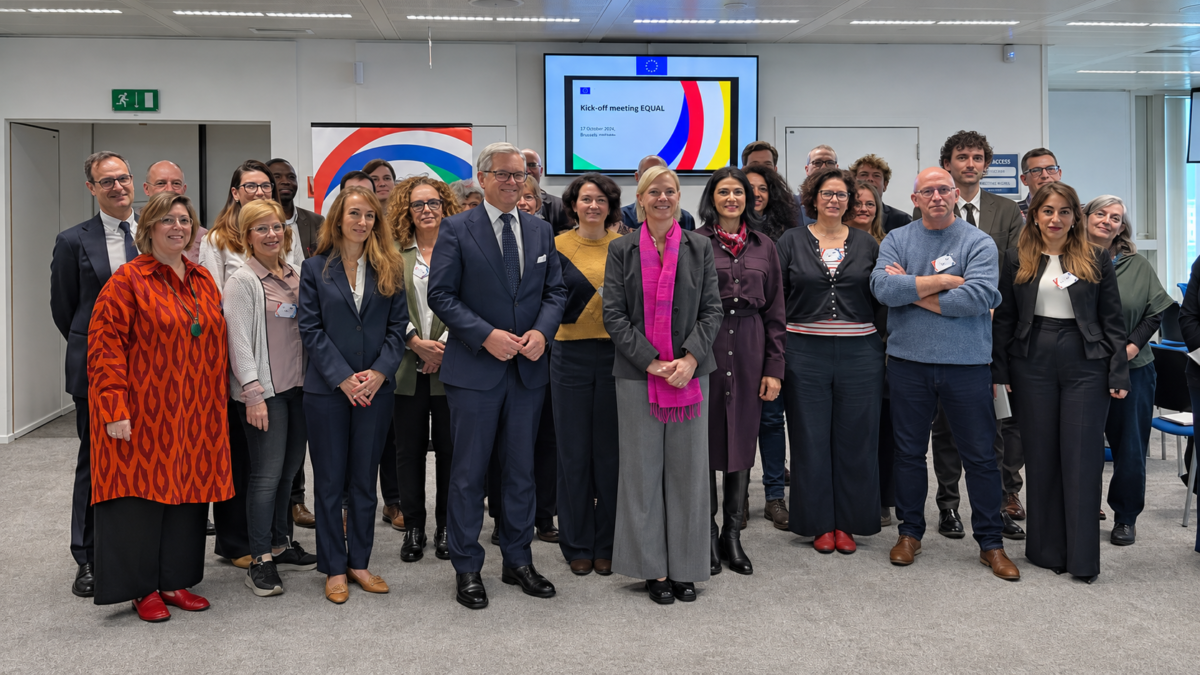
Brussels, 22 October 2026 – The European Association for the Preservation and Promotion of Jewish Culture and Heritage (AEPJ) took part in the kick-off meeting for projects selected under the EQUAL 2025 call. Organised by the European Education and Culture Executive Agency (EACEA), the meeting brought together in Brussels the organisations leading projects funded by the European Commission’s Citizens, Equality, Rights and Values (CERV) programme under its Equality, Rights and Gender Equality strand. The meeting was aimed at the coordinators of all funded projects by the CERV-EQUAL 2025, including AEPJ, which leads MiDorLeDor Europe Toolbox (MDLDE_TLBX).
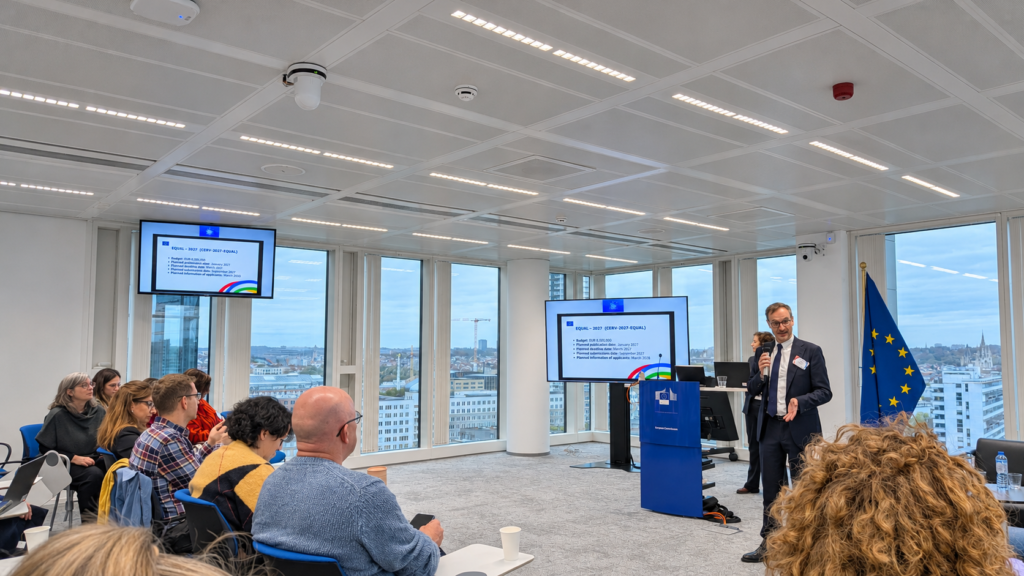
A day with senior EU representatives
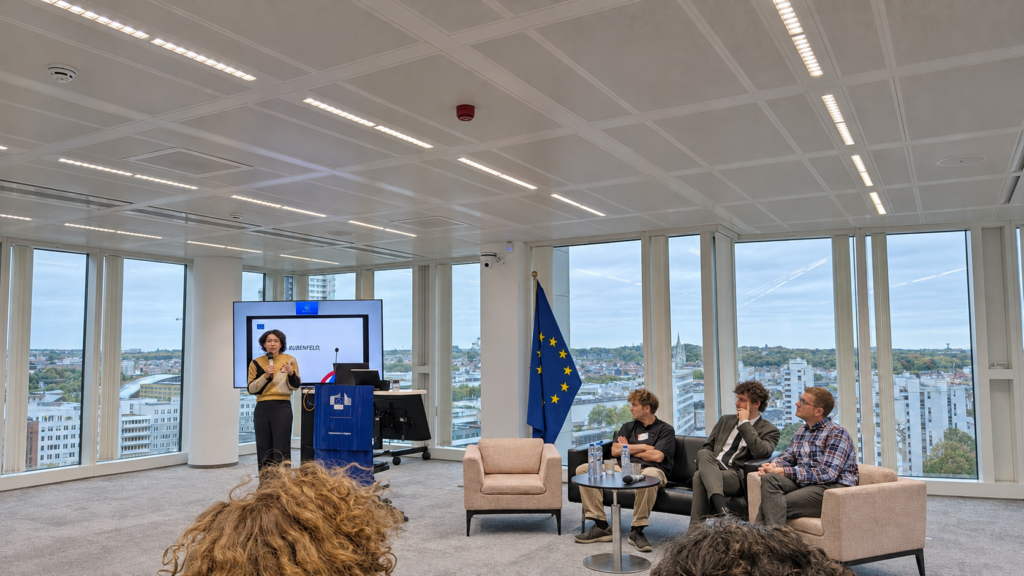
The meeting was held at the European Commission’s premises. Katerina Xethali, Head of Sector at EACEA, opened the day, and Call Coordinator Marco Sioli presented the results of the 2025 call.
Opening remarks were delivered by Sophie Beernaerts, Director of EACEA; Magnus Brunner, European Commissioner for Internal Affairs and Migration; and Nacira Boulehouat, Director for Democracy, Security and Technological Innovation at the Commission’s Secretariat-General.
The programme included two parallel sessions on the main policy initiatives linked to EQUAL 2025: antisemitism, with Pascale Falek, Policy Officer in the Office of the EU Coordinator on combating antisemitism and fostering Jewish life, and anti-Muslim hatred, with Marion Lalisse, EU Coordinator on combating anti-Muslim hatred.
In the afternoon, Elena Pedone and Nicolas Terlinden of EACEA covered several aspects of grant management, and the day closed with a networking exercise among the participating organisations.
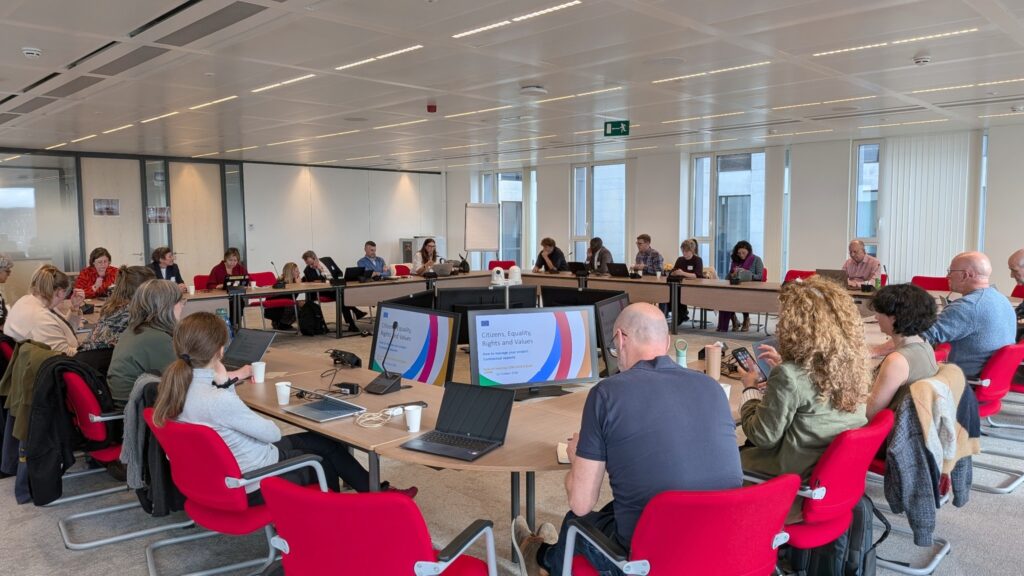
AEPJ leads the MDLDE_TLBX project
For AEPJ, the Brussels meeting marks the formal start of the project’s work with EACEA.
The project will design the MiDorLeDor Europe Toolbox, a set of guidelines and resources, and run a train-the-trainers programme coordinated by the Taube Center for Jewish Life & Learning, Centropa and the Fondazione per i Beni Culturali Ebraici in Italia (FBCEI). The trainers will go on to lead regional programmes in Bosnia and Herzegovina, Italy, Moldova, Poland, Spain and Ukraine, as well as transnational seminars for secondary-school teachers, cultural route managers and museum educators. Participants will then design cultural and educational experiences based on the MDLDE methodology and run them as pilot actions during the European Days of Jewish Culture or the European Heritage Days. The best examples will be presented at an online seminar and published on the project website.